
Aroma
Eucalyptus
Sharp, camphor-fresh from the Australian bush: the winter morning scent. Traditionally paired with Focus and Clarity when the attention needs to sharpen.
Shop Eucalyptus
- Agnes + Cat Essential Oil Blend, Great Gable, Eucalyptus, Ravensara & Corn Mint
 United Kingdom£5.95Low stock

 United Kingdom
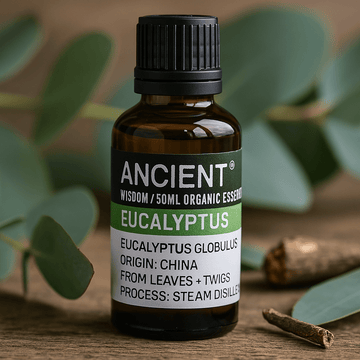
 China
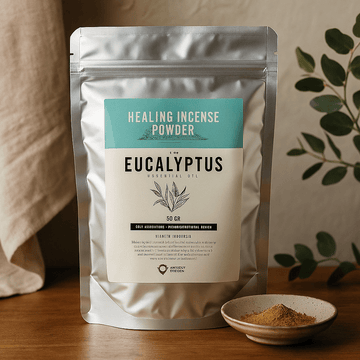


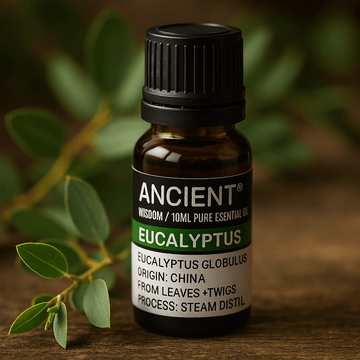

 India


 Brazil
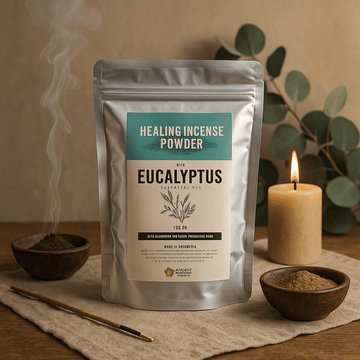

 Peru

 Spain

Eucalyptus belongs to a genus of some 700 species, nearly all of them Australian. Eucalyptus globulus, the Tasmanian blue gum, is the one most commonly distilled for essential oil. The leaves are steam-distilled, a process that captures the volatile compounds the tree evolved to protect itself with: sharp, antibacterial, unapologetic.
The scent opens bright and mentholated, almost medicinal in its clarity. There is no softness in it. It hits the top of the nose and stays there, clearing space rather than filling it. After twenty minutes the sharpness settles into something greener, more herbal, with a faint resinous warmth underneath. It is the smell of a forest after rain, when the oils have been released into cold air.
Australian Aboriginal peoples used eucalyptus in traditional remedies for centuries before the plant reached European apothecaries in the late eighteenth century. By the nineteenth it had travelled widely enough to appear in fever blends and chest rubs across the continent. The tradition holds it as a scent for the body's edges: tired limbs, heavy air, the fog before waking.
In our catalogue's language, eucalyptus is winter's morning oil. It belongs to the season of short days and the hour when the light is still thin: the work before the warmth arrives. The tradition pairs it with Focus and Clarity, not the quiet focus of a settled evening, but the kind that needs a sharp start. The kind that asks the air to be different before the work can begin.
The practice the tradition suggests is unhurried but deliberate: open the window, place a drop or two in a diffuser in the room you'll be working in, and let the room change gear before you do. The coolness in the air marks the shift. By the time you sit down, the space has already done some of the preparation.
Below: eucalyptus as essential oil, candles, soaps and balms, the whole bright, sharp end of the shelf.