
Aroma
Ylang Ylang
From Cananga odorata, the tropical 'rare flower' of Southeast Asia: intensely sweet, creamy, slightly banana-warm. Summer's evening bloom.
Shop Ylang Ylang

 Croatia
 United Kingdom

 Italy
Italy

 India
India

 Comoros

 China
China
Ylang ylang begins as Cananga odorata: a tropical tree native to the Philippines, Indonesia and the Malay Archipelago. The name arrives from the Tagalog word ilang-ilang, meaning uncommon or rare, and the flower earns every syllable of it.
The scent opens intense and immediate: sweet, heady, almost banana-warm with creamy, tropical undertones. It does not arrive quietly. Within a few minutes it softens, settling into something richer and more honeyed, the version you smell on skin an hour later is a quieter, more velvety creature than the one that greeted you at the bottle.
Java and the Philippines have used ylang ylang to perfume hair and linens for centuries. European perfumery adopted it in the nineteenth century, and it has since become one of the most recognised florals in the world: present in Chanel No. 5 and hundreds of fragrances since.
The tradition files it firmly under summer evenings: the heat of the day has passed, the pace drops, the scent holds in warm air. It keeps company with Love and Romance on the intention shelf, and with Calm and Joy in the mood register, though its particular gift is the way these overlap, a warmth that steadies as it lifts.
The suggestion from the tradition is unhurried: a few drops in a diffuser at the same hour, an open bottle held close while you name one plain intention for the evening, and let the repetition build the association over time. Ylang ylang is not a scent for rushing.
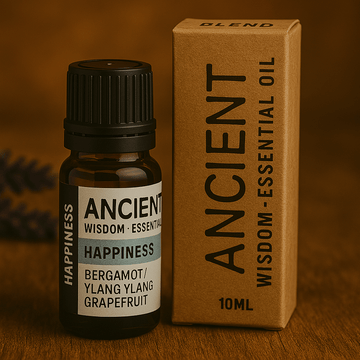
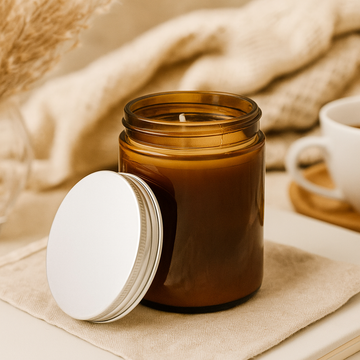
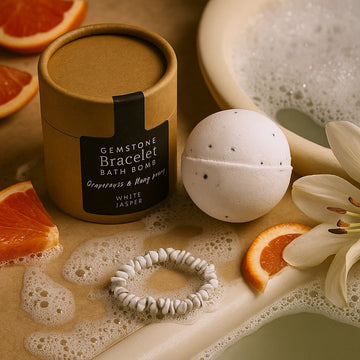
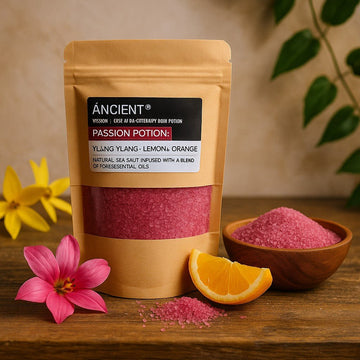
Below: the catalogue's ylang ylang in essential oil, candle and bath form, ready for the summer evening shelf.