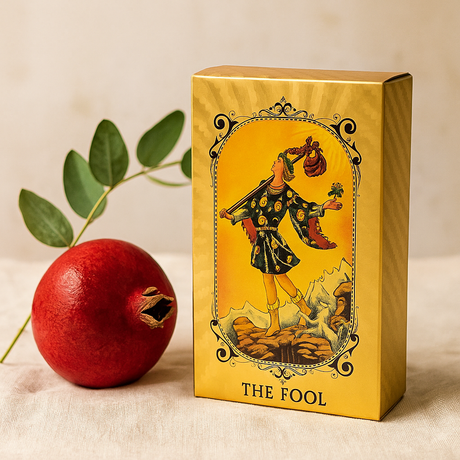
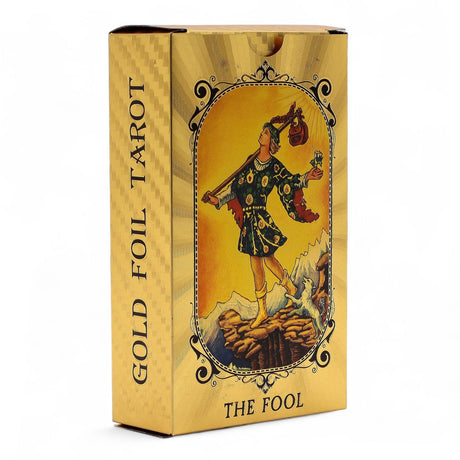
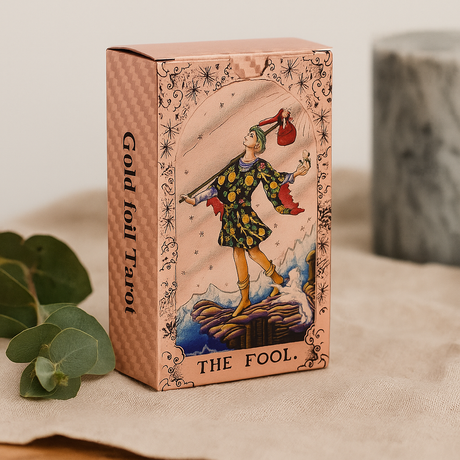
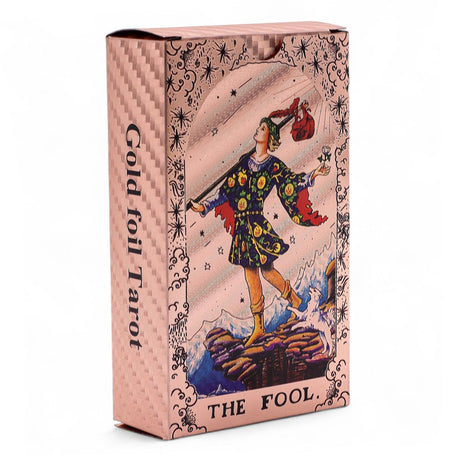
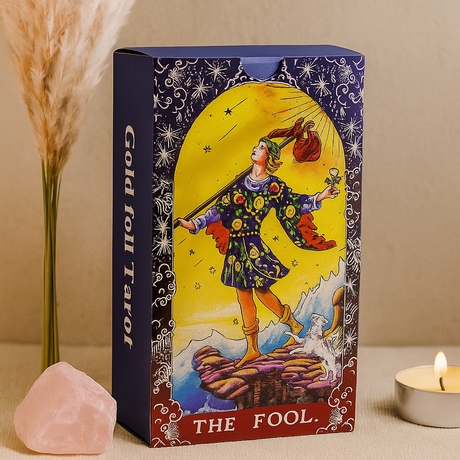
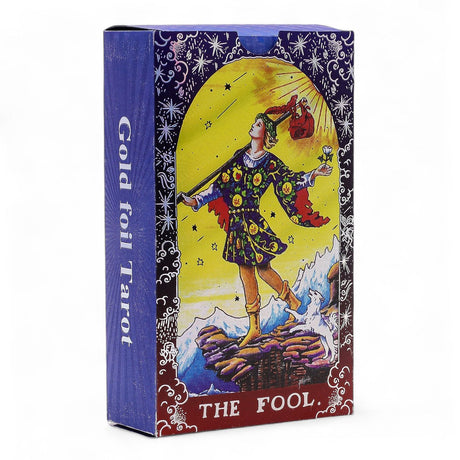
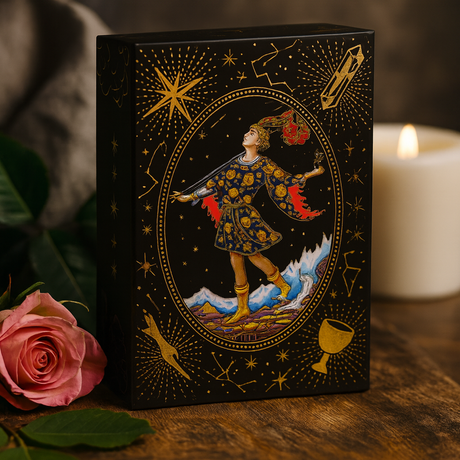
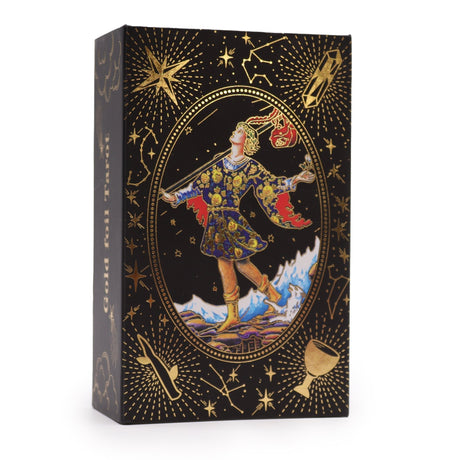
There is a particular quiet that settles over a table when a deck comes out. The phone goes face down. The tea is still warm. You shuffle, you draw, and for a few minutes the only question that matters is the one in front of you. Tarot and Oracle cards both belong to that quiet — yet they ask you to sit with it in different ways. This is a look at how each supports reflection, self-awareness, and intuition, and how to choose the deck that suits the way you like to think.
Neither deck decides anything for you. Both are tools for looking honestly at where you are. If you are still gathering your first tarot and oracle decks, the difference between the two systems is the best place to begin.
Tarot: the detailed navigator
A Tarot deck holds 78 cards, and it reads a little like a guidebook to the textures of a life. The 22 Major Arcana mark the larger themes; the 56 Minor Arcana fill in the everyday detail. Each card carries its own symbolism, which is what makes Tarot well suited to a specific question or a knot you are trying to think through.
The structure is the point. Laid out in a spread, the cards sit in relation to one another, and meaning gathers across the layout rather than in any single card. Draw the Hierophant in a spread about work, for instance, and it might invite you to consider tradition, study, or the value of learning from someone further along the path — a prompt to reflect on, never a verdict.
Why Tarot? Tarot offers a detailed, layered way to look at a complicated situation. It can surface different ways a moment might unfold given the choices in front of you, which helps when you want to think a decision through properly rather than rush it. The depth is the draw: it gives you room to notice what you had not quite admitted to yourself.
Oracle: the intuitive companion
Oracle cards keep none of that fixed structure. There is no set number of cards and no universal system of meanings — each deck is its own small world. That openness is exactly what makes them feel so immediate. They offer personalised insights drawn from the image and the words in front of you, which suits a daily draw or a broader life theme just as well as a single pressing question.
Say a card named "Healing" turns up during a season of change. There is no rulebook to consult; you simply read what the card stirs in you and let it settle. The freedom of an Oracle deck makes the reading spontaneous and personal — closer to a conversation than a study.
Why Oracle? Oracle cards are at their best offering an overarching sense of direction and a little encouragement. They tend toward personal growth and intuition rather than fine detail, which makes them a gentle way to check in with yourself and notice where your attention wants to go.
Core differences between Oracle and Tarot cards
Set the two side by side and a handful of differences come into focus.
Structured versus free-form
Tarot follows a fixed framework — defined cards, established symbolism, a long tradition behind every image. Oracle decks are fluid, with no set count and no shared meanings, which invites a more personal reading where you interpret each card through your own experience.
Reflective in different registers
Tarot is traditionally read across past, present and possible directions — used as a structured way to reflect on how today's choices shape what comes next. Oracle cards lean toward inspiration, personal insight and immediate guidance, encouraging you to sit with how you feel and what you already know. Neither tells the future; both hand the thinking back to you.
Complexity versus simplicity
Tarot readings can run to involved spreads and a deep grasp of symbolic meaning, which makes them richer but slower to master. Oracle cards are simpler and more accessible — ideal for a quick reflection or a daily pause, without much study or preparation.
Learning curve
Tarot asks for time and patience to learn its symbolism and its various spreads, and rewards those who stay with it. Oracle cards are more intuitive from the first draw, which makes them welcoming for beginners or for anyone who finds the depth of Tarot a little daunting.
Thematic range
Tarot decks share a fairly consistent visual language, with Renaissance-era Italian roots and a modern symbolic form popularised by the early-twentieth-century Rider–Waite–Smith deck. That continuity gives Tarot its sense of tradition. Oracle decks, by contrast, arrive in countless themes — angels, animals, moon phases, the elements — so you can choose one that genuinely speaks to you.
Using both together
You do not have to pick a side. Many readers keep both and let each do what it does best. A simple way in: draw a single Oracle card first to name the overarching theme — the mood or the weather of the moment — then turn to a Tarot spread for the detail underneath it. The Oracle sets the tone; the Tarot reads the map. Start small. One Oracle card and a three-card Tarot line is plenty before you build toward anything larger.
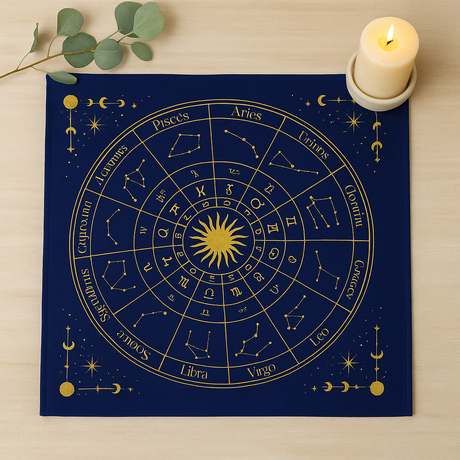
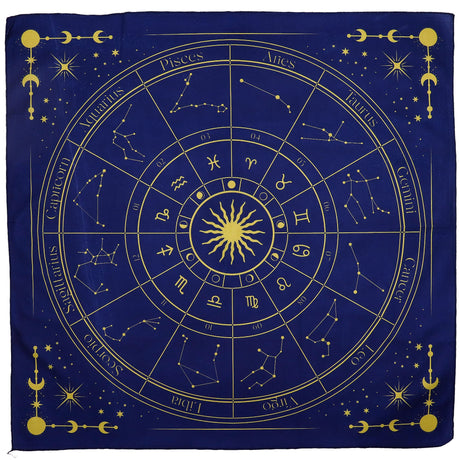
A little ritual helps the practice feel deliberate. Some readers keep the cards rested on an altar cloth, or wrapped between sessions in a tarot box or a length of cloth to keep the deck settled and the corners from wearing. None of this is required — think of it as a way of marking the moment as yours rather than idle.
Building your toolkit
Whether you lean toward the structured depth of Tarot or the intuitive ease of Oracle cards, each is simply a way to sit with a question more honestly. The cards do not decide your path; they give you a prompt and hand the choice back to you. Used that way, the two complement one another beautifully.
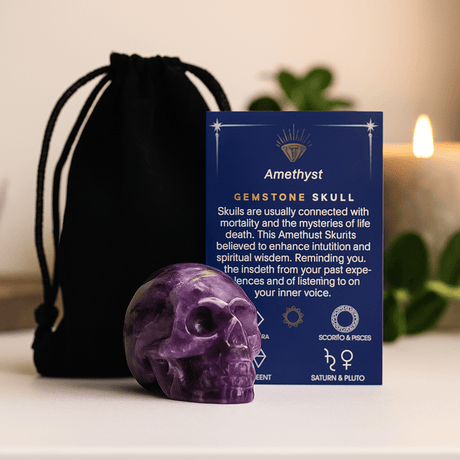
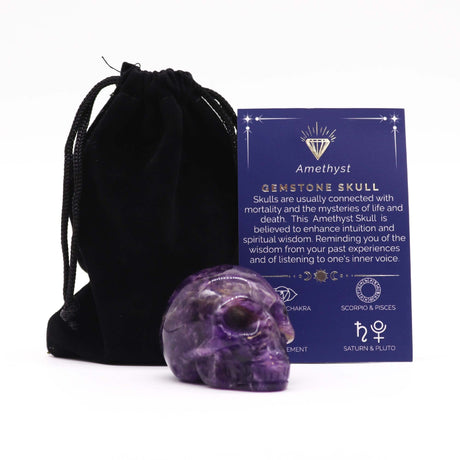
If you want to set a little space around the practice, the additions are small and entirely optional: a candle lit to mark the start, a pendulum for yes-no questions, a journal to note what each card raised so the patterns surface over time, or a stone to keep beside your deck as a quiet focus. These are companions to the practice, not requirements — and for anyone curious to wander further, they open onto the broader world of spiritual tools. Let your own intuition choose the deck. The right one is usually the one whose artwork you genuinely want to sit with.