30 Most Powerful Esoteric Symbols 🧿

By Alex Pervov · 6 February 2024 · 14 min read

30 Most Powerful Esoteric Symbols 🧿 - SHAMTAM

Some marks have followed us for thousands of years. A looped cross scratched into a temple wall. A five-pointed star. A wheel, a lotus, an eye. They turn up across cultures that never met, drawn by people trying to hold a large idea — life, balance, protection, renewal — in a shape small enough to carry.

This is a quiet walk through twenty-nine of them. Not a ranking, and not a promise: a symbol does not act on the world by itself. What it does is hold a note. You choose one, you keep it close, and it becomes a reminder of an intention you have named. The work stays with you. Read these as cultural and historical context — lenses for reflection — and see which ones speak to you, each a beacon of wisdom carried down through time.

Infographic of 30 powerful esoteric symbols and their meanings across cultures

Infographic design by DealsDaddy, a voucher-code website.

1. Ankh (Egyptian Symbol of Life)

The Ankh — a cross with a loop at the top — is one of the oldest Egyptian symbols of life and eternity. It appears in tomb paintings and temple carvings, held in the hands of gods as a sign of the breath of life itself. More than five thousand years on, the shape still reads clearly.

Today it adorns jewellery and art, worn less as decoration than as a small daily reminder of vitality and continuity. The Ankh reminds us of our connection to the past and to the life force people have always tried to name.

Ankh, the ancient Egyptian symbol of life, on a mystical golden background

2. Pentagram (Five-Pointed Star)

The Pentagram — a five-pointed star, often drawn within a circle — has roots in ancient Mesopotamia, later adopted by the Pythagoreans in Greece, who read mathematical and philosophical meaning into its proportions. In many later traditions its points stand for the four elements of earth, air, fire and water, crowned by spirit.

In modern Wiccan and pagan practice it is widely recognised as a symbol of faith and the natural order. It is traditionally worn or kept as a sign of protection — a focus for the wearer's intention rather than a force acting on its own.

Pentagram, the five-pointed star, ringed by the four elements and spirit

3. Yin Yang (Taoist Symbol of Balance)

The Yin Yang holds two halves in one circle — light and dark, soft and firm, each carrying a seed of the other. It speaks to the way seemingly opposite forces are bound together and depend on one another.

The concept of yin and yang is ancient, rooted in early Chinese thought; the familiar circular symbol we know today was formalised much later, around the eleventh century. Its calm endures in modern mindfulness and contemplative practice, guiding individuals towards balance in life — the reminder that wholeness includes its opposite.

Yin Yang, the Taoist symbol of balance, set in a serene flowing landscape

4. Flower of Life (Sacred Geometry)

The Flower of Life is a pattern of evenly spaced, overlapping circles that fold into a flower-like grid. It turns up across many cultures as a way of picturing how everything connects — a visual shorthand for life unfolding from a single point.

The motif appears at the Temple of Osiris in Abydos, Egypt, though its exact age there is debated. In contemporary practice it is often used as a focus for meditation. Many feel this sacred pattern is a blueprint of creation — a quiet geometry to rest the eye and the mind upon.

Flower of Life sacred geometry pattern of overlapping circles on a cosmic ground

5. Ouroboros (The Eternal Cycle)

The Ouroboros — a serpent devouring its own tail — comes down to us from Egyptian and Greek traditions as an image of the eternal cycle. End meets beginning; nothing is finally lost, only turned again.

It appears often in alchemical texts, where it stands for the round of life and death and for transformation that never truly stops. As a symbol it invites a long view: that endings and beginnings are the same edge, seen from different sides.

Ouroboros, a serpent devouring its tail, symbolising the eternal cycle of renewal

6. Eye of Horus (Protection and Insight)

The Eye of Horus has its origins in ancient Egypt, where it was associated with protection, royal power and wellbeing. In myth the eye is wounded and made whole again, which is partly why it came to stand for restoration as well as watchfulness.

Today it is often kept as a protective talisman for protection and insight, a thread between ancient belief and modern life. It is traditionally worn as a symbol of protection — held alongside the wearer's own attention, not in place of it.

Eye of Horus, the ancient Egyptian symbol of protection and good health

7. Om (Sacred Sound of the Universe)

Om is a sacred syllable in Hinduism, Buddhism and Jainism — often described as the sound of creation, the vibration underlying everything. Its roots trace back to ancient India, where it opens and closes prayer and recitation.

In meditation and yoga, chanting Om connects practitioners to a higher consciousness and to a sense of the whole. Spoken slowly, it is less a word than a settling — a way to gather attention before practice begins.

Om symbol, the sacred sound of the universe, on a backdrop of cosmic harmony

8. Tree of Life (Interconnection of All Life)

The Tree of Life appears in many cultures and faiths, picturing how earth, the spirit world and the heavens are bound together. Roots below, branches above, one trunk between — it makes the idea of connection something you can see.

Modern spiritual practice often returns to it as a way to reflect on how the physical and the unseen relate. However you read it, the Tree of Life reminds us of our universal connection — that nothing grows entirely alone.

Tree of Life symbol representing the interconnectedness of all living things

9. Triquetra (Celtic Knot of Continuity)

The Triquetra, or Trinity Knot, comes from Celtic and Norse art — three interlaced arcs with no clear beginning or end. It speaks of continuity and of things bound together in threes.

Both Christian and pagan traditions have read their own triads into it: mind, body and soul; earth, sea and sky. Today it adorns jewellery and art as a sign of unbroken, cyclical life and the interweaving of what seems separate.

Triquetra Celtic trinity knot symbolising continuity and the cycle of life

10. Hexagram (Star of David)

The Hexagram, known as the Star of David in Judaism, is formed of two interlocking triangles. It is most strongly associated with Jewish identity and faith, though six-pointed stars appear in many older contexts too.

One traditional reading sees the upward and downward triangles as the meeting of opposites — fire and water, the heavenly and the earthly. In that sense it is often described as a bridge between realms, the physical and the spiritual held in one shape.

Hexagram, the six-pointed Star of David, joining the divine and earthly realms

11. Mandala (Cosmic Diagram)

Mandalas come from Hindu and Buddhist traditions — intricate, symmetrical designs that picture the universe and the self radiating from a centre. The eye is drawn inward, ring by ring, towards the still point.

They are widely used as meditation tools, the symmetry helping to settle a busy mind. Today they also appear in art therapy and quiet creative practice — a way to slow down and look closely at one thing.

Vibrant symmetrical mandala used as a meditation tool in Hindu and Buddhist traditions

12. Swastika (Symbol of Auspiciousness)

Long before the twentieth century, the swastika was — and in many places still is — a symbol of good fortune in Hinduism, Buddhism and Jainism. It stands for the sun, prosperity and the turning cycle of life, and appears in temples, doorways and festival art across Asia.

Its appropriation by the Nazi regime was a violation of that meaning, not its origin. We name both honestly here: the older, peaceful sense is the true one, and it is the only sense we celebrate. Context is the only respectful way to write about a symbol with two such different histories.

Ancient swastika, a Hindu, Buddhist and Jain symbol of auspiciousness and good fortune

13. Caduceus (Commerce and Communication)

The Caduceus — two snakes wound around a winged staff — belongs to Hermes in Greek myth, the messenger god of commerce, eloquence and negotiation. It is a symbol of exchange and of balancing opposing forces to reach agreement.

It is often mistaken for a medical emblem, but the true symbol of medicine is the single-snake Rod of Asclepius. Worth knowing the difference: read rightly, the Caduceus speaks to communication and the careful meeting of two sides, not to healing.

Caduceus, twin serpents around a winged staff, an ancient symbol of balance and exchange

14. Phoenix (Rebirth and Renewal)

The Phoenix, the mythical bird that rises from its own ashes, appears in Greek, Egyptian and Chinese traditions as an image of rebirth and resilience. What burns away is also what begins again.

It speaks to the experience of coming through a hard season and finding something renewed on the other side. As a symbol it carries hope without denying the fire — rising is part of the story, but so is the ash.

Phoenix rising from its ashes, a symbol of rebirth, renewal and resilience

15. Alchemy Symbols (Transformation)

The symbols of medieval alchemy describe, on the surface, the turning of base metals into gold. Read more deeply, they were always about inner change too — the slow purification of the self, gold standing in for wisdom.

Rich with history, these marks still draw people interested in transformation as a practice rather than a single event. They frame growth as patient work — heat, dissolve, refine, repeat — a metaphor that outlasted the laboratory.

Collection of medieval alchemy symbols representing transformation and inner purification

16. Vesica Piscis (Sacred Geometry of Creation)

The Vesica Piscis is formed where two circles of equal size overlap, their centres each touching the other's edge. The almond shape between them has long been read as a symbol of creation — the meeting of two worlds, physical and spiritual.

It is a foundational figure in sacred geometry, often described as the birth of light, form and consciousness from union. In contemporary practice it stands for unity and possibility: from two, something new is made.

Vesica Piscis sacred geometry formed by two intersecting circles, symbol of creation

17. Labyrinth (Journey and Spiritual Growth)

A labyrinth is not a maze — there are no wrong turns. It is a single winding path that always leads to the centre and back out again, an image of life's journey and of pilgrimage.

Found in ancient cultures and in the floors of old cathedrals, it is still walked today as a moving meditation. Step by step, the path does the thinking for you; you simply follow it inward and out, and let the mind quiet.

Single-path labyrinth in a tranquil garden, a symbol of life's journey and reflection

18. Triskelion (Progress and Personal Growth)

The Triskelion — three interlocked spirals turning from a shared centre — is an ancient sign of movement and progress. Its roots reach back to the Neolithic era, and it became prominent in Celtic culture.

The threefold spin suggests forward motion: cycles of growth that move on rather than simply repeat. For many it is a quiet encouragement to keep going — to treat change as a direction, not a disruption.

Triskelion of three interlocked spirals, an ancient Celtic symbol of progress and growth

the social deck

Seen on the feed

30 Most Powerful Esoteric Symbols 🧿
Infographic of 30 powerful esoteric symbols and their meanings across cultures
Ankh, the ancient Egyptian symbol of life, on a mystical golden background
Pentagram, the five-pointed star, ringed by the four elements and spirit
Yin Yang, the Taoist symbol of balance, set in a serene flowing landscape
Flower of Life sacred geometry pattern of overlapping circles on a cosmic ground
Ouroboros, a serpent devouring its tail, symbolising the eternal cycle of renewal
Eye of Horus, the ancient Egyptian symbol of protection and good health
Om symbol, the sacred sound of the universe, on a backdrop of cosmic harmony
Tree of Life symbol representing the interconnectedness of all living things
Triquetra Celtic trinity knot symbolising continuity and the cycle of life
Hexagram, the six-pointed Star of David, joining the divine and earthly realms
Vibrant symmetrical mandala used as a meditation tool in Hindu and Buddhist traditions
Ancient swastika, a Hindu, Buddhist and Jain symbol of auspiciousness and good fortune
Caduceus, twin serpents around a winged staff, an ancient symbol of balance and exchange
Phoenix rising from its ashes, a symbol of rebirth, renewal and resilience
Collection of medieval alchemy symbols representing transformation and inner purification
Vesica Piscis sacred geometry formed by two intersecting circles, symbol of creation
Single-path labyrinth in a tranquil garden, a symbol of life's journey and reflection
Triskelion of three interlocked spirals, an ancient Celtic symbol of progress and growth
Hamsa, the palm-shaped amulet, a traditional symbol of protection against the evil eye
Lotus flower rising from still water, an Eastern symbol of purity and enlightenment
Human silhouette with the seven chakras aligned along the central axis on a cosmic ground
Dharmachakra, the Buddhist Wheel of Dharma, symbolising the path to enlightenment
Spiral, a universal symbol of growth, evolution and the continuous cycle of life
Arcane sigils, magical symbols designed to focus specific intentions
MerKaBa, the vehicle of light, two counter-rotating fields symbolising spiritual ascension
The Horned God, a pagan symbol of nature's fertility and the cycle of life
Triple Goddess symbol of maiden, mother and crone aligned with the moon's phases
Nazar, the blue eye-shaped amulet believed to protect against the evil eye
The cross as a universal symbol of the meeting point between heaven and earth

19. Hamsa (Protection Against the Evil Eye)

The Hamsa is a palm-shaped amulet from the Middle East and North Africa, often called the hand of protection. Across faiths it has been kept as a sign of safety, good fortune and blessing, frequently set with an eye at its centre.

It is traditionally believed to turn aside the evil eye, and today it appears widely in jewellery and home pieces. Worn or hung by a doorway, it serves as a focus for care and attention — a symbol of protection, not a guarantee against it.

Hamsa, the palm-shaped amulet, a traditional symbol of protection against the evil eye

20. The Lotus (Purity and Enlightenment)

In Eastern traditions the Lotus stands for purity and awakening. It roots in mud, rises through dark water and opens clean at the surface — an image of the soul moving from confusion towards clarity.

That journey from murk to bloom is the whole of its meaning. The Lotus is a gentle reminder that difficult ground is not the end of the story; it is, often, where the rising begins.

Lotus flower rising from still water, an Eastern symbol of purity and enlightenment

21. The Chakras (Energy Centres of the Body)

The chakras are the seven energy centres within the human body, each linked in tradition to particular emotional and spiritual qualities. The framework comes from ancient Indian philosophy and maps a path of energy from the base of the spine to the crown.

Practices like yoga and meditation use the chakras as a framework for balance and self-awareness — a way to notice where you feel tense, open or scattered. Many people enjoy balancing these chakras for health and harmony, treating the system as a lens for reflection rather than a fixed prescription.

Human silhouette with the seven chakras aligned along the central axis on a cosmic ground

22. Dharmachakra (Wheel of Dharma)

The Dharmachakra, or Wheel of Dharma, is a Buddhist symbol of the Buddha's teachings and the path towards enlightenment. Its spokes are often read as the steps of the Eightfold Path.

The turning wheel suggests a way of living that moves beyond endless cycles of grasping and rebirth. As a symbol it points to guidance and direction — the sense that there is a path to follow, and that walking it is the practice.

Dharmachakra, the Buddhist Wheel of Dharma, symbolising the path to enlightenment

23. Spiral (Growth and Evolution)

The Spiral is everywhere in nature — in shells, in galaxies, in the curl of a fern — and in ancient art it stands for growth and the widening of consciousness. It expands from a centre without ever quite returning to where it began.

That shape mirrors how change often feels: not a straight line, but a circling that gains a little ground each time round. The Spiral is a reminder that returning to a familiar place does not mean standing still.

Spiral, a universal symbol of growth, evolution and the continuous cycle of life

24. Sigils (Magical Symbols)

Sigils are symbols made for a single intention — a wish or aim distilled into a mark. The practice is old, but it is alive and well in contemporary witchcraft and personal ritual.

They work, in the tradition, as tools for manifestation: a way of naming what you want clearly enough to carry it with you. Rooted in ancient magic practices, a sigil is really a focusing device — the intention does the work, the symbol keeps the note.

Arcane sigils, magical symbols designed to focus specific intentions

25. MerKaBa (Vehicle of Light)

The word Merkabah has deep roots in Jewish mysticism, where it names the divine chariot of Ezekiel's vision — a mode of approaching the sacred. That is its oldest meaning.

The familiar star-tetrahedron of two counter-rotating fields of light, described as a personal "light body" or vehicle of ascension, is a modern esoteric interpretation rather than an ancient one. Held that way — as a contemporary contemplative image — it offers a striking geometry to reflect upon.

MerKaBa, the vehicle of light, two counter-rotating fields symbolising spiritual ascension

26. The Horned God (Fertility and the Forest)

In Wicca and modern paganism, the Horned God represents the male aspect of nature's fertility — the wild, the woodland, the turning seasons. He is read as a figure of strength and of life's recurring cycle.

His meaning is bound up with birth, death and rebirth as natural rhythms rather than abstractions. As a symbol he points back towards the earth and the body, and the part of us that belongs to the seasons.

The Horned God, a pagan symbol of nature's fertility and the cycle of life

27. The Triple Goddess (Maiden, Mother, Crone)

The Triple Goddess holds three phases of life — maiden, mother and crone — alongside the waxing, full and waning moon. It is a central image in neopaganism, picturing the divine feminine across a whole lifetime.

Each phase carries its own gift: the freshness of beginnings, the fullness of bearing and tending, the wisdom of looking back. As a symbol it honours every stage of a life rather than fixing on one.

Triple Goddess symbol of maiden, mother and crone aligned with the moon's phases

28. Nazar (Protection Against the Evil Eye)

The Nazar is the familiar blue eye-shaped amulet of the Mediterranean and beyond, traditionally believed to turn aside the evil eye — the harm thought to come from an envious glance. You see it on doorways, cradles and key-rings across many cultures.

It is worn or hung as a sign of protection from envy and ill will. Like other amulets in this tradition, it works best understood as a focus for care and watchfulness — a small object that keeps the wearer's intention close.

Nazar, the blue eye-shaped amulet believed to protect against the evil eye

29. The Cross (Spiritual Intersection)

Most strongly associated with Christianity, the cross as a shape predates it, appearing in many cultures as the meeting of two lines — heaven and earth, the vertical and the horizontal. It marks an intersection, a place where realms cross.

Through its long history it has carried meanings of sacrifice, love and redemption. As a universal mark it speaks to the point where the everyday and the sacred touch — a crossing rather than a wall.

The cross as a universal symbol of the meeting point between heaven and earth

Closing thoughts

None of these symbols holds power on its own. What they hold is meaning — the meaning generations of people have poured into a small, repeatable shape so it could be carried, drawn and remembered. Across cultures, that is what they have helped us do: focus attention, mark a moment, and reflect.

So treat them gently. Read where each one comes from, honour the tradition it belongs to, and notice which ones speak to something you are working towards. Then keep one close, set an intention, and let it become part of a small daily ritual. Choose a single symbol to explore, reflect, and integrate their power into your daily life — the work, as ever, stays with you.

good to know

Questions & answers

What does it mean to call a symbol 'powerful'?
The power sits in what the symbol carries for the person using it, not in the lines themselves. A symbol like the Ankh or the Hamsa is a shorthand for an idea — life, protection, balance — that cultures have returned to for centuries. When you choose one and keep it close, it becomes a quiet reminder of an intention you've named. The work stays with you; the symbol holds the note.
Will wearing a protective symbol like the Hamsa or Nazar actually keep me safe?
These symbols come from long traditions of protection — the Hamsa across the Middle East and North Africa, the Nazar across the Mediterranean and beyond. We'd be honest with you: they are not insurance against harm. What they offer is a focal point. Many people find that a small, considered object near the door or at the wrist anchors a sense of care and attention. Treat it as a practice, not a guarantee.
How do I choose which esoteric symbol is right for me?
Start with the intention rather than the look. If you're drawn to renewal, the Phoenix or the Spiral may speak to you; if you want balance, the Yin Yang; if you want grounding, the Tree of Life. Read a little about each one's origins so you understand the tradition you're borrowing from. Then pick the one whose meaning matches the thing you're working towards — and let it become part of a small daily ritual.
Is it respectful to use a symbol from a tradition that isn't mine?
It can be, when it's done with care and context. The symbols here come from many cultures — Egyptian, Celtic, Hindu, Buddhist, Jewish, pagan — and each carries its own history. We share them as cultural and historical context, never as religious instruction. Learn where a symbol comes from, honour its meaning, and avoid using anything sacred to a living tradition as mere decoration. Curiosity with respect is the right starting point.
How can I bring a symbol into everyday life without it feeling like a gimmick?
Keep it small and let it earn its place. A Tree of Life wall hanging by the desk, a Lotus carved into a candle holder, an Om-marked incense burner on the windowsill — the point is the pause it invites, not the object itself. Choose one symbol, set a clear intention, and return to it during the day. A single meaningful piece does more than a shelf of them.
Why is the swastika included when it has such a difficult history?
Because its older story matters too. For thousands of years across Hinduism, Buddhism and Jainism, the symbol meant good fortune and the turning of the cycle of life, and it still does in those traditions. Its twentieth-century appropriation was a violation of that meaning, not its origin. We name both honestly here — context is the only respectful way to write about it — while making clear we celebrate only its original, peaceful sense.
to carry the practice on

Companions for your ritual

SHAMTAM Indian Devotional Pendant - Silver Plated (45cm Cord)- Ankh Symbol of Eternal Life
New arrival
View details
Brass Pentagram Incense Burner With Wood Handle Brass Pentagram Incense Burner With Wood Handle
£3.82 off

Brass Pentagram Incense Burner With Wood Handle

Sale price £2099 Regular price £2481
Low stock
View details
Singing Bowl Set Yin Yang White Purple 14cm - SHAMTAM.COM Singing Bowl Set - Yin & Yang White/Purple 14cm - SHAMTAM.COM
£22.79 off

Singing Bowl Set Yin Yang White Purple 14cm

Sale price £9295 Regular price £11574
In stock
View details
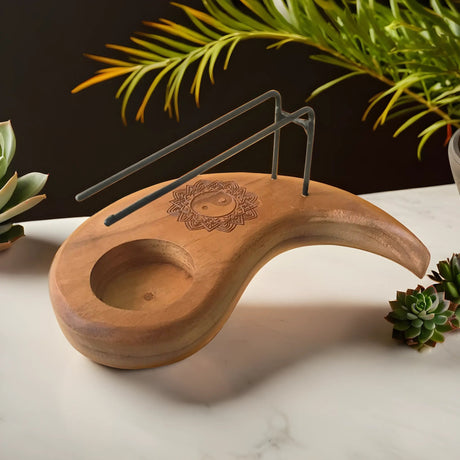
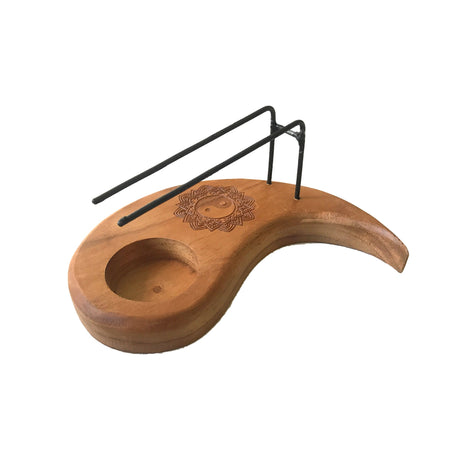
Palo Santo Holder Teardrop - Teak Wood - Yin & Yang Design - SHAMTAM.COM Palo Santo Holder Teardrop - Teak Wood - Yin & Yang Design - SHAMTAM.COM
£4.90 off

Palo Santo Holder Teak Wood Yin Yang Teardrop

Sale price £1895 Regular price £2385
In stock
View details
Essential Oil Diffuser Necklace Flower of Life 25mm - SHAMTAM.COM Aromatherapy Necklace - Flower of Life - Oil Diffuser 25mm - SHAMTAM.COM
£1.94 off

Essential Oil Diffuser Necklace Flower of Life 25mm

Sale price £1699 Regular price £1893
In stock
View details
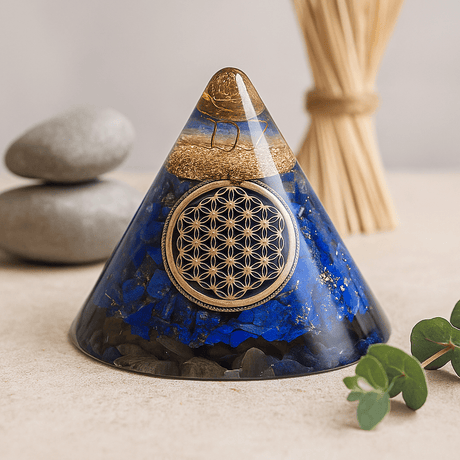
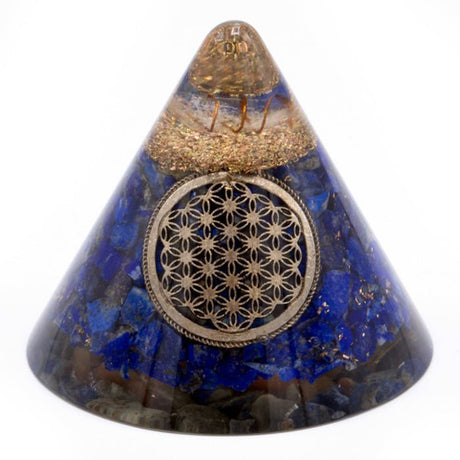
Orgonite Cone Lapis Flower of Life Quartz 90mm - SHAMTAM.COM Orgonite Cone - Lapis Flower of Life - Suspended Quartz - 90 mm - SHAMTAM.COM
£13.56 off

Orgonite Cone Lapis Flower of Life Quartz 90mm

Sale price £3399 Regular price £4755
In stock
View details

Incense Holder Polished Aluminium Om Round 11cm

Regular price £1095
In stock
View details

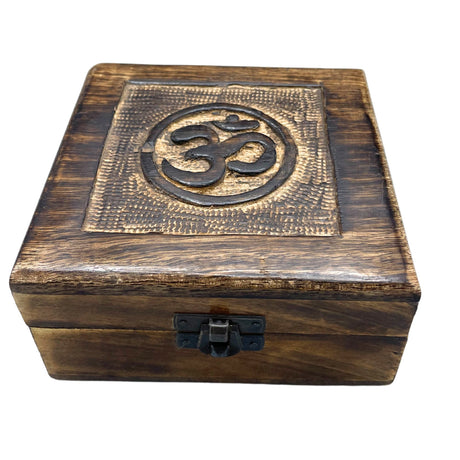
Wooden Keepsake Box Square Om 13x13x6cm

Regular price £1195
In stock
View details
Wind Chime Brass Om Chakra Beads And Bells Brass Om Chakra Wind Chime with Colorful Beads and Bells - Handcrafted Indian Spiritual Decor for Peace and Harmony - SHAMTAM.COM
£1.01 off

Wind Chime Brass Om Chakra Beads And Bells

Sale price £1399 Regular price £1500
In stock
View details
Tree of Life Frangipani Panel - 40cm - SHAMTAM.COM Tree of Life Frangipani Panel - 40cm - SHAMTAM.COM
£26.86 off

Tree of Life Panel Frangipani 40cm

Sale price £8000 Regular price £10686
Low stock
View details
Rose Quartz Necklace Tree of Life Pendant - SHAMTAM.COM Tree of Life Necklace - Rose Quartz Crystal Gemstone - SHAMTAM.COM
£3.82 off

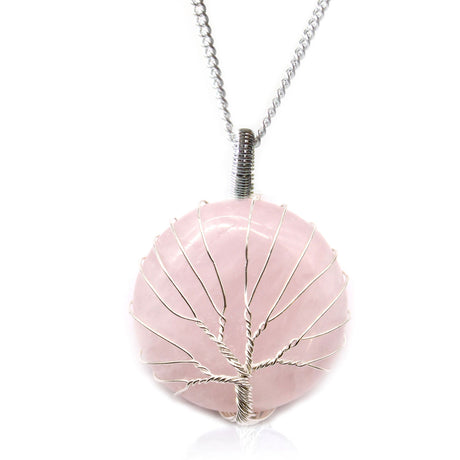
Rose Quartz Necklace Tree of Life Pendant

Sale price £2099 Regular price £2481
In stock
View details
Brass Altar Bell – Triquetra Celtic Ritual Chime Brass Altar Bell – Triquetra Celtic Ritual Chime - SHAMTAM.COM
£2.90 off

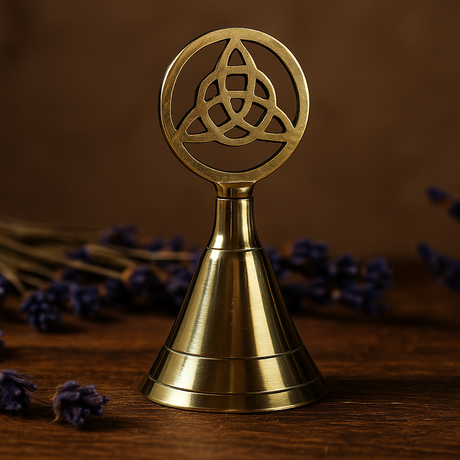
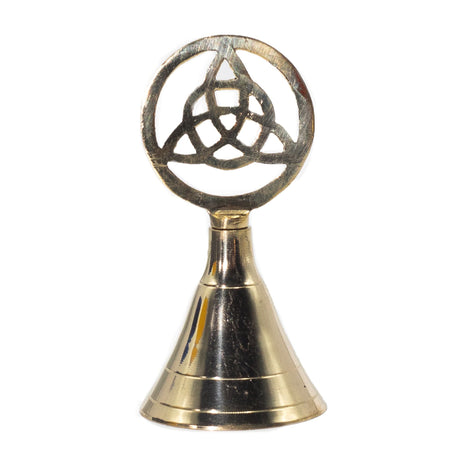
Brass Altar Bell – Triquetra Celtic Ritual Chime

Sale price £1495 Regular price £1785
In stock
View details
Buddha Mandala Canvas Wall Art Set of 4 - SHAMTAM.COM Set of 4 Gold Buddha Mandala Brocade Detail 30x40cm - SHAMTAM.COM
£11.67 off

Buddha Mandala Canvas Wall Art Set of 4

Sale price £5400 Regular price £6567
In stock
View details
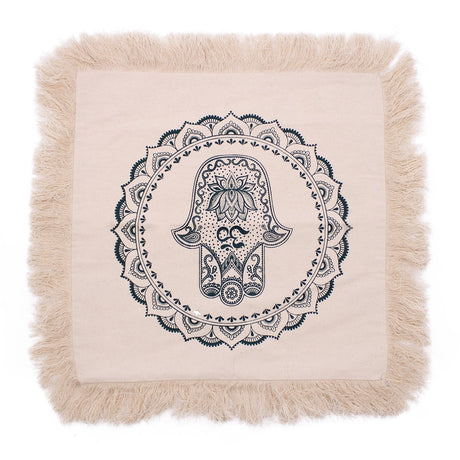
Cushion Hamsa Mandala 45x45cm Green - SHAMTAM.COM Hamsa Mandala Cushion - 45x45cm - green - SHAMTAM.COM
£2.05 off

Cushion Hamsa Mandala 45x45cm Green

Sale price £1895 Regular price £2100
In stock
View details
Singing Bowl Set Lotus Flower - SHAMTAM.COM Lotus Flower Singing Bowl Set - SHAMTAM.COM
£20.28 off

Singing Bowl Set Lotus Flower

Sale price £8100 Regular price £10128
In stock
View details
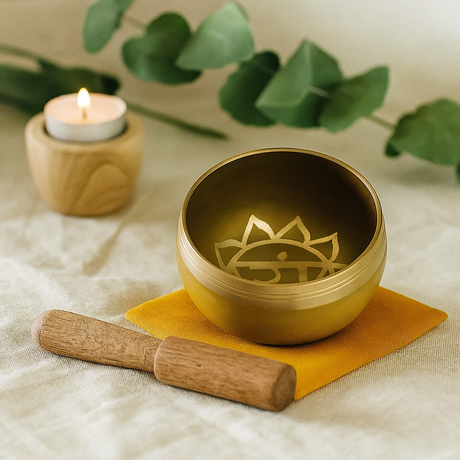
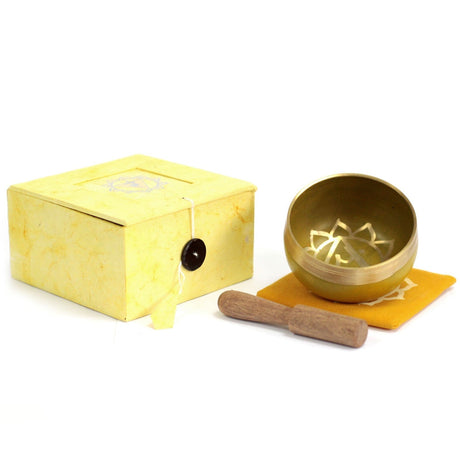
Solar Plexus Chakra Singing Bowl, Manipura, Singing Bowl Set Solar Plexus Chakra Singing Bowl - Manipura - SHAMTAM.COM
£5.98 off

Solar Plexus Chakra Singing Bowl, Manipura

Sale price £3695 Regular price £4293
In stock
View details

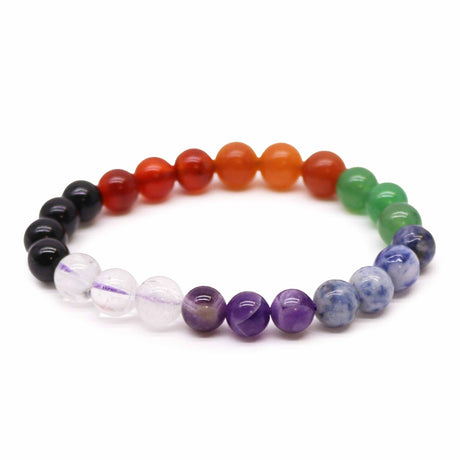
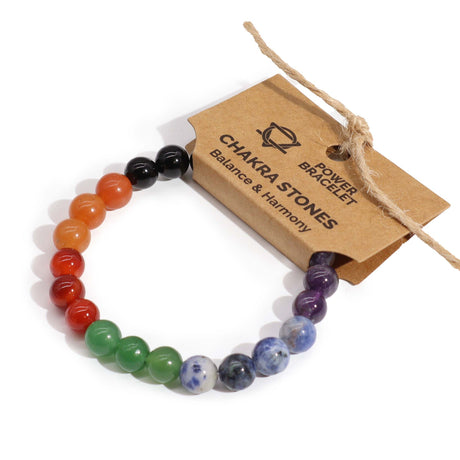
7 Chakra Gemstone Beaded Bracelet 8mm

Regular price £999
In stock
View details

Evil Eye Nazar Enamel Incense Burner Mango Wood

Regular price £1199
In stock
View details
Triple Moon Solid Brass Ritual Altar Bell Triple Moon Solid Brass Ritual Altar Bell - SHAMTAM.COM
£2.90 off

Triple Moon Solid Brass Ritual Altar Bell

Sale price £1495 Regular price £1785
In stock
View details
Tingsha Cymbals Tibetan Five Buddha 9.5cm - SHAMTAM.COM Tingsha - Five Buddha - Tibetan 9.5cm - SHAMTAM.COM
£16.29 off

Tingsha Cymbals Tibetan Five Buddha 9.5cm

Sale price £4095 Regular price £5724
In stock
View details

Share this story