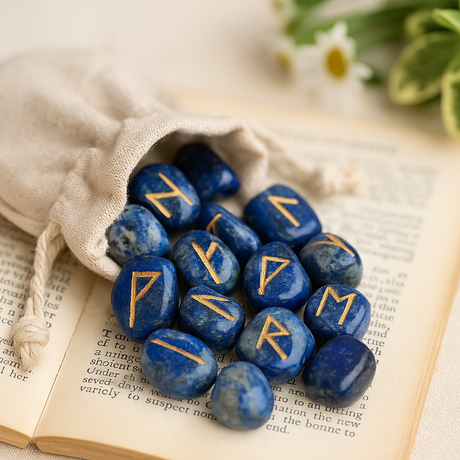
There is a particular quiet that comes from sitting with an old symbol. No screen, no rush — just a small carved mark in your hand and a question you have been carrying. The Elder Futhark, the oldest of the runic alphabets, has held that kind of attention for the better part of two thousand years. This is a slow walk through all twenty-four runes: what each one meant, the qualities it gathers, and a gentler way of working with them today — not to be told the future, but to look more honestly at the present.
Runes unveiled
Have you ever been drawn to the marks whispered about in the Viking sagas? These symbols, known as runes, were far more than letters. They were the everyday alphabet of the Norse and wider Germanic peoples — and, by tradition, something carried a little deeper too.
Carved into stone and wood, runes were used for ordinary writing: names, ownership marks, short messages. But beyond everyday use, they were also bound up with ritual and lore. Many believe they were used in divination and in chanted verses called galdr — though it is worth saying the historical evidence here is thinner than popular telling suggests, and much of the rune-casting practice we know today is a modern revival. We share it in that honest spirit: as living heritage, not settled fact.
Exploring the Elder Futhark
The Elder Futhark is the most ancient form of the runic alphabets. It was used by Germanic peoples, including Scandinavians, from around the 2nd century to the 8th. The very name “futhark” echoes its origins, drawn from the first six runes — Fehu, Uruz, Thurisaz, Ansuz, Raidho, Kenaz — much as “alphabet” comes from the first two Phoenician letters, aleph and beth. The marks have been found carved onto weapons, jewellery, tools and standing stones, unearthed across a wealth of artefacts.
The Elder Futhark holds twenty-four runes, each representing a sound. These were not scattered letters but grouped into three sets of eight, called ætt (meaning “clan” or “family”). Historically the ættir are simply these groupings. In many modern rune systems each one is also linked with a Norse deity — the first ætt to Freyr and Freyja, the second to Heimdall, the third to Tyr — a later convention rather than a recorded ancient belief, but a useful way to remember the three families.
The word “rune” itself traces to a Germanic root meaning “mystery” or “secret,” a hint at the regard in which these marks were held. Today the Elder Futhark still draws the curious. Some use the runes as a way to connect with their intuition; others as prompts for reflection. The honest frame is the same throughout: you set an intention, draw a rune, and let its theme help you look more clearly at where you stand. The runes don’t decide anything for you. They give you a frame and a vocabulary; the choices stay in your hands.
Join us as we walk through the whole futhark on the SHAMTAM magazine — from Fehu (wealth) and Uruz (strength) to Thurisaz (protection) and the rest.
🌀 Fehu – rune of cattle and resources

Rune: Fehu (pronounced Fay-who) · Meaning: Cattle · Colour: Gold, brown
A modern pairing: carnelian (associated with prosperity and vitality), kept close as a tangible reminder of the rune’s theme rather than a charm with powers of its own.
Fehu, shown as an upright stave with two branches reaching up, once meant livestock — a real measure of wealth and security in the Norse world. More broadly it speaks of resources, sustenance and the means to thrive. As Fehu, the rune of wealth and abundance, it invites a moment of honest stock-taking: what do you actually have, where is your energy flowing, and can you feel gratitude for what is already yours while you work towards more?
Drawn for reflection, Fehu is less a forecast of riches than a prompt. It asks you to look at your resources — money, time, attention — and to notice where you might be holding on too tightly, or spreading yourself too thin.
🌀 Uruz – rune of the wild ox

Rune: Uruz (pronounced Oo-rooz) · Meaning: Wild ox · Colour: Deep red, green
A modern pairing: garnet (associated with strength and endurance).
Uruz, drawn like an inverted U, recalls the aurochs — the wild ox admired for its raw strength and stamina. The rune carries energies of health, vitality and untamed potential. It asks you to consider your own reserves: what endures in you when things get hard, and where might you draw on a deeper, steadier strength?
As a reflective prompt, Uruz invites you to meet a challenge with resilience rather than force, and to notice the difference between courage and recklessness.
🌀 Thurisaz – rune of the thorn

Rune: Thurisaz (pronounced Thu-ree-saz) · Meaning: Thorn or giant · Colour: Red, black
A modern pairing: grounding hematite.
Thurisaz, drawn as a pointed thorn, speaks of defence and the wild power of a giant. It is the natural barrier that guards against harm, and the challenge that prompts growth. Long read as a shield against threats, it invites you to consider where you need a firmer boundary — and what is worth standing up for.
For reflection, Thurisaz asks you to pause before acting. It is a rune of considered defence, not aggression: where might caution serve you, and what conflict is asking to be faced rather than avoided?
🌀 Ansuz – rune of the spoken word

Rune: Ansuz (pronounced Ahn-sooz) · Meaning: God or mouth · Colour: Blue, grey
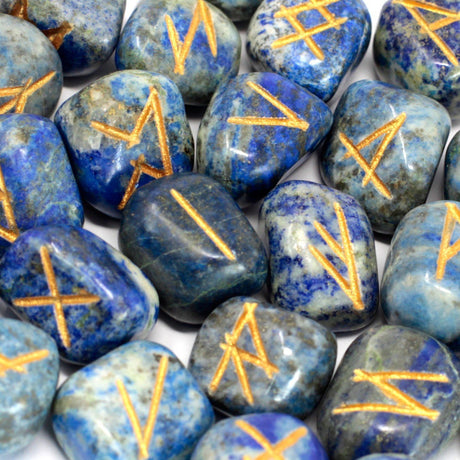
A modern pairing: lapis lazuli (associated with wisdom and truth).
Ansuz, resembling a forked branch, is the rune of speech, learning and wisdom — the breath and the spoken word as tools for understanding. It points to messages, advice and clear thinking.
As a prompt, Ansuz asks where you might listen more closely, or speak your truth more plainly. Is there something you have been meaning to say, or a piece of advice you have been slow to hear?
🌀 Raidho – rune of the journey

Rune: Raidho (pronounced Rye-dhoh) · Meaning: Ride or journey · Colour: Red, brown
A modern pairing: amethyst (associated with protection during travel), long carried by travellers.
Raidho, which resembles a rider on horseback, speaks of the journey — the movement of a life towards its purpose, and the rhythm of travelling well. It is about right action and the steady path more than the destination.
For reflection, Raidho asks where you are headed and whether your pace feels true. Is there a transition underway, and what would it mean to navigate it with care rather than haste?
🌀 Kenaz – rune of the torch

Rune: Kenaz (pronounced Kay-nahz) · Meaning: Torch or light · Colour: Fiery red, orange
A modern pairing: bloodstone, for its associations with vitality and strength.
Kenaz, shaped like a kindled torch, is the rune of light — clarity, craft and the spark of understanding. It is the small flame that reveals what was hidden in the dark.
As a prompt, Kenaz invites you to bring a clear eye to a murky situation, or to follow a creative impulse. Where could a little more honesty, or a fresh idea, change how you see a problem?
🌀 Gebo – rune of the gift

Rune: Gebo (pronounced Gay-bo) · Meaning: Gift or partnership · Colour: Deep blue
A modern pairing: sapphire, for its associations with loyalty and mutual understanding.
Gebo, a simple X, is the rune of the gift — generosity, exchange and the balance that holds a partnership together. It speaks of giving and receiving in fair measure.
For reflection, Gebo asks how the give and take sits in your relationships. Where might you offer more freely, and where might you let yourself receive?
🌀 Wunjo – rune of joy

Rune: Wunjo (pronounced Woon-yo) · Meaning: Joy or bliss · Colour: Yellow
A modern pairing: amber, for its warm, sunlit associations.
Wunjo, shaped a little like a flag on a pole, is the rune of joy — the contentment that comes from work well done and connections that hold. It speaks of harmony and the quiet satisfaction of things falling into place.
As a prompt, Wunjo asks you to notice what already brings you happiness, and to tend it. What is worth celebrating today, and who might you share it with?
🌀 Hagalaz – rune of hail

Rune: Hagalaz (pronounced Hah-gah-laz) · Meaning: Hail · Colour: Red, black
A modern pairing: obsidian, for its grounding, protective associations.
Hagalaz embodies the raw power of weather — hail, which can both batter and cleanse. It is the rune of disruption, and of the renewal that sometimes follows it.
For reflection, Hagalaz asks how you meet sudden change. Where is something old being cleared away, and what might grow once the storm has passed?
🌀 Nauthiz – rune of need

Rune: Nauthiz (pronounced Now-theez) · Meaning: Need or necessity · Colour: Black
A modern pairing: onyx, for its steadying, self-mastery associations.
Nauthiz speaks of need — the hardship that arrives uninvited and the strength forged in meeting it. It is the rune of constraint, and of the resourcefulness constraint can call up.
As a prompt, Nauthiz asks what you most need right now, and what a current limit might be teaching you. Where could necessity become the spur to do something differently?
🌀 Isa – rune of ice

Rune: Isa (pronounced Ee-sah) · Meaning: Ice · Colour: White, clear
A modern pairing: clear quartz, for its associations with clarity and stillness.
Isa is a single, stark vertical line — ice, and the standstill it brings. It is the rune of the pause, the held breath, the moment when progress seems frozen and patience is asked of you.
For reflection, Isa invites you to stop before you push. Is this a time to act, or a time to wait and gather clarity? And is there a coolness somewhere — in you or between you and another — that might gently thaw?
🌀 Jera – rune of the harvest

Rune: Jera (pronounced Yair-ah) · Meaning: Year or harvest · Colour: Green, brown
A modern pairing: amber, for its associations with natural cycles and warmth.
Jera, two interlocking shapes like turning sickles, is the rune of the harvest and the turning year. It holds the idea that effort, given time, comes good — in its own season, not before.
As a prompt, Jera asks you to look honestly at what you have sown and to trust the timing of things. What patient work is yours to continue, even where the results are not yet visible?
🌀 Eihwaz – rune of the yew tree

Rune: Eihwaz (also Ihwaz) · Meaning: Yew tree · Colour: Dark green
A modern pairing: jet, for its grounding, protective associations.
Eihwaz is the yew — a long-lived tree linked in older cultures with both life and death. The rune carries endurance, resilience and the sense of a threshold between one phase of life and the next.
For reflection, Eihwaz asks where you are being tested, and what inner steadiness you can draw on. Is there an ending here that is also, quietly, a beginning?
🌀 Perthro – rune of mystery and chance

Rune: Perthro (pronounced Per-throh) · Meaning: Dice cup or lot · Colour: Black, deep purple
A modern pairing: aquamarine, for its associations with clarity and depth.
Perthro is the dice cup — the rune of mystery, chance and the parts of life that stay hidden. It points to the play between what we choose and what we cannot control.
As a prompt, Perthro invites you to sit with uncertainty rather than force an answer, and to trust your own read of a situation. What feels unresolved, and can you let it stay open a little longer?
🌀 Algiz – rune of protection

Rune: Algiz (pronounced Al-geez) · Meaning: Elk or protection · Colour: Gold, rainbow
A modern pairing: moonstone, for its associations with intuition.
Algiz, often read as an elk’s raised antlers, is a rune of protection and of trusting your instincts. It speaks of staying alert and keeping a clear sense of your own boundaries.
For reflection, Algiz asks where you feel exposed and what would help you feel safe — physically, emotionally or in spirit. What is your intuition quietly telling you?
🌀 Sowilo – rune of the sun

Rune: Sowilo (pronounced So-wee-lo) · Meaning: Sun · Colour: Gold, white
A modern pairing: topaz, for its associations with clarity and warmth.
Sowilo is the sun — vitality, clarity and the energy to move towards what matters. It is the rune of warmth returning, of seeing your way forward plainly.
As a prompt, Sowilo asks you to name what you are working towards and to act on it with some confidence. Where is your energy strongest, and how might you follow it?
🌀 Tiwaz – rune of justice

Rune: Tiwaz (pronounced Tee-waz) · Meaning: Justice · Colour: Bright red
A modern pairing: sapphire, for its associations with truth and fairness.
Tiwaz, an upward-pointing arrow, takes its name from the god Tyr and speaks of justice, fairness and integrity. It is the rune of doing the right thing, even at a cost, and of steady, honourable leadership.
For reflection, Tiwaz asks where fairness is at stake — in a decision, a conflict, a commitment — and how you might act with integrity. What would it look like to lead with principle here?
🌀 Berkana – rune of growth

Rune: Berkana (pronounced Ber-kah-nah) · Meaning: Growth · Colour: Green
A modern pairing: emerald, for its associations with nurture and renewal.
Berkana is the birch — a tree of growth, renewal and gentle, nurturing care. It speaks of new beginnings and the patience it takes to bring something young safely into the world.
As a prompt, Berkana asks what is taking root in your life and how you might tend it kindly. Where do you, or those near you, need a little more care?
🌀 Ehwaz – rune of the horse

Rune: Ehwaz (pronounced Eh-waz) · Meaning: Horse · Colour: White, brown
A modern pairing: aventurine, for its associations with movement and vitality.
Ehwaz is the horse — a trusted companion, and so a rune of partnership, trust and shared movement. It values loyalty and the steady work of travelling together towards a common goal.
For reflection, Ehwaz asks where cooperation will serve you better than going alone, and which partnerships are worth your trust and care.
🌀 Mannaz – rune of humanity

Rune: Mannaz (pronounced Mah-naz) · Meaning: Humanity · Colour: Deep red, blue
A modern pairing: lapis lazuli, for its associations with wisdom and connection.
Mannaz is the rune of humanity — the self within community, and the respect that lets people thrive together. It holds both belonging and individual identity.
As a prompt, Mannaz asks how you show up among others, and what you bring to the people around you. Where might you ask for support, or offer it?
🌀 Laguz – rune of water

Rune: Laguz (pronounced Lah-gooz) · Meaning: Water · Colour: Blue, sea green
A modern pairing: aquamarine, for its associations with flow and clarity.
Laguz is water — flow, feeling and the deep currents of the inner life. It speaks of intuition and the value of going beneath the surface to understand what moves you.
For reflection, Laguz invites you to attend to your dreams, feelings and instincts, and to let yourself adapt rather than resist. What is your intuition asking you to notice?
🌀 Ingwaz – rune of the earth

Rune: Ingwaz (pronounced Ing-waz) · Meaning: Earth · Colour: Yellow, green
A modern pairing: jet, for its grounding, stabilising associations.
Ingwaz is the seed in the earth — stored potential, gestation, the quiet pause before something new emerges. It is a rune of grounding and of cycles reaching their completion.
As a prompt, Ingwaz asks what is ripening in you, just out of sight. What needs a solid foundation before it can grow, and where might patience be the work?
🌀 Dagaz – rune of daybreak

Rune: Dagaz (pronounced Dah-gaz) · Meaning: Daylight · Colour: Blue, gold
A modern pairing: amber, for its associations with clarity and warmth.
Dagaz is the dawn — the turn from dark to light, the moment a thing finally becomes clear. It speaks of awakening, balance and quiet breakthrough.
For reflection, Dagaz asks where you sense a shift coming, and how you might meet it openly. What is becoming clearer to you, and what new approach is it inviting?
🌀 Othala – rune of ancestry and home

Rune: Othala (pronounced Oh-thah-lah) · Meaning: Ancestry · Colour: Deep gold, brown
A modern pairing: jasper, for its grounding, earth-connected associations.
Othala is the rune of inheritance and home — the bonds of family, heritage and the things, tangible and intangible, passed down through generations. It speaks of roots and belonging.
As a prompt, Othala asks what you have inherited and what you wish to carry forward. Where do you feel most at home, and what traditions or values steady you now?
Carrying the runes into daily life
We have walked the whole futhark — from Fehu and its resources to Othala and its sense of home. Read this way, the runes are not a forecast and not a fix. They are a small, well-worn vocabulary for paying attention: a way to slow down, set an intention, and look more honestly at where you stand.
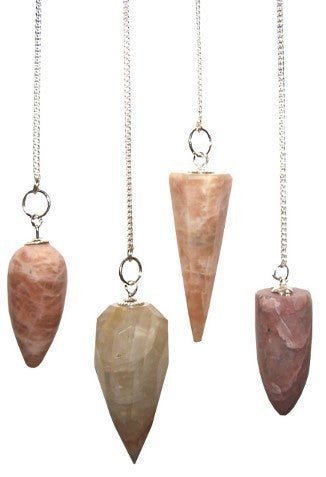
If you would like to keep one near you, a rune can be a quiet symbol to set on your desk or carry in a pocket — a reminder of the quality you are cultivating that week. Some readers like to pair a draw with other reflective tools, such as runes and pendulums for divination, or a deck of tarot and oracle cards. However you come to them, let the work stay yours: the symbol simply keeps the note. 🌀