Some mornings you want a question rather than an answer. A single card, drawn before the day gets loud, gives you one, a quiet prompt to sit with while the kettle warms. Chakra Oracle Cards work this way: not as a verdict on what's coming, but as a mirror for where you are now. This is a short guide to using them as a tool for reflection and intention, organised around the seven chakras.
A note before we begin. These are oracle cards, not tarot. The two are often grouped together, but they are different systems: tarot follows a fixed 78-card structure of Major and Minor Arcana, while an oracle deck is free-form, with its own count and its own imagery. The cards and card meanings described below are drawn from Tori Hartman's Chakra Wisdom Oracle, a 49-card deck, seven cards per chakra, so where you see specific titles, they are hers. SHAMTAM does not currently stock this particular deck; this is an educational piece, and the products we link to are chakra tools we genuinely sell.
What a chakra oracle deck is
A chakra oracle deck pairs the imagery of oracle cards with the chakra framework, the idea, drawn from yogic and tantric traditions, that the body holds seven main energy centres, root to crown. Each card belongs to one of those centres. Held this way, the chakra system is a contemplative map, not a literal claim: a way to reflect on a particular part of yourself.
Rather than predicting, the card hands you a focus point. You draw, you read the theme as a question, and you do the reflecting. The card is the prompt; the attention is yours. That is the whole practice, a way to reflect on each energy centre, one draw at a time.
Understanding the seven chakras
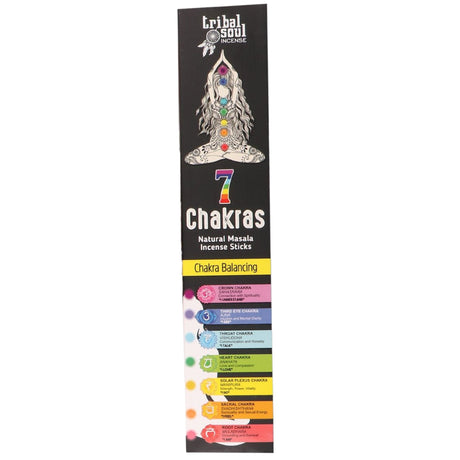
A short walk through the seven centres, each represented in the deck:
- Muladhara, Root Chakra. Our grounding centre, associated with stability and security.
- Svadhisthana, Sacral Chakra. The wellspring of creativity and appetite for life.
- Manipura, Solar Plexus Chakra. The core of identity, self-esteem, and personal power.
- Anahata, Heart Chakra. The emotional centre, associated with love and connection.
- Vishuddha, Throat Chakra. Our voice in the world, associated with communication and self-expression.
- Ajna, Third-Eye Chakra. The centre of intuition and insight.
- Sahasrara, Crown Chakra. Associated with wider awareness and a sense of connection to something larger.
If you'd like all seven laid out in one place, their colours, Sanskrit names, and themes, our chakra hub is a useful reference to keep beside your deck.
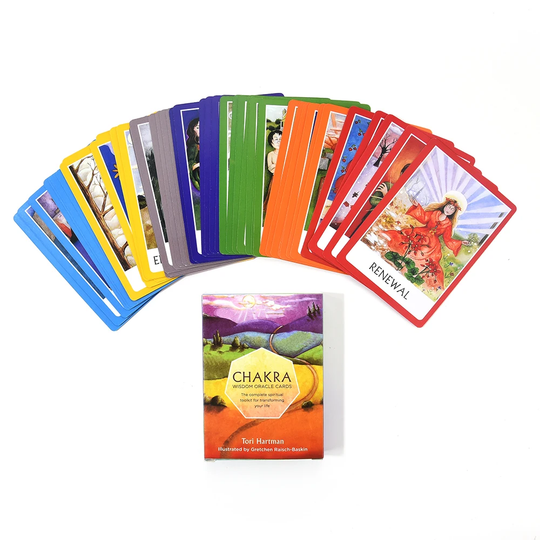
How the cards are grouped by colour
Hartman's deck sorts its 49 cards into seven colour groups, one per chakra. Six follow the rainbow, red through to purple, and the seventh, the crown, is the Neutral group rather than violet or white. So if you're expecting indigo or violet at the very top, that's why it isn't there: in this deck the crown is held by the neutral cards, and the mapping is complete, not missing a colour. A few examples from each group give a feel for how the cards read.
Red cards, foundations and passions
- Renewal, Geranium: waking to a new chapter, finding your footing before you build.
- Soulmate, Rose without Thorns: shifting how you communicate, opening to new connection.
- Perfection, Righteous Raspberry: finding the balance between protecting yourself and staying open.
Orange cards, creativity and emotional strength
- Service, Honey Adams: creating through service, with a lasting emotional impact.
- Self-worth, Salmon Chair: meeting self-worth from within, not from outside approval.
- Passion, Princess of Amber: focusing creative drive and emotional energy.
Yellow cards, personal power and joy
- Miracle, Sun Sparkler: trusting your own integrity.
- Enlightenment, Topaz: following a sense of direction, letting hard-won understanding guide others.
- Joy, Dancin' Daisy: finding lightness in letting go, moving forward without forcing.
Green cards, love and growth
- Growth, Grass: committing to your own evolution, honouring courage and abundance.
- Perception, Emerald Stone: gaining clarity with an open heart.
- Grief, Penelope and Pickle: moving through pain, opening up to love and to working through loss.
Blue cards, expression and truth
- Expansion, Sky God: embracing change and finding kindred company.
- Bittersweet, Blue November: rising above difficulty by drawing on inner strength.
- Isolation, Sapphire's Blue: recovering a sense of play, loosening seriousness.
Purple cards, intuition and wisdom
- Mysticism, A Woman Named Aubergine: sitting with the unknown, led by intuition.
- Faith, Royal Purple Brick: working through old wounds and finding your voice.
- Gratitude, Lucy from Indigo: meeting others with self-awareness and thanks.
Neutral cards, balance and perspective
- Impartiality, Bahana Beige: letting others shine, stepping into a neutral, advisory role.
- Rejection, Ivory Tower: stepping away from the need to prove yourself.
- Release, Shadow Grey Storm: standing steady in your own self-awareness.
Each card is a mirror and a map, a prompt for reflection and a marker on a longer practice. Held that way, a deck like Hartman's becomes a prompt you return to, not a promised outcome.
Using the cards in a daily practice
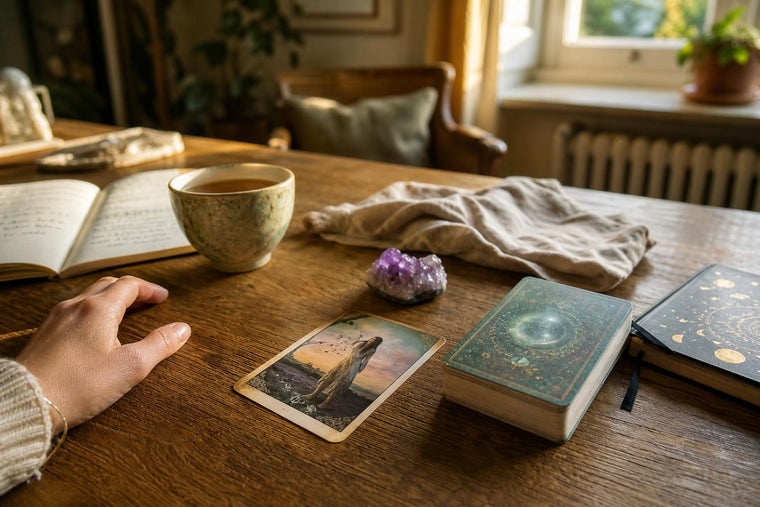
Keep it simple so it lasts. In the morning, shuffle and draw one card. Read its theme as a question rather than an instruction, "where might I bring more honesty to how I speak today?" rather than "you will speak honestly." Set that as an intention, then return to it once or twice as the day goes on.
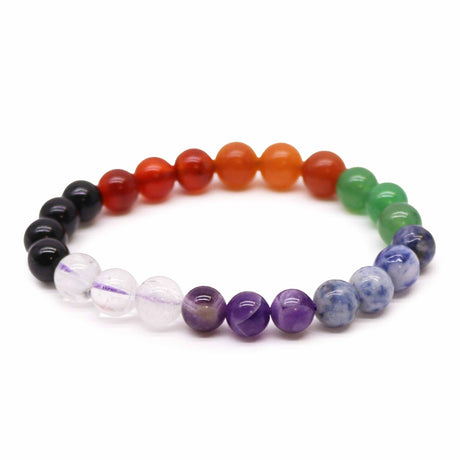
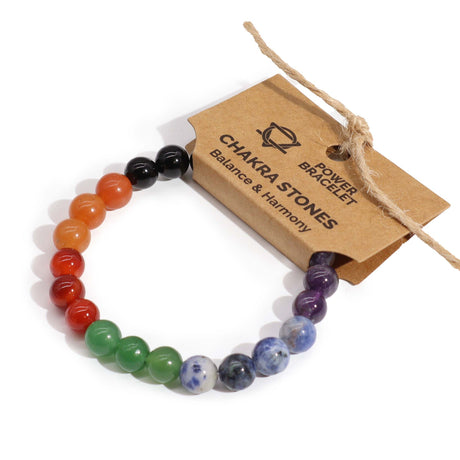
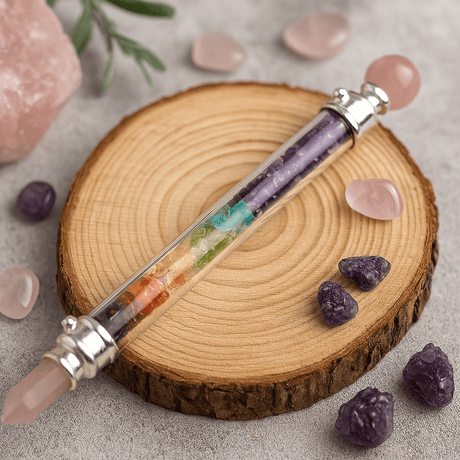
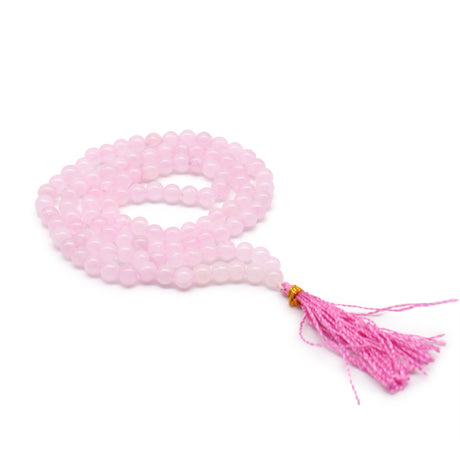
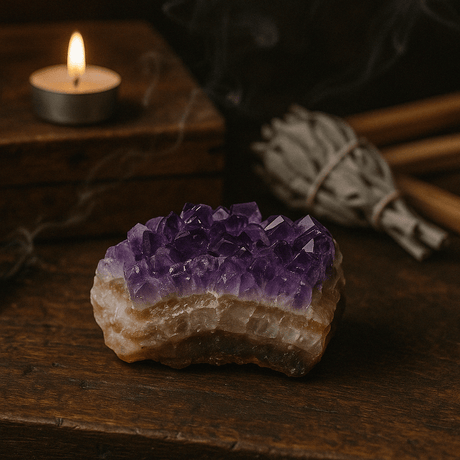
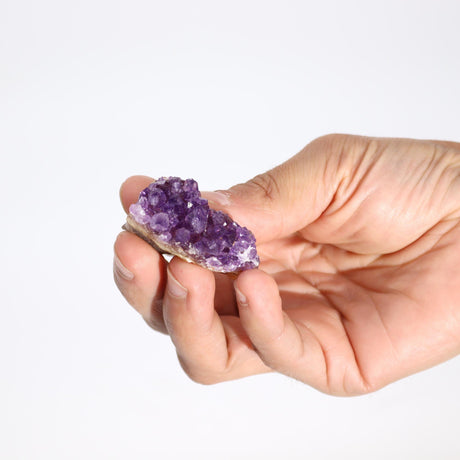
Many readers like to anchor the moment with something tactile. A stone in the card's colour, rose quartz or another green-to-pink piece for a heart draw, amethyst for the crown, keeps the theme close. Browsing chakra crystals by colour is an easy way to match a stone to each centre, and the broader work of balancing your energy centres often begins with one stone you actually reach for.
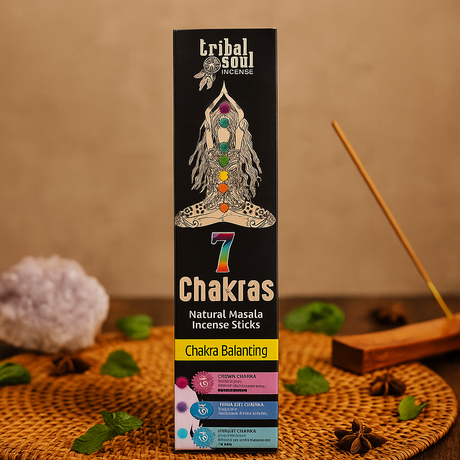
For a heart-chakra draw, a heart-opening stone worn on the wrist carries the day's theme with you. If you enjoy a second layer of reflection, a pendulum can help you trust your intuition, held, like the cards, as a prompt to think with, never as fortune-telling. And lighting incense to mark the moment with incense turns a quick habit into a small ritual you look forward to.
Where to begin
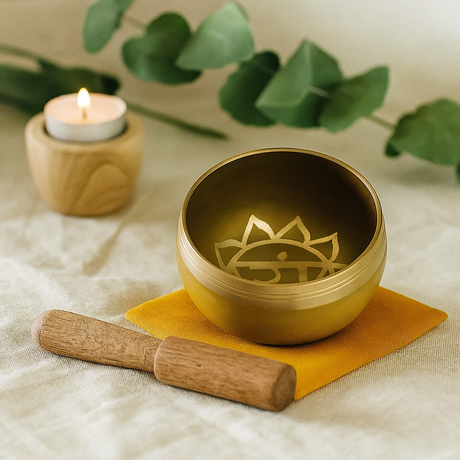
Connect with your own reflection in your own time. If a deck like this appeals, start with one card a day and a small ritual around it, a stone in the matching colour, a lit candle, a few notes in a journal. A complete spiritual toolkit isn't required; one prompt you return to is enough to begin. When you're ready, keep the cards in a wooden box so the practice has a home, and let it grow at the pace that suits you.