There is a particular hour, late in the evening, when the overhead lights feel too bright and the day is asking to be put down. A salt lamp belongs to that hour. Switch it on, dim everything else, and the room softens to a warm amber — the colour of a low fire, of a lamp left burning in a window. It does not promise to change your life. It simply changes the light, and sometimes that is enough to slow you down.
Where salt lamps come from
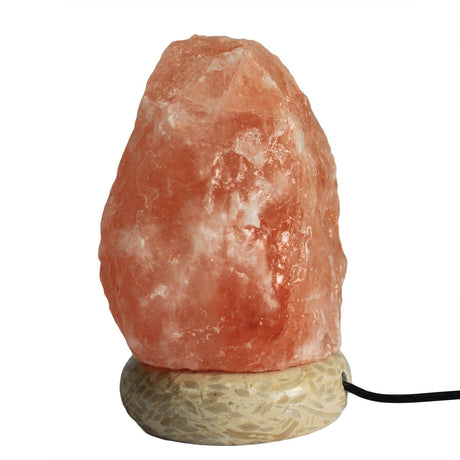
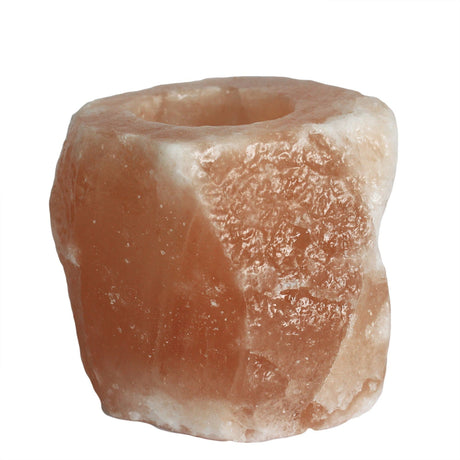
A salt lamp is a block of rock salt, hand-carved and hollowed to hold a small bulb or a candle. The salt is mined at Khewra, in the Salt Range of Punjab, Pakistan — a low band of foothills on the plains south of the Himalayas. Geologically it is fossil sea salt, laid down by a shallow sea that evaporated more than 500 million years ago. "Himalayan" is the trade name it travels under, not a literal address.
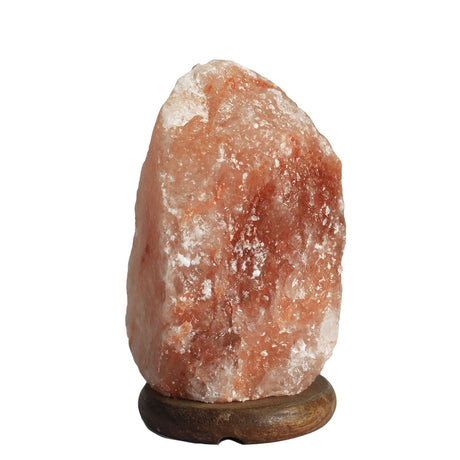
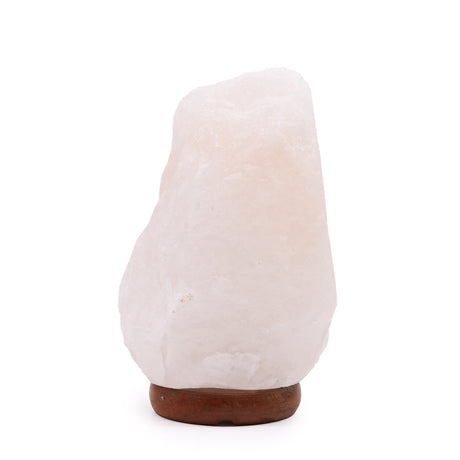
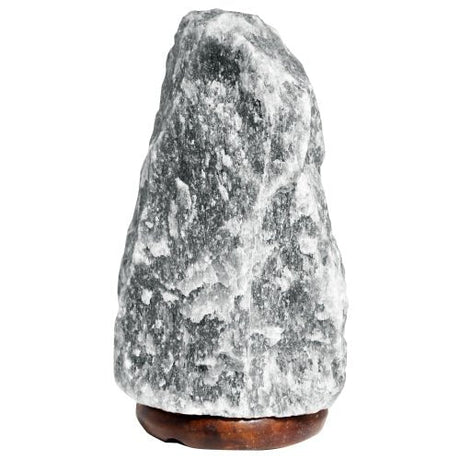
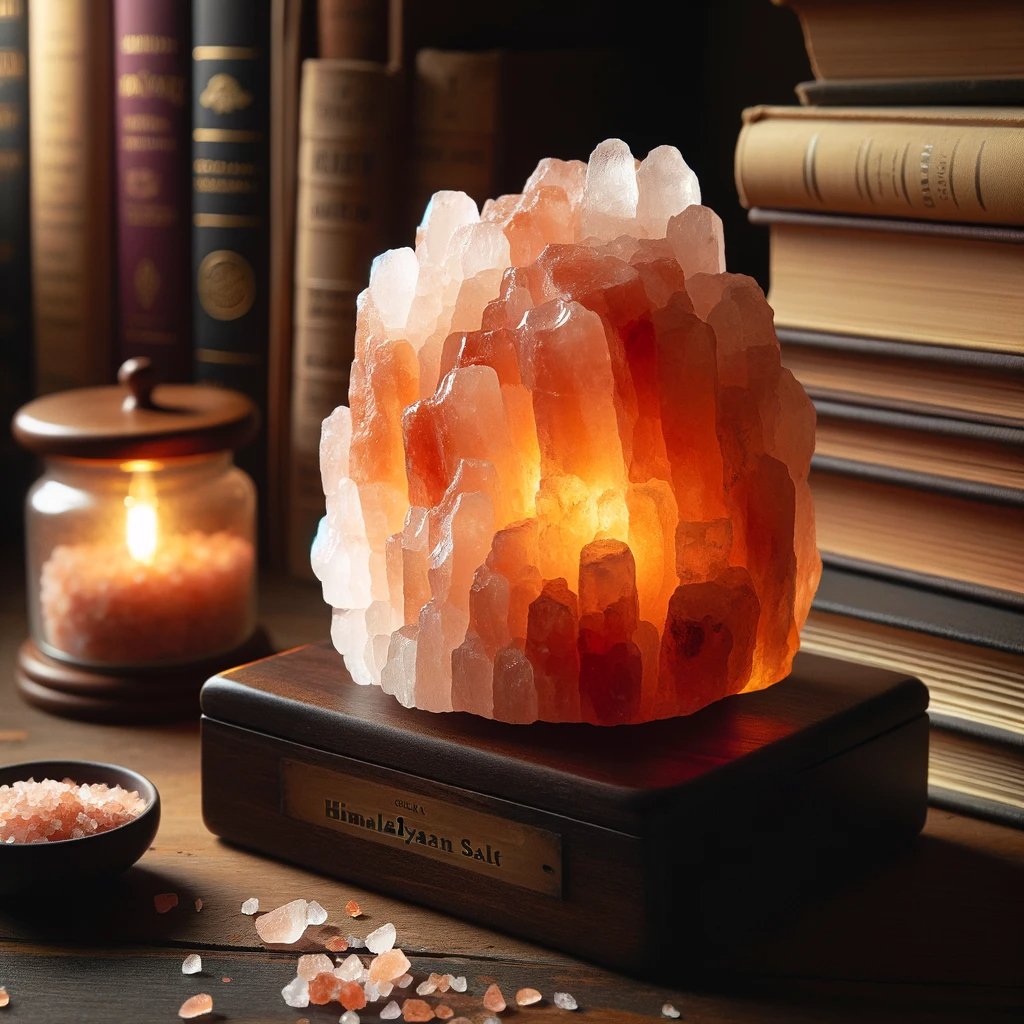
The pink-to-orange tones are not dye. They come from iron oxide and other trace minerals held in the salt, so every block reads a little differently — some blush pink, some deep apricot, a few pale grey or near-white. You can browse our salt lamps to see how widely the colour and shape vary from piece to piece.
Hand-carved, never identical
Each lamp is hand-carved from salt rock at Khewra, then fitted with a base, a cable and a bulb. Because the salt is shaped by hand from a natural block, no two are alike — the contours, the weight, the exact shade all differ. The small irregularities are part of the object, not a fault in it.
Owning one is a quiet way of keeping a piece of the ancient earth on a shelf or a bedside table. The appeal is partly that: a natural, soothing element in a room that is otherwise full of screens and straight lines, adding a natural, soothing element to your space.

What a salt lamp actually does
Salt is hygroscopic, which means it draws moisture from the air. From that simple fact grew a popular idea: that the lamp pulls in water, traps a little dust or pollen with it, and so cleans the air around it.
It is worth being honest here. This is more a popular belief than a scientifically proven fact. The scientific evidence is limited, mostly anecdotal, and not conclusive. In a typical room the effect on air quality is negligible — a single lamp does not have the mass or surface area to filter the air you breathe. The real appeal is the light and the atmosphere, not air purification. Enjoy it for the glow, and treat anything beyond that as a maybe rather than a promise.
A warm glow, and the calm it brings
What a salt lamp reliably gives you is light — low, warm and amber, the kind that suits the end of a day rather than the middle of one. Many people simply find a warm-toned room more settling. It makes a gentle nightlight, and it is well suited to a warm, ambient glow for relaxing evenings, the lamp marking the edge of the day the way a candle once did.
Light, mood and the end of the day
Salt lamps are talked about for more than their looks, though the claims around them are best held lightly. Here is what people tend to notice, framed as experience rather than as a benefit the object delivers to your body.
A calmer corner of the room
The soft, warm light many people find soothing — it can help reduce stress and create a soothing environment simply by changing the mood of a space. There is no medicine in a lamp; what there is, is a low, kind light that makes a room feel like somewhere you can put things down.
Warm colour and the chromotherapy tradition
The pink and orange tones are warm colours, long linked with comfort and ease. In the principles of chromotherapy, which uses colour and light as a traditional practice, warm shades are associated with settling and grounding — and, quite plainly, many people just find a warm-toned room more restful to sit in. If colour and the way it shapes a mood interest you, our piece on chromotherapy goes further into the idea.
The gentle wind-down before sleep
Used in the evening, a salt lamp can help set the scene for rest. Its light is low and amber rather than the blue-white of screens, which is far less likely to interfere with the body's natural wind-down. As a cue it works well — switch the lamp on, dim the brighter lights, put the phone down — and that small ritual can be part of making it easier to fall asleep. The lamp does not send you off; it marks the close of the day, and a softer evening is easier to keep when there is a signal for it.

A lamp, and a small piece of atmosphere
Beyond any of the talk, a salt lamp earns its place as a quietly beautiful object. The natural form and the warm light suit a shelf, a windowsill or a bedside table, and they sit happily alongside other slow, sensory things — a candle, a stone, the warm, earthy thread of the warm, earthy element of a tranquil room. It is less a gadget than a piece of the ancient earth turned into a light.
Choosing the right salt lamp
Choosing one is a pleasant thing to do once you know what to look for. A few honest signs help.
- Genuine rock salt: real Himalayan salt glows in uneven pinks and oranges, no two pieces alike, with that characteristic variation rather than a flat, even colour.
- A soft, warm light: a true salt lamp gives a gentle amber glow. If a lamp is harshly bright or coldly white, it is worth a second look.
- Real weight: a genuine lamp has heft to it, and may sweat slightly in damp air — a sign of the salt, not a flaw.
Understanding the different types
Salt lamps come in a few forms, each casting its light a little differently. The right one depends on the space and the mood you are after.
- Classic carved shape: the most common type, a single block of salt carved to hold a bulb. The classic 2–3kg carved lamp is the familiar starting point, glowing in warm pink-to-orange, and sizes vary widely.
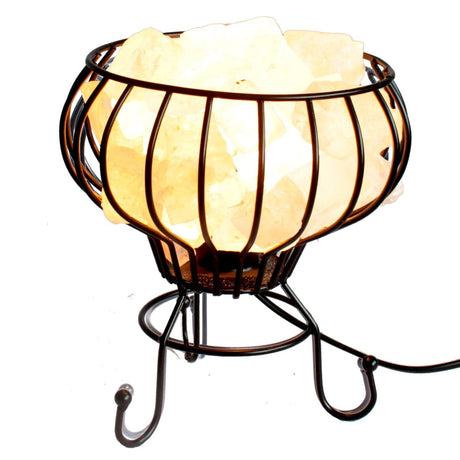
- Basket or brazier style: loose salt chunks gathered in an iron basket or brazier over a light source, so the glow scatters more dynamically through the pieces. A brazier-style basket lamp casts a livelier, broken light than a single carved block.
- Colour variations: the usual warm pink and orange aside, salt lamps also appear in rarer white or grey, the result of a different mineral composition in the salt.
- USB lamps: small, USB-powered versions suit a desk or a little room. Their glow is gentler and lights a smaller area — a compact USB-powered lamp is the one to keep beside a screen at the end of the day.
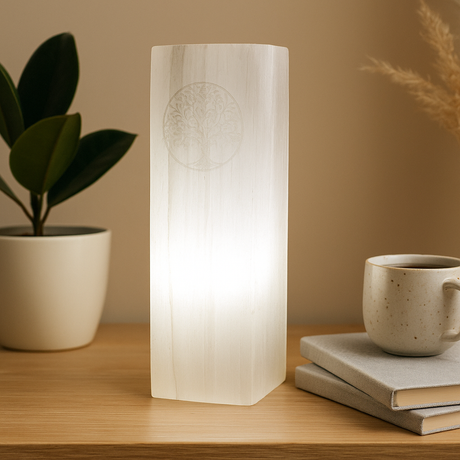
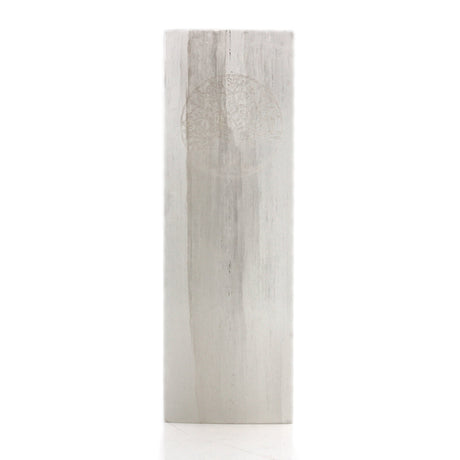
If the gentle, glowing-mineral idea appeals more broadly, a selenite lamp is a natural companion for the gentle glow before sleep, and a calm, scented corner can be rounded out with a piece of the ancient earth in your bedroom set among a few aromatherapy pieces.

Final thoughts
Choosing a salt lamp is less about buying a decorative item than about bringing a small piece of the natural world indoors and giving a room a warmer, quieter light. The best one is simply the one that fits your space, suits your style and gives you a corner you want to sit in at the end of the day.
Ready to find yours? Have a look through our range of authentic, hand-carved Himalayan salt lamps — a classic carved lamp, a basket-style brazier, a small USB lamp for a desk, or one of the rarer pale hues. Carved from rock salt at Khewra and lit with a soft, warm glow, each one brings its own quiet light to a room.