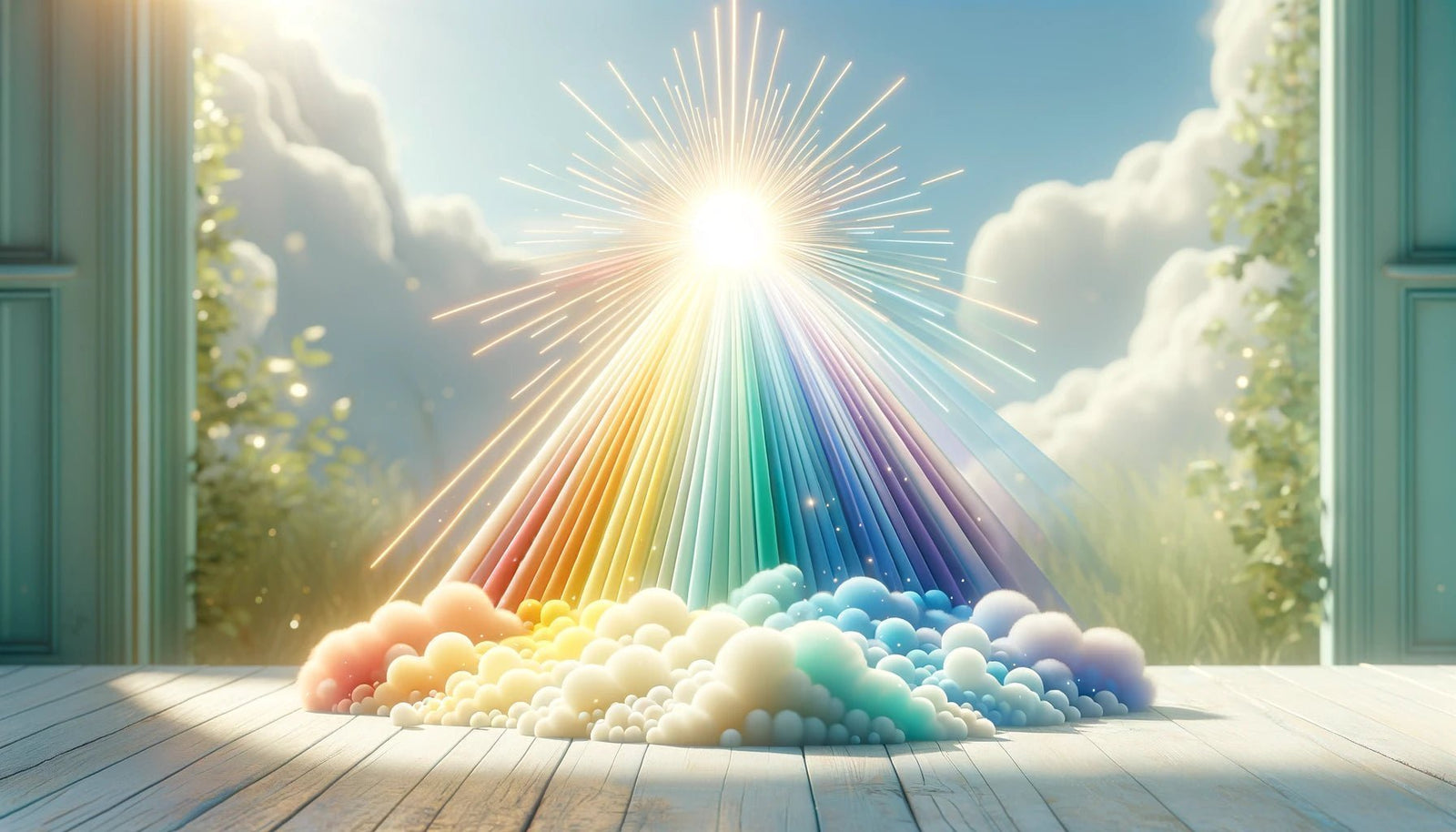
Some mornings the difference between heavy and light is simply where the sun falls. A warm patch on the kitchen floor, the deep blue of an early sky, the green of a garden after rain. Colour and light have always shaped how a room feels and how we feel inside it. Chromotherapy, or colour therapy, is an ancient practice that pairs sunlight and colour to support mood and atmosphere. It asks a gentle question worth carrying through the day: which colours do you want around you, and how would you like to feel?
This is a slow, sensory tradition rather than a medical treatment. Think of it as a tool for attention, a way of choosing the mood you sit in on purpose, with the choice always resting in your hands.
Historical and Cultural Origins
People have lived alongside the idea of colour and light as something nourishing for a very long time. In Egypt, healing rooms were built to gather sunlight, and coloured gemstones were used to tint the light that fell on the body. In Greece, Aristotle wrote about colour and its effect on emotion. In India, Ayurvedic tradition associated specific colours with chakras, mapping the spectrum onto the body and the breath. The Persian physician Avicenna, in his eleventh-century Canon of Medicine, also gave colour a place in his writing on health.
These ancient cultures believed colour and light shaped health and spirit. It is best read as heritage and belief rather than established fact, but it is a long, rich thread, and it tells us how deeply colour has always mattered to the way people live.
In traditional Indian thought, the sun held a central place. The Vedas, ancient Hindu scriptures, describe the sun as the soul of the universe. People practised Sūryanamaskāra (सूर्यनमस्कार, ‘sun salutation’) and other forms of sun worship, believing that the morning sun could restore vitality to the body. We share these traditions as cultural context, with respect, not as recommended medicine.
Where Science and Tradition Meet
It helps to be clear about two different things. Light, measurably, does affect the body, this is real photobiology. Blue light in the morning suppresses melatonin and can sharpen alertness, which is why it sits at the heart of how our circadian rhythm responds to daylight, and why it features in light therapy for seasonal low mood. Red and near-infrared light have their own studied clinical uses, delivered at specific doses in a clinical setting.
That is a different field from colour therapy, with different standards of evidence. The broader claims of chromotherapy, that a particular colour around you acts on a particular organ, are traditional, not clinically proven. We think the honest, interesting place to stand is right here: light shapes mood and rhythm in ways we can measure, and colour is something we can use consciously to set the tone of a space and a day. One is science; the other is a gentle, intention-led practice. Both have their place.

Colours and Their Associations
Each colour in the spectrum carries associations gathered over centuries. Read these not as a chart of cures but as an invitation: choose a colour for the mood you want, set a small intention, and let the colour keep the note while you go about your day.
- Red. Traditionally associated with energy, warmth and steadiness. It is true that red light is known to stimulate energy in the body's response to brightness, and as a colour it is often reached for when you want a sense of drive and grounding to begin the day.
- Orange. Traditionally linked to warmth, creativity and sociability, a sunlit, open colour, good for a kitchen or a gathering space.
- Yellow. Bright and uplifting, yellow is associated with clarity, focus and a cheerful outlook. Many people find it a lifting colour for a desk or a working corner.
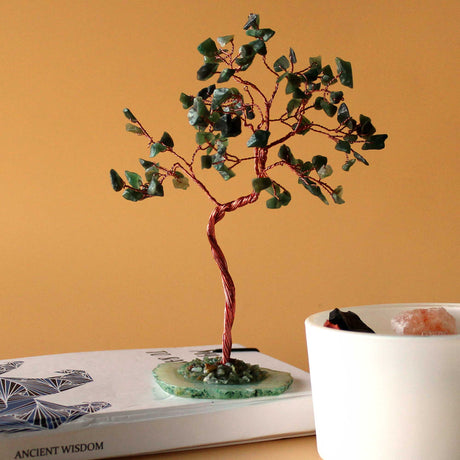
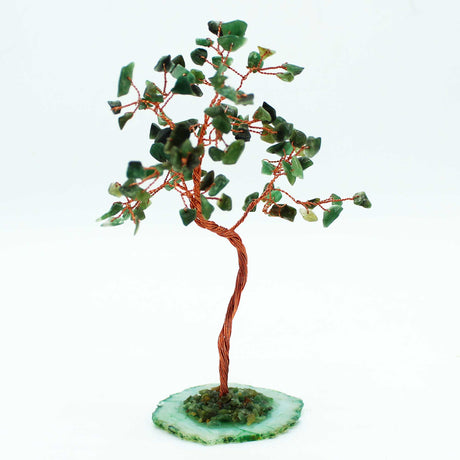
- Green. Widely associated with calm, balance and rest. Green and natural spaces tend to feel restful, which is part of why a plant on a windowsill or a walk among trees can quietly settle the mind.
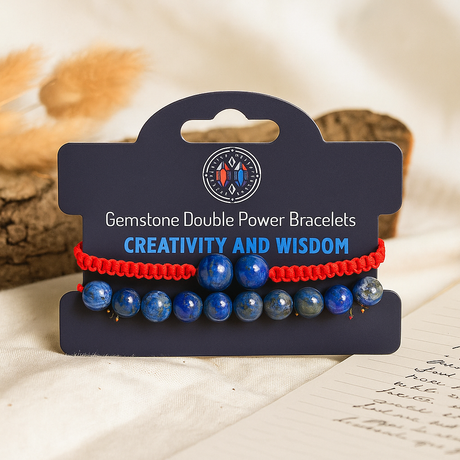
- Blue. Cooling and soothing. Psychologically, blue promotes relaxation and calm, often used in environments designed to soothe anxiety and insomnia, and a cooler, brighter blue daylight is the one that feels most alert. In the chakra tradition, blue is also linked to the throat and clear expression.
- Indigo. Associated with stillness, intuition and inward focus. A deep, quiet colour for a meditation corner or an evening of contemplation.
- Violet. Traditionally linked to imagination, spirituality and reflection, the colour at the top of the spectrum, often chosen for a sense of calm and creative space.
You can bring these colours in through light, through your surroundings, and through what you wear, a simple, holistic approach to health and wellness that begins with paying attention to the colours already around you.
Practical Applications of Chromotherapy
Bringing colour into your life can be quiet and ordinary. The whole practice is really one of choosing, on purpose, the mood you want to sit in.
- Try lamps that emit specific colours to shape the mood and energy of a room, a warm amber glow tells the body the day is winding down.
- Consider the colour of your surroundings: a wall, a cushion, a throw, or using coloured lights to enhance your mood at home.
- There is something to choosing clothes in colours that reflect how you want to feel, a warm hue on a flat morning, a cool one when you want to settle.
This is the healing power of sunlight with the benefits of different colours as the tradition imagines it: not a device that acts upon you, but a set of small, conscious choices about the light and colour you live in.
Integrating Chromotherapy with Other Practices
Colour sits beautifully alongside other slow, sensory rituals. Letting two senses point the same direction tends to deepen the moment.
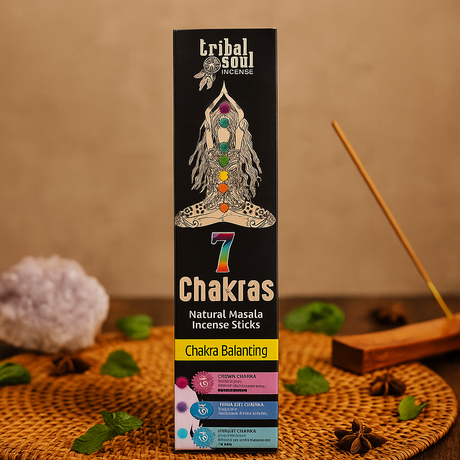
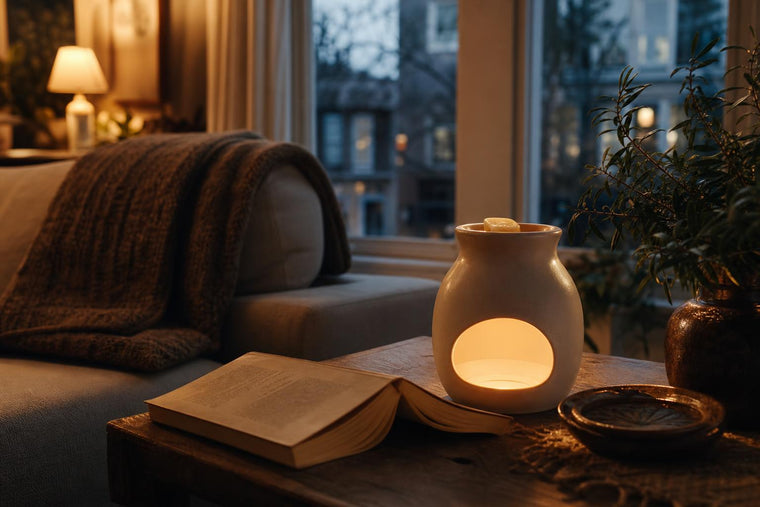
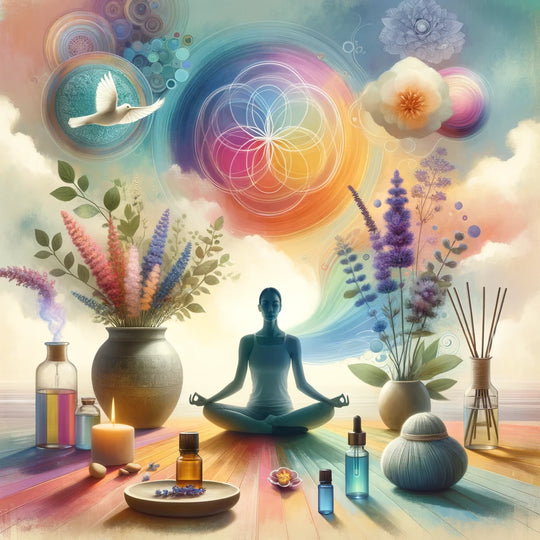
- Aromatherapy. Pairing essential oils with corresponding colour energies, a warm room with a grounding incense, a cool corner with a calming oil, lets scent and colour echo one another. The warm glow of scented candles can hold both notes at once.
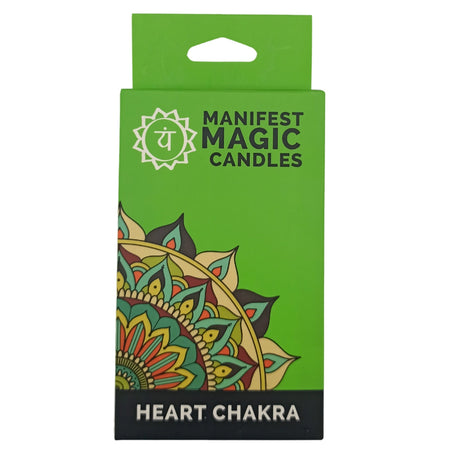
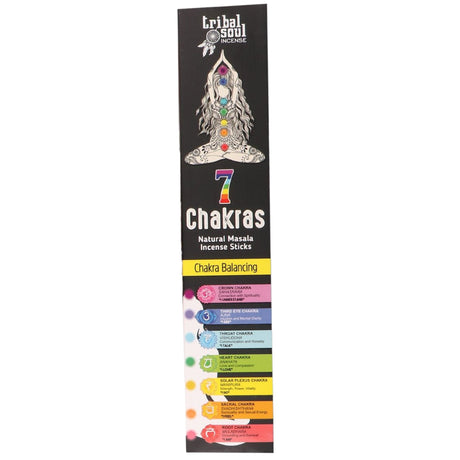
- Yoga and Meditation. Visualising a particular colour during practice gives the mind a simple point of focus and a way to settle on one of the chakras you are working with.
A Gentle Close
Colour therapy is rooted in long tradition, and it touches on what we now know about how light affects mood and rhythm. It is a complement to a mindful life, not a substitute for medical care, for any health concern, your doctor remains the first port of call. Used gently, though, it is a lovely thing: a way to notice the light, to choose a hue for the feeling you want, and to make a space you return to more willingly. Look at the colours around you, and let them keep you company.