Once a month, the moon completes its round, and in three unrelated corners of the world people have long marked it by lighting something, counting something, or drinking something with real attention. This is a guide to doing all three without folding them into one invented ceremony: an evening built from a Hindu observance, a counting practice with real mechanics, and a Japanese custom with its own separate history, each kept whole rather than blended into vague "lunar energy."
The Bead That Is Never Counted
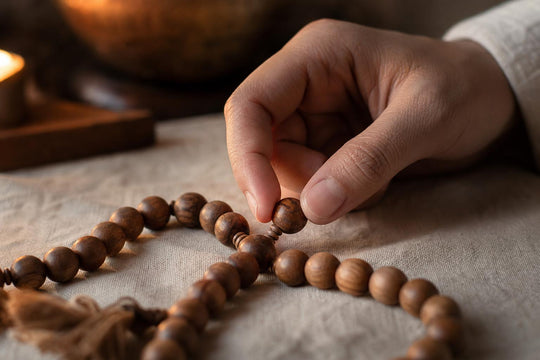
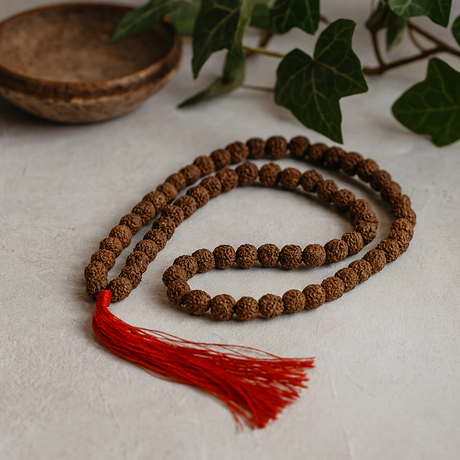
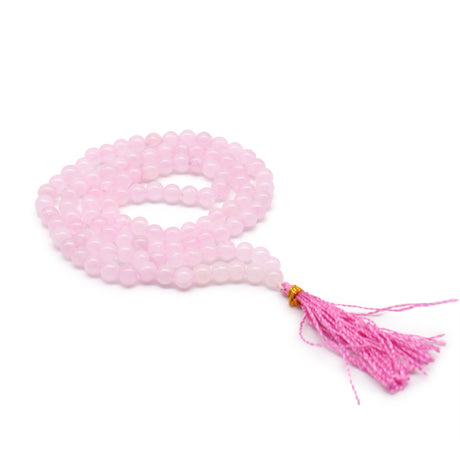
On a traditional japa mala there are 108 beads for counting, plus one more. It sits apart from the rest, often a little larger, and it is never passed over during a recitation. When the thumb reaches it, the counting stops; rather than crossing over this bead to carry on, the hand turns the mala around and begins the next round in the opposite direction. Practitioners often call it the guru bead. It measures nothing itself and marks everything: the point where one round of practice ends and another can begin.
That kind of quiet completion is a fitting way into a night that, in Sanskrit and Hindi, already has its own name: purnima, the full moon day of the Hindu lunar calendar. It is traditionally held to be auspicious for fasting, for holy baths, for charity, and for the worship of the moon itself, in observances such as Satyanarayan Puja. Several major festivals fall on a purnima day, among them Guru Purnima, Raksha Bandhan, Buddha Purnima and Sharad Purnima, each with its own customs that vary by region and by which purnima is being marked; there is no single rite that covers all of them, and it would flatten the tradition to pretend there were. What they share is simpler than any single ritual: the full moon treated as a day worth noticing on purpose, rather than one date among twenty-nine or thirty.
What the Smoke Is For
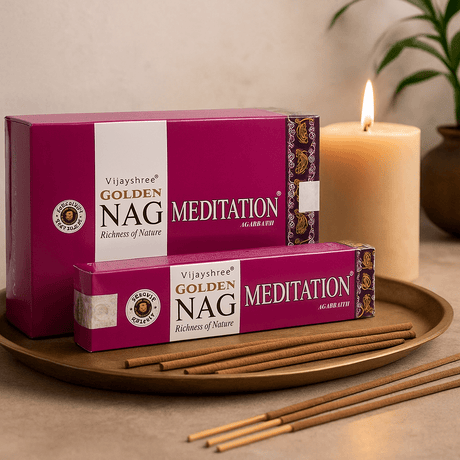
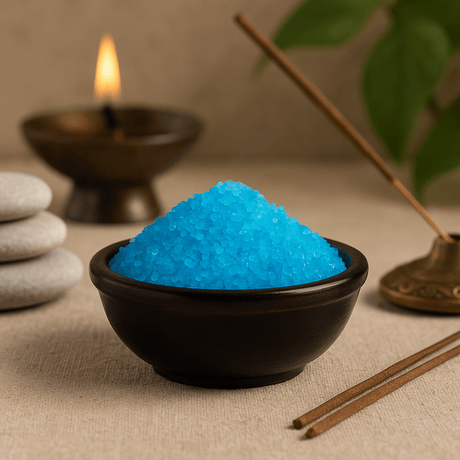
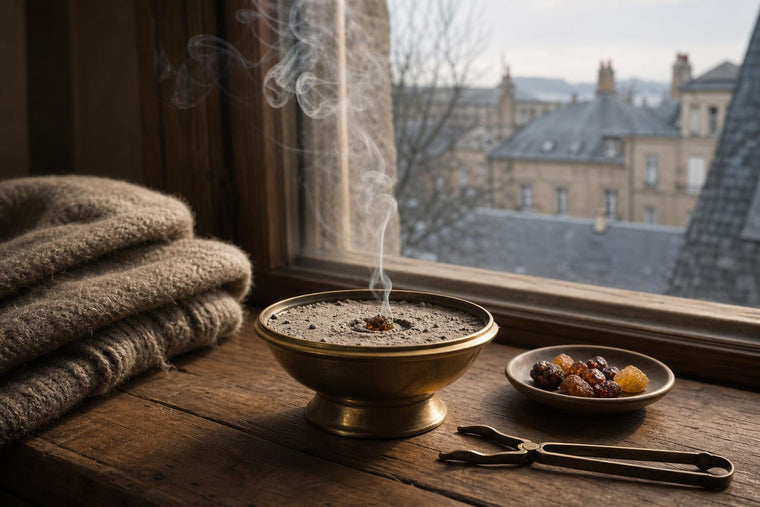
Incense is often the first thing lit on such an evening, and it earns that place for a plain reason rather than a mystical one. Lighting it marks the moment something distinct is beginning, apart from whatever came before it in the day. I keep incense burning most days of my own practice, and what changes on a purnima evening is not the smoke but the notice I give it: a few minutes set aside on purpose rather than filled by whatever comes next. Choosing incense for the evening can be as plain as choosing which chair to sit in, or, if the occasion calls for it, burning sandalwood incense powder on charcoal instead of a stick. Either way, lighting it does only one thing: it says the evening has begun.
One Bead, One Breath
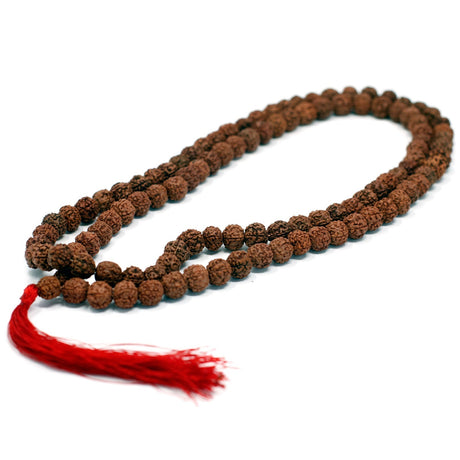
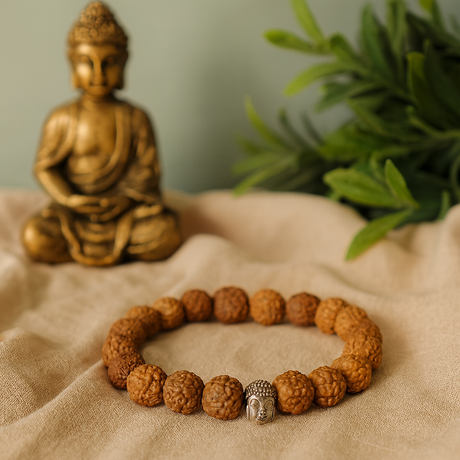
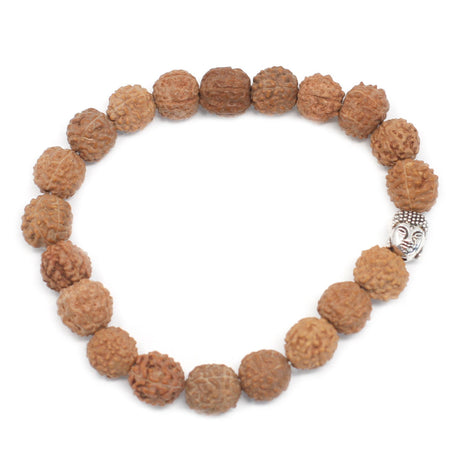
With the incense lit, the mala can come out. Japa, the practice of repeating a mantra or a chosen word once for each bead, is moved entirely by the thumb, one bead drawn toward the palm for every repetition. A 108-bead rudraksha mala runs to the guru bead, where the round completes and the hand turns the mala rather than pressing on past it. The number 108 itself carries more explanations across Hindu, Buddhist and yogic traditions than any one of them can rightly claim: textual, cosmological and numerological accounts sit side by side, and no single origin has settled the matter for good. What is certain is smaller and more useful than any of those explanations: counting a full round of japa by thumb gives an evening a shape it would not otherwise have, a beginning and an end that the mind can feel rather than merely intend.
The Moon Over Water, Elsewhere
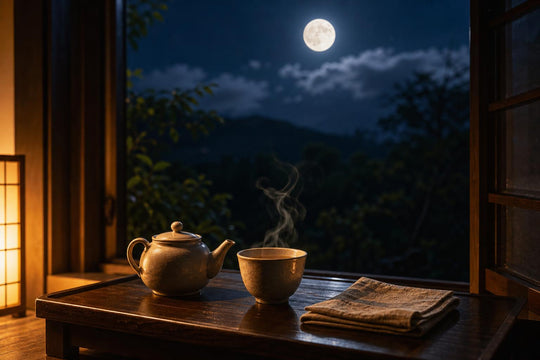
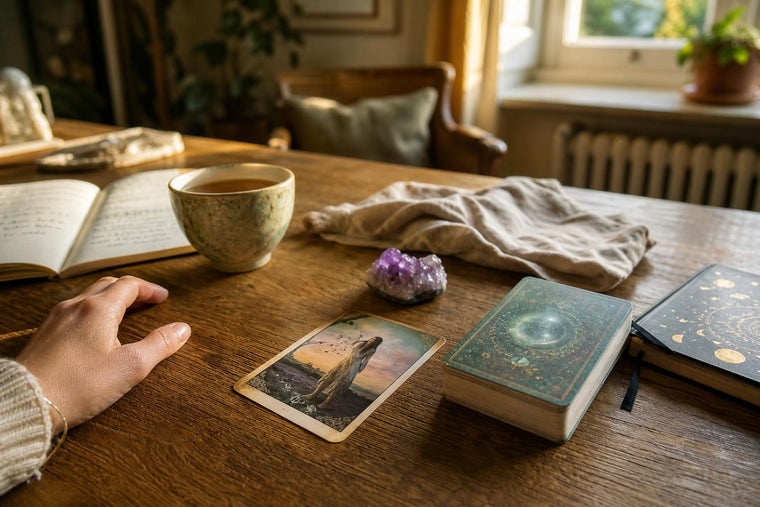
Tea belongs to an entirely different tradition, with no real connection to purnima beyond the same moon overhead. In Japan, Tsukimi is a moon-viewing custom traced to the Heian period, roughly 794 to 1185, when the aristocracy took up a related practice introduced from China's Mid-Autumn Festival. Historical gatherings involved poetry and music, and often the moon's reflection on water rather than the moon itself; tea ceremony and tea gatherings have long been associated with these evenings, and some Japanese temples continue to hold them. There is little reason to merge Tsukimi with purnima into a single borrowed ceremony. They are two genuine precedents, from two separate histories, for the same instinct: that a full moon is worth sitting with, cup in hand, rather than glancing at from a window.
An Order Without a Script
Held together, a full moon evening does not need a set of instructions so much as an order: light, count, drink. The incense goes first, because it marks the start. A round on the mala comes next, because the thumb and the beads give the mind something exact to do rather than something to merely picture. The tea is last, because it is meant to be drunk slowly, on its own, rather than while doing something else at the same time. None of the three needs the others to mean something on a given night; a full evening might use all three, a shorter one might keep only one. Anyone assembling a small corner for evenings like this can look through spiritual tools for a quiet practice and keep only what actually gets used, rather than what merely looks complete on a shelf.
The Beads That Wear Smooth
There is one more thing worth knowing about the mala, and it has nothing to do with counting. Handled month after month, its beads change under the thumb: the surface that started slightly rough softens with use over a run of full moons, a visible record of how many rounds were actually counted rather than merely intended. A mala kept once a year stays much as it was bought. One used at every full moon for a year carries the difference in its beads, in a way no diary entry would show as plainly. The moon returns whether or not anyone marks it; the mala only changes for those who do.