Black tourmaline is the crystal most people reach for first, and it earns that reputation. It is a plain black stone, easy to place on a shelf or carry in a pocket, and it asks nothing of the person new to crystal work beyond keeping it close. But "powerful" covers a lot of ground, and the stone that suits a first protection piece is rarely the one that suits a small flat, a light sleeper, or a gift bought in a hurry. This guide sets out ten stones against real situations, not a bare countdown.
What Are the 10 Most Powerful Crystals?
Ten stones come up again and again in serious crystal work, each carrying its own long-held associations. Together they cover most of what people are actually looking for when they ask this question.
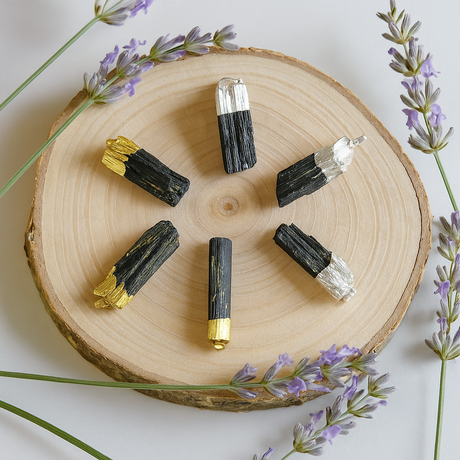
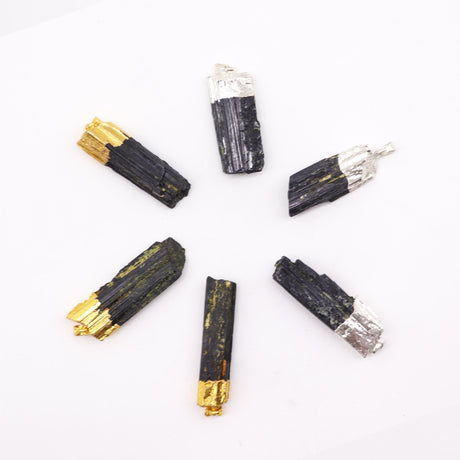
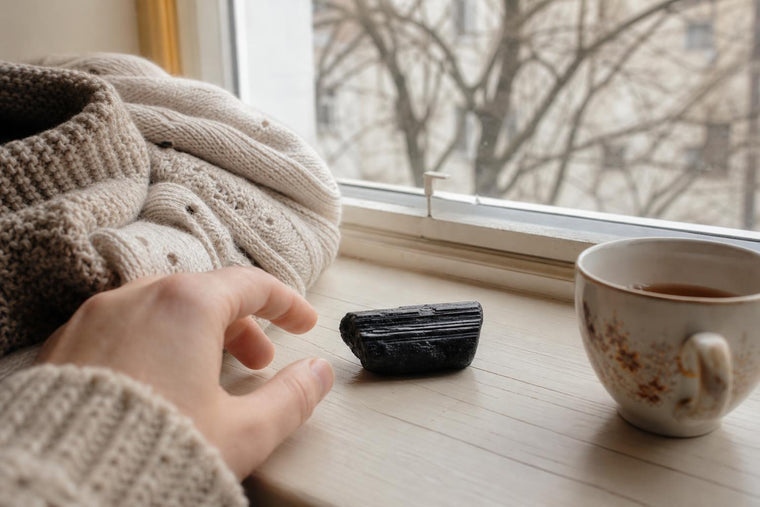
- Black tourmaline: a dense, opaque black stone, the usual first pick for general protection.
- Obsidian: volcanic glass with a sharp, mirror-like surface, associated with confronting what has been avoided.
- Smoky quartz: a soft brown-grey quartz, a gentle grounding stone that suits beginners well.
- Clear quartz: colourless and versatile, often described as amplifying whatever intention it is given.
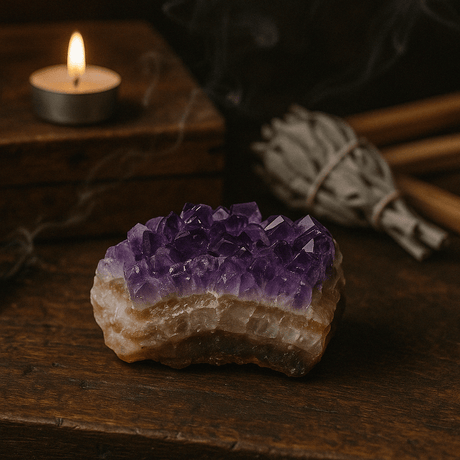
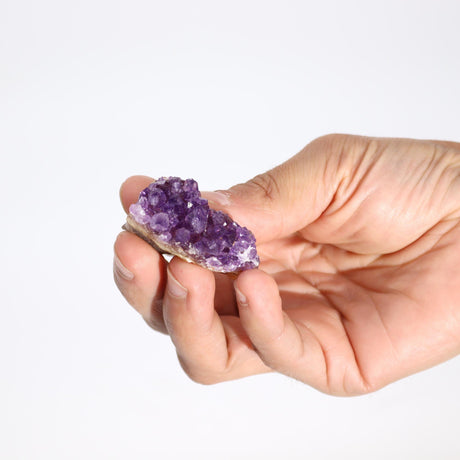
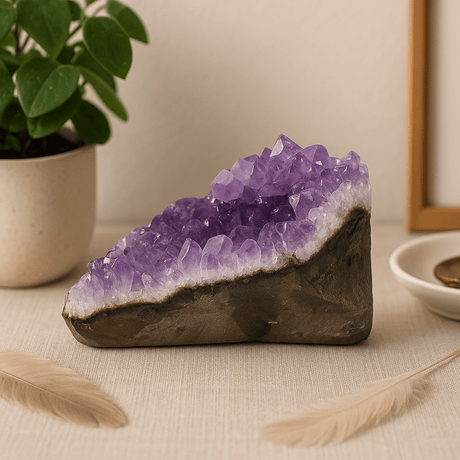
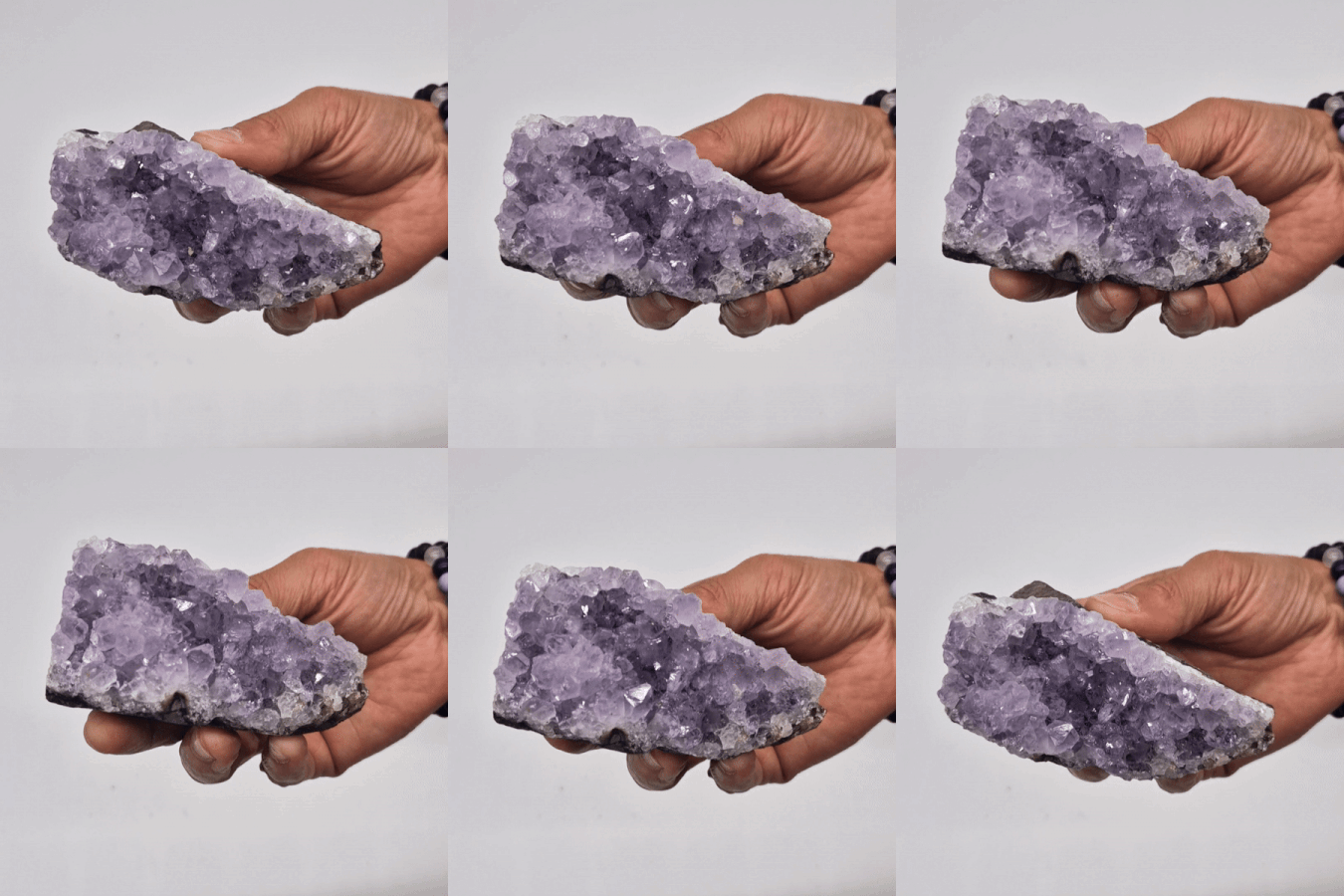
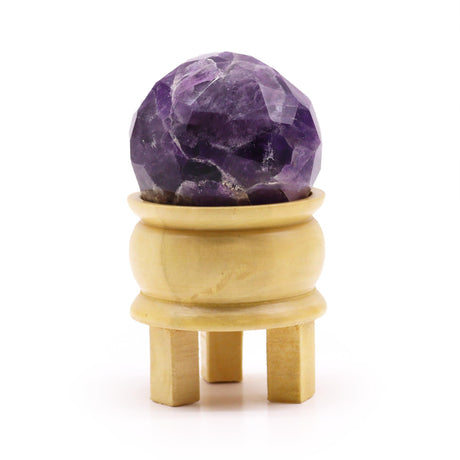
- Amethyst: purple quartz, long associated with calm and with a clearer mind before sleep.
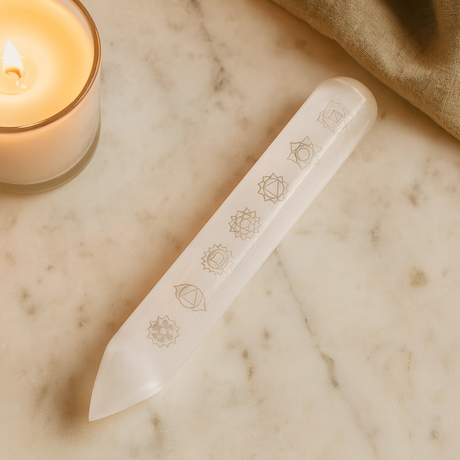
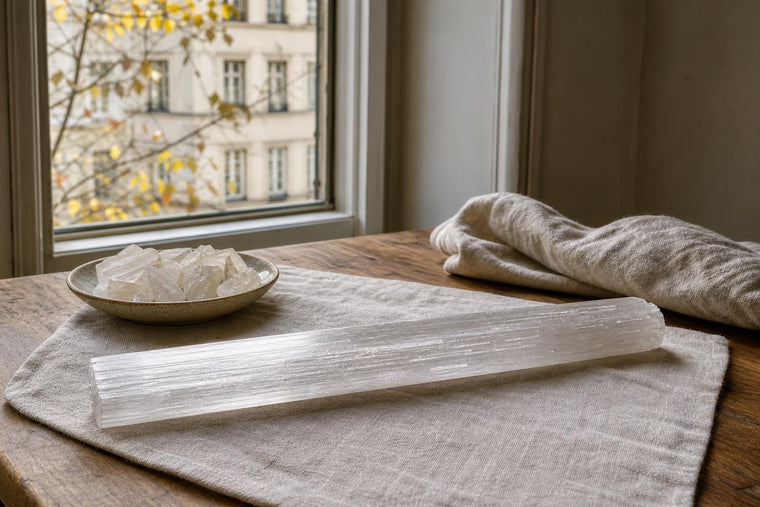
- Selenite: pale, translucent, and light in weight, associated with clarity and used to freshen other stones.
- Hematite: heavy, metallic grey-black, associated with grounding and steadiness.
- Citrine: warm yellow quartz, associated with confidence and with work or study.
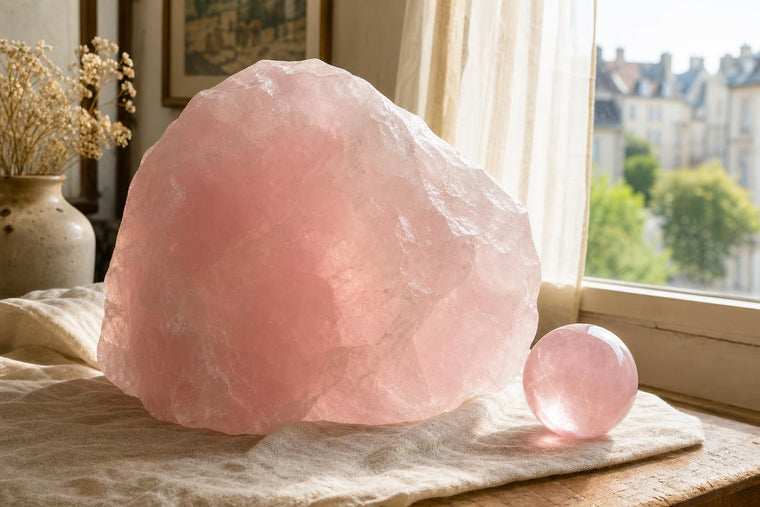
- Rose quartz: pale pink quartz, associated with self-compassion and gentler relationships.
- Tiger's eye: banded gold and brown, associated with courage and steady focus.
The rest of this guide takes four common situations and names the stone that genuinely fits each one, and the one it doesn't.
The Best Protection Crystal for a Beginner
For someone starting out, smoky quartz or clear quartz make more sense than black tourmaline itself. Smoky quartz is a naturally coloured quartz, its brown-grey tone the result of trace minerals within the crystal reacting to natural background radiation over long periods. It is a mild stone: grounding without feeling heavy, and forgiving if you are not yet sure how you want to use it. Clear quartz plays a different but equally beginner-friendly role, often treated as a flexible piece that can be paired with an intention rather than fixed to a single job.
A simple way in is one of the small tumbled stones, kept in a pocket or on a desk, handled when you remember to. This suits someone who wants a single stone that does several things loosely, rather than one thing intensely. It is the wrong choice for someone who already knows they want a strong, single-purpose piece and finds a gentle multi-purpose stone unsatisfying; that person is better served by tourmaline or obsidian from the start.
The Best Crystal for Sleep

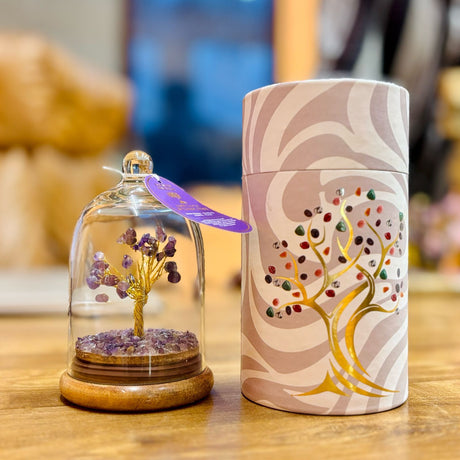
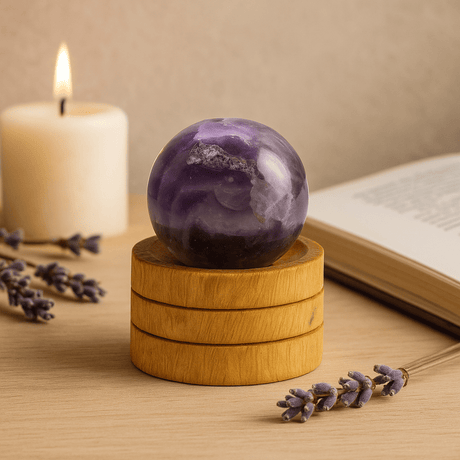
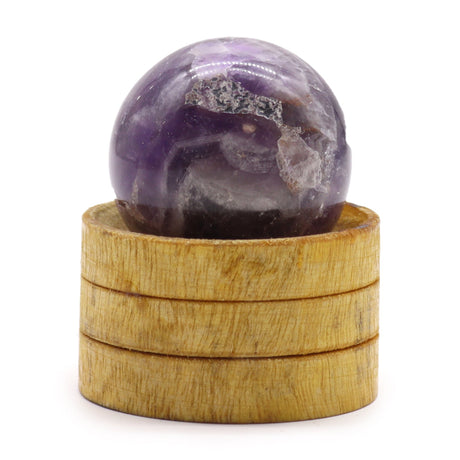
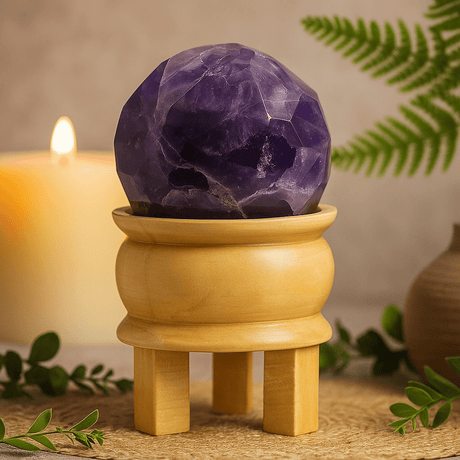
Amethyst is the stone most consistently reached for around sleep and calm. It is a purple variety of quartz, its colour built from trace iron within the crystal combined with natural irradiation, and its Greek-derived name is generally understood to mean roughly "not intoxicated", a long-standing link to sobriety and a settled mind rather than an excited one. That association has carried it, over a long history, into use as a bedside stone: something kept on a nightstand as part of winding a day down, rather than carried through it.
A small Amethyst Bracelet Chip Crystal Stretch works well for this because it can move between wrist and nightstand without ceremony, worn during the evening and set down before sleep. Amethyst suits someone building a slower wind-down routine, the last twenty minutes before the light goes off. It suits that person less well if what they actually want is a stone to carry through a demanding day, in which case tiger's eye or citrine sit closer to the job.
The Best Crystal for a Small Flat

Selenite answers a different problem: not what a stone does, but what it costs in space. It is a crystalline form of gypsum, generally soft and easily marked, and its name is drawn from the Greek word for the moon, a fitting description for a stone that is pale, faintly glowing under lamp light, and almost weightless compared with denser minerals like tourmaline or hematite. Because it is soft, it is usually kept dry rather than washed, wiped rather than rinsed.
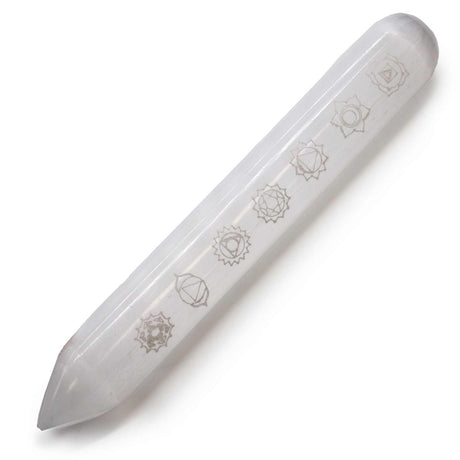
A Selenite Wand 7 Chakra Pointed End takes up almost no shelf space and reads as decorative even before it is used for anything, which makes it the sensible choice where a large stone would simply be clutter. It suits a small flat, a shared room, a desk with no spare surface. It is the wrong stone for someone specifically wanting a grounding, weighty piece to hold; selenite's whole character sits in lightness, and asking it to do heaviness misunderstands what it is.
The Best Crystal Gift Under £25

For a gift bought without a large budget, hematite or a small tumbled obsidian earn their place. Hematite is an iron oxide mineral, metallic grey-black on the surface, but its name comes from the Greek word for blood, a reference to the deep red colour it leaves as a powder or streak even though the polished stone itself looks nothing like that colour. Obsidian, by contrast, is volcanic glass rather than a crystal in the strict sense, formed where lava cools too quickly for mineral structure to develop, which gives it that glassy, almost liquid surface.
Either makes a considered small gift: modest in price, clearly a real stone rather than a token, and easy to explain in a sentence. Comparing weight, size and finish is worth doing before choosing, and the full protection crystals shelf is the simplest way to see hematite, obsidian and tourmaline pieces side by side. This category suits a first gift, a small gesture rather than a grand one. It is the wrong choice for someone who wants to give a genuine statement piece; a modest tumbled stone will read as modest, however good the reason behind it.
Choosing by Need, Not by Rank
None of this makes one stone objectively stronger than another. What changes from person to person is the actual problem: a beginner wanting somewhere to start, a small flat with no room for anything heavy, a difficult stretch of sleep, a gift that needs to feel thoughtful without needing to feel large. A "most powerful" list that skips this question is answering a different one than the person asking it usually meant.
I keep returning to the idea that a stone's value sits less in its rank on somebody's list and more in whether it actually gets picked up, noticed, handled, kept somewhere it will be seen rather than boxed away. The stone that matches your actual day will always do more than the one that simply scores highest on paper.