There are practices that shape us loudly, goals, milestones, achievements. And then there are the quiet ones. The ones done with a cup of tea nearby, in soft morning light, with a pen that moves almost as gently as breath. Journaling belongs to that second kind of growth: the one that doesn’t announce itself, but slowly changes the way we understand our inner world. In a world that moves quickly, it becomes a place where time softens, thoughts settle, and we return to ourselves with honesty and care.
Why Journaling Matters
Writing is a conversation, not with the world, but with the self behind the noise. When we put thoughts on paper, something subtle happens.
- Emotions unclutter.
- Insights rise to the surface.
- Patterns reveal themselves.
- Truth becomes a little easier to hold.
It is self-development not through force, but through gentle noticing.
Journaling reminds us: ‘I am here. I am listening to myself.’ And sometimes that small act is where something starts to shift for you.
Why Writing Settles the Mind
Research into expressive writing suggests that putting thoughts on paper can help people make sense of difficult experiences and feel a little calmer afterwards. We’d frame it honestly: journaling is a tool for self-awareness rather than a cure, and many people find that it helps them unclutter their emotions, notice patterns, and think a problem through more freely.
Long before any research existed, many cultures kept writing as a form of reflection, from the commonplace books of early modern Europe, where readers copied passages worth returning to, to private diaries and daily accounts kept as quiet, grounding rituals. The instinct is old and widely shared.
Even now, the act of writing by hand slows the mind to the pace of the body. It creates presence. It invites stillness. It is, in many ways, meditation in ink.
How to Begin a Journaling Ritual
You don’t need the perfect morning routine or the right words. Just a few minutes and a willingness to be honest. Here are some gentle invitations to begin.
Ask a small question
‘What am I carrying today?’ ‘What do I need right now?’ ‘What moment made me feel something this week?’ Let the answer unfold naturally.
Don’t judge the page
Some days your journal will hold depth. Other days it will hold lists, scribbles, fragments. Both are valid. Both are yours.
Keep a notebook that feels like home
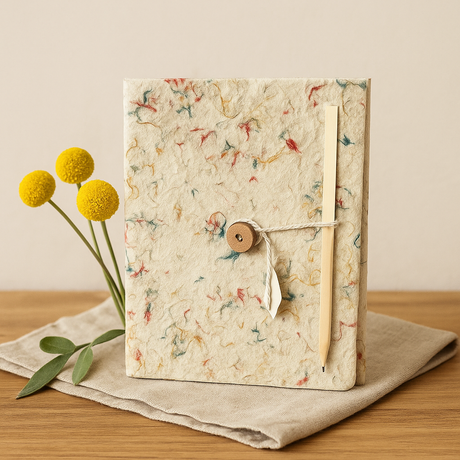
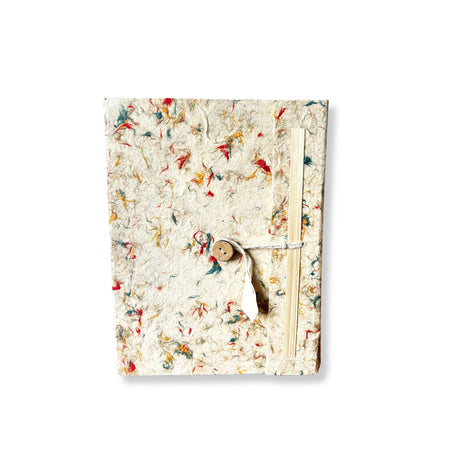
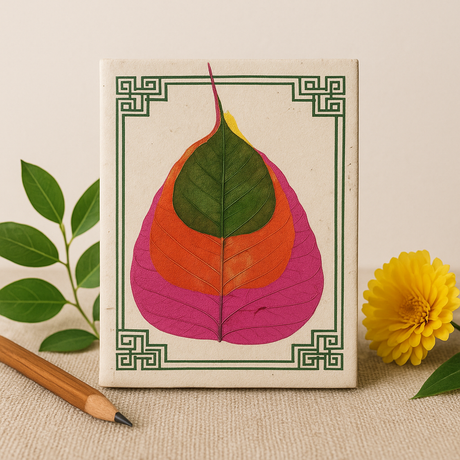
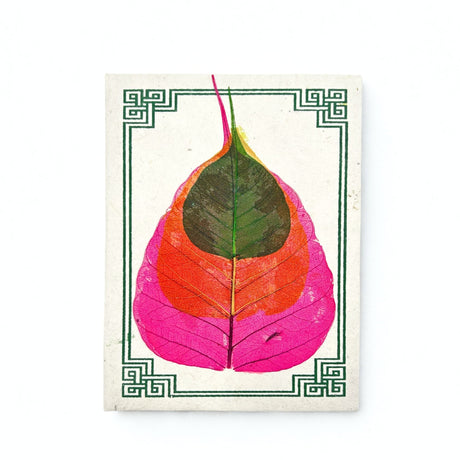
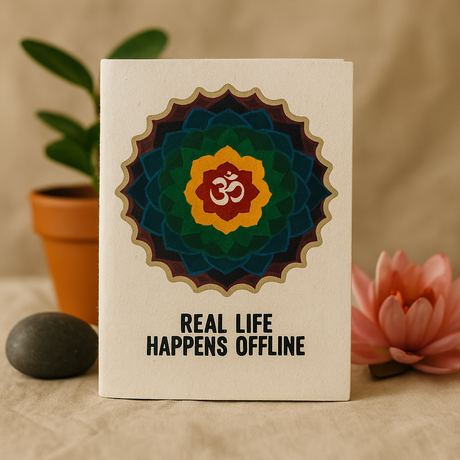
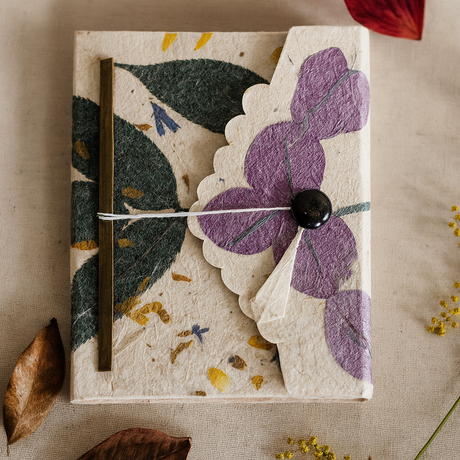
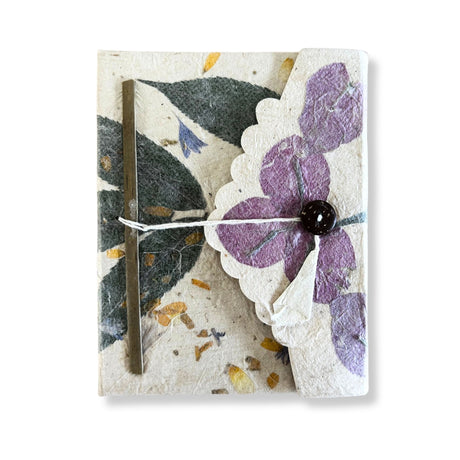
The texture of the paper, the weight in your hand, the quiet design, your notebook becomes a safe, intimate space. A place you return to. A place that returns you to yourself. A handmade Lokta notebook, with its unlined pages and the soft grain of bark-fibre paper, invites exactly this kind of unjudged writing. Keep a notebook that feels like home and the practice becomes easier to come back to.
Make it a ritual, not a task
Light a stick of incense, a warm, grounding scent like sandalwood is a gentle way to mark the shift into reflective writing. Sip your tea slowly. Sit by a window or a warm lamp. A diffuser turning over a few drops of oil works just as well; let the atmosphere guide the mind into softness. These small sensory cues tell the body it’s time to slow down. A single scent you keep for writing, let the atmosphere guide the mind, soon becomes a signal all its own: pick up that note, and the page is already waiting.
How SHAMTAM Notebooks Support Your Inner Journey
Our notebooks are made to be more than stationery, they’re companions to your thoughts and anchors for your rituals, gentle containers for the parts of you that deserve to be seen.
Take the cotton-bound notebook, 20 by 15 cm, 96 pages: a cotton-wrapped cover and handmade-paper leaves, made to feel good under the hand. The format is generous enough for longer entries and forgiving enough for a single line. A quiet corner of paper where your inner world can unfold at its own pace.
Whether you’re beginning a practice or deepening one, your notebook becomes a vessel for self-trust, clarity, and growth.
A Final Thought
Sometimes self-development looks like big steps, bold choices, considered decisions. And sometimes it looks like sitting down with a notebook, letting ink move across a blank page, and meeting yourself exactly where you are.
In that small, mindful act, your story begins to shift.
With quiet intention,
SHAMTAM