There is a moment, just after the flame is blown out, when a thread of smoke begins to rise. It curls, hesitates, then drifts toward the window. In homes where life has slowed a little, that small ritual has become a familiar punctuation mark, a way of closing one part of the day and opening another. Not an escape from the rush, but a gentle invitation to return to yourself.
Among the many aromatic companions you might reach for, Palo Santo and Sage stand out as two of the most loved. Each carries its own story, its own scent, its own way of shifting the feel of a room. The woody sweetness of Palo Santo speaks differently from the sharp, herbaceous clarity of sage.
This piece is not about crowning a winner. It is an invitation to understand these two plants a little more deeply, their origins, their character, their quiet differences, so you can find which one suits your own rhythm and your own way of bringing meaning into an ordinary day.
Understanding slow-living rituals and aromatherapy
Slow living invites us to step back from the relentless pace of modern life and return to what feels essential. It centres on mindfulness, being fully present in the moment, and on intentionality, where an action carries purpose rather than habit. Beneath both sits a quiet sense that we are not separate from nature, but woven into it.
In this kind of day, incense becomes a small bridge between intention and atmosphere. The simple act of lighting a stick or bundle turns an ordinary moment into something more deliberate. As the smoke rises and disperses, it marks the start of a ritual space, morning meditation, evening journaling, or the quiet shift between work and rest.
The pleasure of the aromatherapy benefits goes beyond a lovely scent. Many people find that certain aromas help them:
- settle an overactive mind during meditation or breathwork;
- signal to the body that it is time to change gear;
- create a sensory anchor that deepens the sense of being present;
- mark a clear pause, making room for stillness to take root.
When you weave incense into a slow-living practice, you are not only filling a room with fragrance. You are tending an atmosphere, one where the line between the ordinary and the meaningful begins to soften.
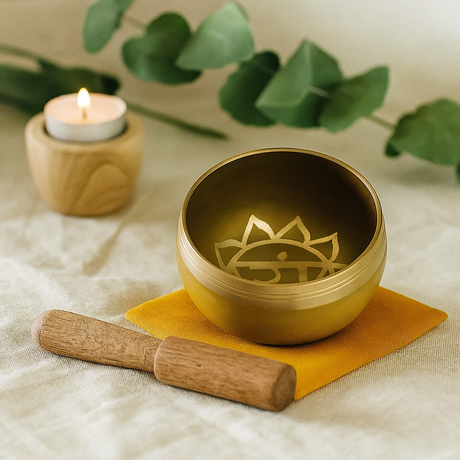
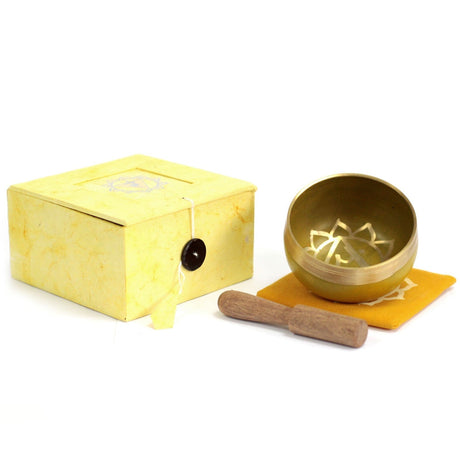
Some like to pair the smoke with sound. A few minutes with one of the singing bowls for energy clearing, the long, low hum settling into the corners of a room, is a natural companion to incense, and a gentle way to mark the beginning of a quiet ritual.
Sage incense: its history and how it is used
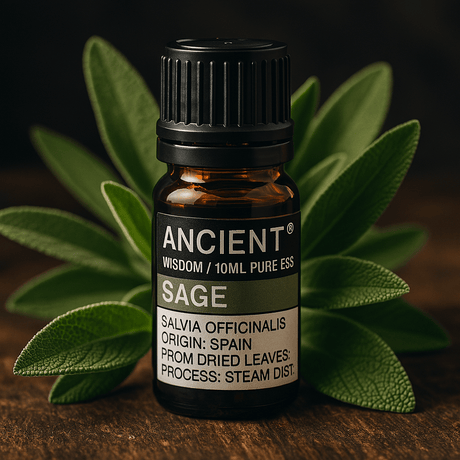
The story of white sage begins with Indigenous North American peoples, for whom this silvery-green plant (Salvia apiana) has been a spiritual companion for many generations. Peoples across the Southwest, from the Chumash to the Lakota, honoured sage as medicine for the spirit, using it in ceremonies that respected the earth and sought balance between the seen and the unseen. Burning sage was a way of carrying prayers skyward through fragrant smoke, drawing a connection between human intention and something larger.
The traditional method: smudging
Smudging, the traditional way of working with sage, is a deliberate act of clearing. The dried bundle, bound with natural twine, releases its smoke in slow spirals once lit. In this smudging practice, the smoke is carried through a space corner to corner. Some pass it gently over their bodies, drawing it toward the heart with cupped hands. Others hold objects, crystals, oracle cards, a meaningful gift, within the smoke, a way of pausing with the object and setting it aside, fresh, for whatever comes next.
The character of the aroma
The aroma asks for attention: sharp, herbaceous, almost medicinal in its intensity. This is not a scent that whispers, it announces itself, filling a room unmistakably. Some find it grounding; others find it a little overwhelming. The smoke creates a sense of seriousness, a feeling that something deliberate is taking place, that the ordinary moment has shifted into something quieter and more considered.
Palo Santo incense: its origin and aroma
The name itself carries a kind of reverence, Palo Santo, ‘holy wood’ in Spanish. This tree (Bursera graveolens) grows wild along the coasts of South America, with Ecuador and Peru among its most treasured sources. For centuries, healers across the Andean region have worked with this wood. By tradition, only wood from naturally fallen branches was gathered, the belief held that the tree’s essence settled and deepened after the branch had rested and dried on the forest floor.
The aroma of Palo Santo
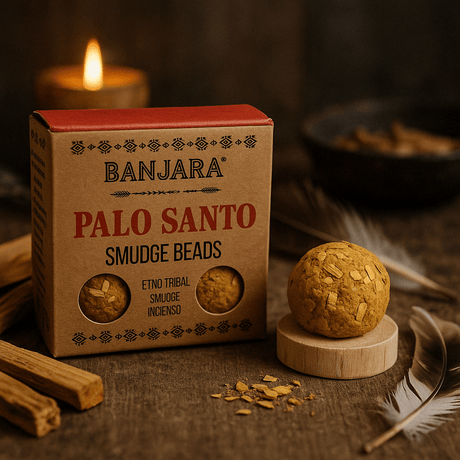
When you light a stick of Palo Santo, the scent unfolds slowly. Sweet and woody at its heart, it carries an unexpected brightness, pine forest after rain, a cooling note of mint that seems to open the breath, a hint of lemon at the edges. That complexity is what makes Palo Santo a favourite for gentler rituals, where the aim is to invite calm rather than to make a dramatic shift.

How Palo Santo differs from sage
The smoke moves differently from sage’s assertive presence. Where sage announces itself boldly, Palo Santo is softer, its fragrance settles around a room like morning light through a thin curtain. The wood’s resinous oils release slowly, and the warmth lingers long after the ember has faded. In this tradition, Palo Santo is paired with a gentler intention: you name quietly what you wish to release and what you wish to welcome, and let the scent hold the note while you sit with it.
Palo Santo and sage: two different moods for your ritual
The two woods are often described as having distinct personalities. Many practitioners describe sage as the more assertive of the pair, a bold reset they reach for when they want to mark a clear before-and-after: after a difficult conversation, at the turn of a season, when a room simply feels heavy and they want to begin again. Think of it as the thorough reset, a blank canvas for the space.
Because sage makes such a full statement, some practitioners describe it as a fuller clearing and like to follow it by warming the space again, lighting candles, playing some music, or burning a little sweetgrass to invite a softer feeling back in. Others find Palo Santo’s lighter touch needs no such follow-up; there is no single right way, only what feels complete to you.
Palo Santo takes a gentler path. Rather than making a grand gesture, many describe it as lifting the mood of a space, leaving it feeling lighter without feeling bare. It is the wood people often reach for on an ordinary morning, when they want a small refresh rather than a deep reset.
The role of intention. With either wood, the practice is yours. The tradition pairs the herb or the wood with a clear intention, and the focus is the point:
- hold a clear purpose as you light it;
- name, aloud or silently, what you are setting down;
- picture the quality you are welcoming in;
- trust your own sense of which one suits the moment.
It is your attention that turns a burning stick into a conscious ritual, not the smoke deciding for you. The object keeps the note; you do the practice.
Bringing Palo Santo and sage into your rituals, safely
The beauty of working with sacred smoke lies not only in the materials, but in the care you bring to the practice. Each one asks for its own approach, its own pace.
Lighting sage bundles
Hold your sage bundle at a 45-degree angle and touch the flame to the leafy end. Let it catch for about 20 seconds, then gently blow out the flame. The bundle should smoulder, releasing a steady ribbon of smoke. If it goes out, simply relight it, sage prefers a patient hand. Move it in slow, deliberate circles, letting the smoke reach the corners and doorways where the air tends to sit still.

Lighting Palo Santo sticks
Palo Santo asks for a slightly different touch. Hold the stick at an angle and let the flame stay on the tip for about 30 seconds, until the wood glows with a steady ember. Blow the flame out softly and watch the ember brighten, that glow is what releases the sweet smoke, in gentle waves. It suits smaller spaces and quieter, personal moments.

Creating a safe space
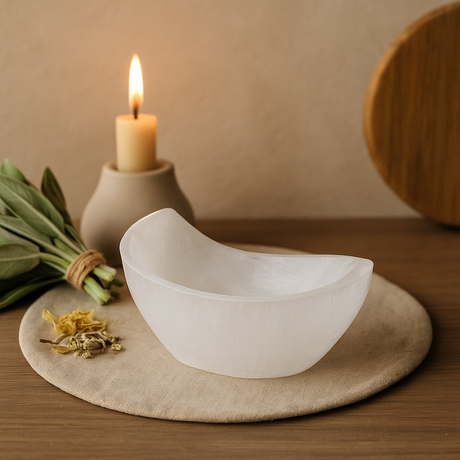
Open a window before you begin, partly for airflow, partly to give the smoke somewhere to go. Keep a heat-resistant dish nearby to catch any falling embers, and rest the stick or bundle there between passes. Move slowly through doorways and corners, and never leave anything burning unattended. Treat the practice with the same care you would give any mindful ritual.
Sustainability: choosing with care for the earth
A ritual deepens when we honour not only our inner landscape, but the earth that provides these tools in the first place.
The challenge with white sage
White sage faces real pressure from commercial demand. Wild populations struggle as harvesters, often without proper permits, strip plants from their native habitats across California and the Southwest. This carries weight beyond ecology: white sage holds deep cultural significance for Indigenous communities who have used it ceremonially for generations. When we buy sage without thinking about its source, we can unintentionally take part in both cultural harm and environmental loss.
Sourcing sage more responsibly
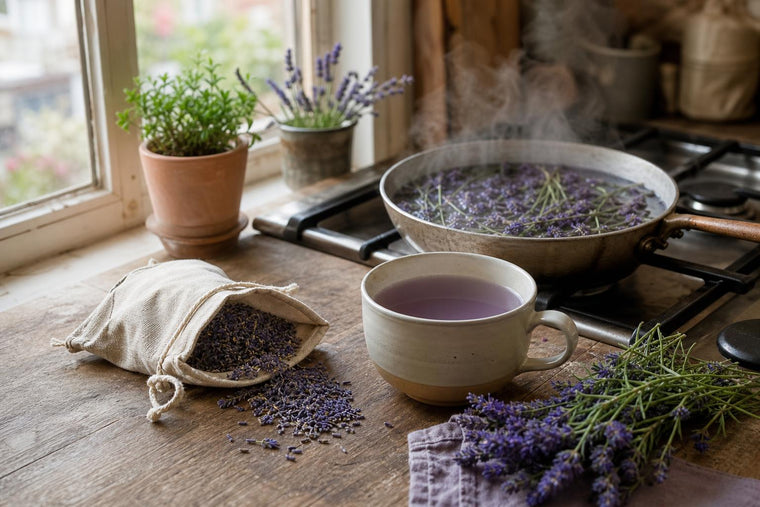
Buying with care means seeking sage from certified growers who cultivate it sustainably, or choosing gentler alternatives, garden sage, lavender or other cleansing herbs that grow abundantly, that lift the pressure on wild populations.
Responsibly sourced Palo Santo
Palo Santo tells a different story when it is sourced well. True care here means harvesting only from naturally fallen branches, wood that has rested on the forest floor for years, developing its aromatic oils through slow, natural drying. This protects the living trees while supporting the forest ecosystems of Ecuador and Peru.
Finding ethical suppliers
Look for suppliers who are transparent about how they harvest and who support reforestation. Some work directly with local communities, ensuring fair payment and traditional stewardship of the land.
So when you weigh Palo Santo against sage, consider not only the aroma or the mood each one creates, but the wider ripple of your choice, the way a small ritual can honour both your own quiet and the wellbeing of the places these plants come from.
Questions people often ask
What is the difference between Palo Santo and sage in slow-living rituals?
They work differently, and the right one depends on what you want from the moment. White sage has a sharp, herbaceous smoke that many people reach for when they want a thorough reset, corner to corner. Palo Santo, ‘holy wood’ from South America, is sweeter and gentler, woody, with notes of pine, mint and lemon, and tends to lift the feel of a space rather than sweep it bare. A useful rule of thumb: sage for a full clearing after a heavy day, Palo Santo for a lighter, everyday refresh.
How do Palo Santo and sage support a mindful practice?
Both support mindfulness by giving you a small, deliberate ritual to return to. Many describe sage as the fuller, more assertive of the two, a clear before-and-after, and some like to follow it by lighting a candle or playing music to warm the space again. Palo Santo’s lighter touch suits daily, gentler moments. In each case it is your attention and intention that carry the practice; the scent simply holds the note.
How do I use sage and Palo Santo safely?
For sage, light the bundle, let it catch for around 20 seconds, then blow out the flame so it smoulders, and move the smoke through your space. Palo Santo is lit in much the same way but needs a patient hand to keep its gentle ember glowing. Open a window before you begin, keep a heat-resistant dish nearby for embers, and never leave anything burning unattended.
Why does ethical sourcing matter when choosing between Palo Santo and sage?
It matters for both the earth and for cultural respect. White sage faces over-harvesting driven by high demand, which affects the Indigenous communities who hold it sacred. Palo Santo should be gathered only from naturally fallen wood, never from living trees. Choosing carefully sourced incense, or gentler, more abundant alternatives, supports long-term environmental health and honours the traditions these plants belong to.
Does setting an intention change how Palo Santo or sage works?
The smoke does what smoke does, but the practice is yours. The tradition pairs the herb or wood with a clear intention: name what you are releasing, picture the quality you are welcoming, and let the ritual hold that note. Whether you light sage or Palo Santo, it is your attention that turns a burning stick into a conscious ceremony, not the other way around.
What does Palo Santo or sage add to a slow-living ritual?
They add an aromatic depth that many find settling, and a small sensory cue that marks a shift in the day. Sage’s pungent, herbaceous smoke suits a deliberate, occasional reset. Palo Santo’s sweet, woody scent, with its hints of pine, mint and lemon, suits a gentler, more regular pause, the kind of moment that brings you back to the present and to a quieter connection with nature.