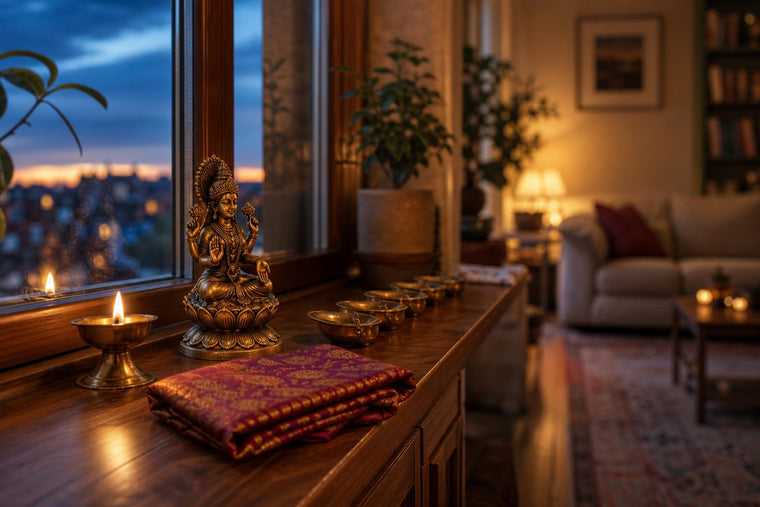
Some revolutions arrive quietly. They do not shout; they whisper. A cup placed softly on a saucer. The brief pause at a window before the day begins. A single bead turning between thumb and finger. This is a piece about small acts, repeated with care, and how they shape a day from the inside out. Our time, our attention, and our kindness are ours to give, not only to spend.
Rituals are not grand gestures. They are small ceremonies that bring intention to ordinary moments. They tell the body it is safe to soften. They mark thresholds, shape mood, and lend rhythm to a day that might otherwise feel like one long blur. Think of them as a quiet way of caring for yourself, repeated often enough that it stops feeling like an effort.
Why tiny practices matter
There is something steadying about ritual. The familiar shape of a thing calms a busy mind, and a sensory anchor gives attention somewhere to rest. Repetition makes it easier to return tomorrow, simply because you returned today. Five minutes of deliberate action can set the tone for the hours that follow.
The secret is not perfection, but fidelity. You keep coming back. Even on the messy days. Especially then.
- Keep it small. Short is sustainable. Aim for one to five minutes, and let the practice grow on its own.
- Make it sensory. Engage touch, scent, sound, taste, the warmth of a cup. The more your senses take part, the more the mind settles.
- Begin and end. Have a clear opening and closing cue. A match struck, a bell rung, a final breath together.
- Place matters. Use a consistent spot so the body learns to relax the moment you arrive.
- Attach meaning. Offer a simple intention, even a single word. Calm. Courage. Kindness.
A ritual is a small hospitality you extend to yourself. A welcome at the door of each moment, repeated until it becomes second nature.
A day shaped by small acts
Picture a day shaped not by the loudest demand, but by a few gentle markers. Morning, midday, evening. Each moment steadied by a ritual that suits its mood. The aim is not to add tasks. It is to make pauses that remake the tasks.
In the morning, steam rising from a favourite cup slows the rush. At midday, a few steady breaths with a calming scent can interrupt the spiral. At night, warm water and a soft cloth carry the day away, and the page carries what remains.
A table of simple rituals
Ritual moment |
Time needed |
Sensory anchor |
Why it helps |
A gentle nudge from SHAMTAM |
|---|---|---|---|---|
Morning tea practice |
4 to 10 minutes |
Warmth, taste, and aroma |
Centres attention and brings softness to the first hour |
Choose a handmade cup, breathe with each pour, and let a little gratitude set the tone for the day |
Aromatherapy pause |
1 to 3 minutes |
Scent and breath |
A small reset for a frayed afternoon |
A drop of lavender or frankincense oil on wrists and palms, then a slow, deliberate inhale |
Face massage |
5 minutes |
Touch and temperature |
Eases jaw, eye and brow tension; a clear signal of safety to the body |
A few drops of face oil and slow sculpting with a stone tool, treated as quiet devotion rather than a chore |
Meditation with incense |
5 to 15 minutes |
Smoke curl and sit bones |
Gives the mind a single thing to follow |
Light Indian or Tibetan incense and follow the breath with each curl of smoke |
Mantra japa |
3 to 12 minutes |
Rhythm and counting |
Soothes looping thoughts through gentle repetition |
Move one bead per breath with a mala, repeating your chosen phrase, no rush and no target |
Bathing ritual |
15 to 25 minutes |
Warmth and buoyancy |
Deep rest and muscle release; a clear transition into night |
Dissolve a bath bomb or mineral soak, dim the lights, no screens, and let the water hold you |
Journalling ritual |
5 to 10 minutes |
Scratch of pen |
Helps feelings settle and clears mental clutter |
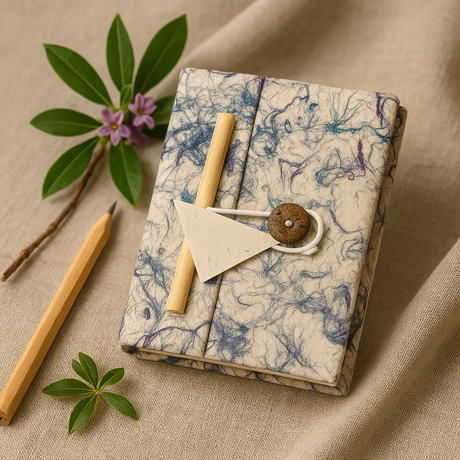
Write three lines by candlelight in a handmade journal, and let the day find its shape on the page |
These are suggestions, not rules. The point is to choose what you will actually keep, and to let a small, consistent set of rituals carry you.
Tea, slowly
Tea can be ordinary, or it can be ceremonial. The difference lies in attention. Choose a handmade cup you love, one with weight and warmth. Listen to the kettle. As water meets the leaves, scent rises. Before you sip, hold the cup with both hands. Feel the heat against your palms. Notice your first swallow and the way your shoulders drop.
Let this be your morning threshold. Before emails, before news, you attend to taste and aroma and the warmth of your morning cup. If time is tight, sit for only two sips in complete stillness. A small pause is still a pause.
SHAMTAM's slow-living approach is built on small acts like this. It is not about grand purchases, but about meaningful touchpoints scattered through the day. A considered cup, an altar cloth that catches a bit of morning light, an incense holder that makes you smile when you see it.

Aromatherapy and the breath
Scent speaks directly to memory and mood. A single drop of essential oil can interrupt a spiral of thought and invite a little steadiness. Place a small amount of oil on your palm, rub your hands together slowly to warm the fragrance, cup them over your nose and inhale. Four counts in. Hold for two. Six counts out. Repeat three times. Over time, this small sequence becomes a place you can return to.
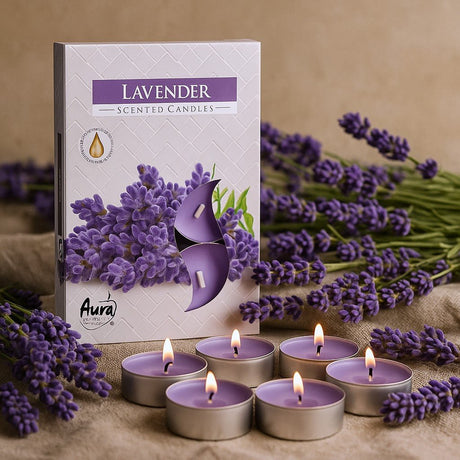
Lavender tends to soften edges. Frankincense feels grounding. Sweet orange brightens a dull afternoon. Keep a tiny bottle at your desk or bedside. An aromatherapy roll-on in a pocket turns queues and commutes into small sanctuaries. For customers across our 31 European markets, certain scents become place markers, quietly tied to a moment or a mood.
Face massage as quiet devotion
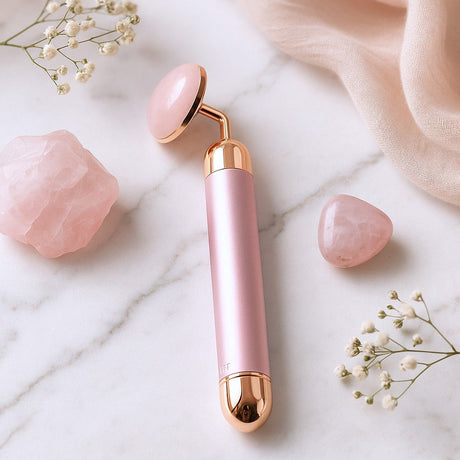
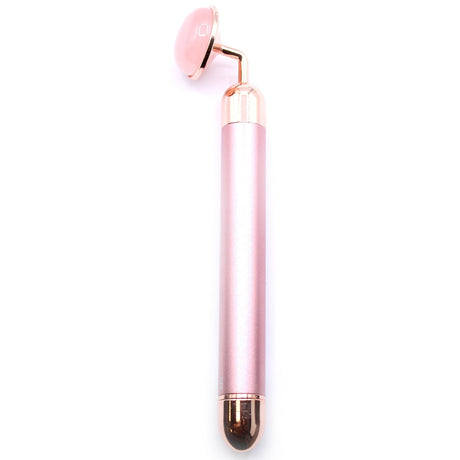
Our faces hold what we will not say. Brows knit, jaw clenched, eyes tired from the blue glow. A few minutes of face massage can change not just the look of the skin, but the whole posture of a day. Add a few drops of natural face oil. Use your fingertips or slow sculpting with a stone tool to glide along the jawline, sweep beneath the cheekbones, and circle gently around the eyes. When you finish, wash with warm water, pat dry, and notice the softness that remains.
Incense, stillness, and the shape of attention
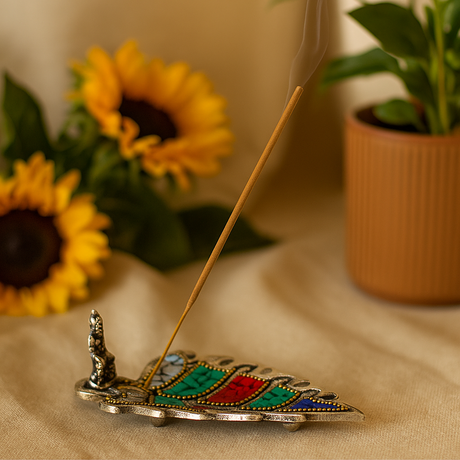
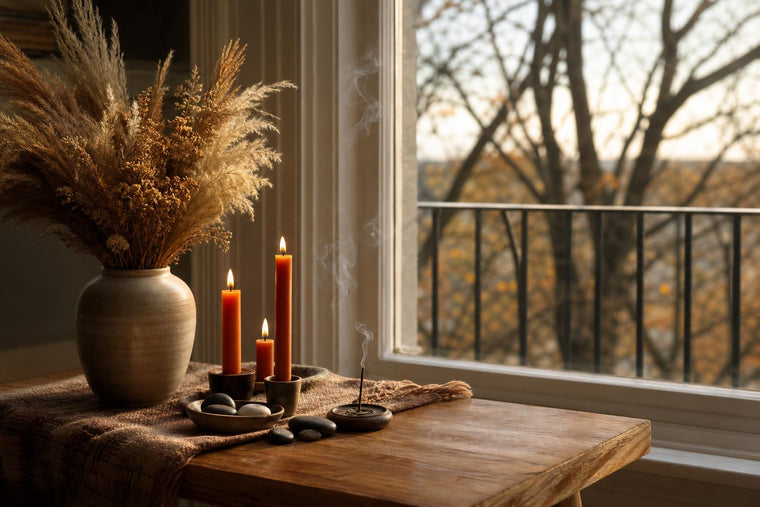
Smoke rises in a way that seems to shorten thoughts. Light a stick of Indian sandalwood or a strand of Tibetan herbal incense. Watch the first curl turn and fade. Sit. Let your spine find its place. With each breath, follow the scent as it appears, peaks, and falls. A few minutes are enough.
Make a space that teaches calm on sight. An altar cloth, a simple holder, one small stone you picked up on a walk. In time, doing nothing here becomes easier. The mind arrives quicker.
Mantra japa with mala beads
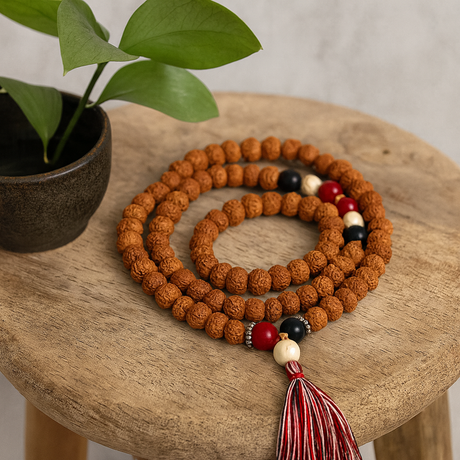
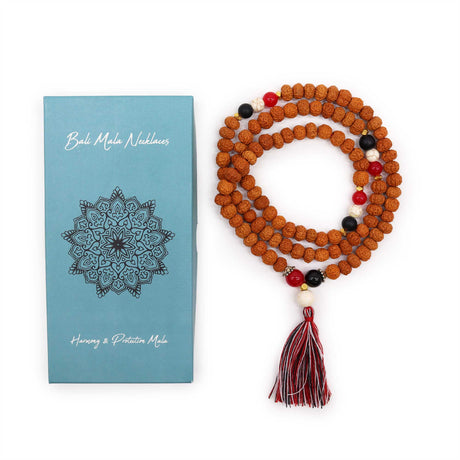
Mantra is a rhythm that steadies. Japa means repetition, bead by bead, word by word. Choose a phrase that suits your season. Peace. I am here. Om shanti. Hold your mala in your right hand, the middle finger moving each bead towards you after a breath or a repetition. Traditionally the index finger is not used to count. No rush. No target. Just one, then another. This practice of mantra japa gives the hands something to do while the mind settles.
The tactile count keeps the mind from floating off. Rosewood or rudraksha beads feel different in the hand, as does the coolness of a gemstone mala. Over time, your mala carries your practice, darkening with your own skin oils, polished by your care.
Bathing as a meeting with water
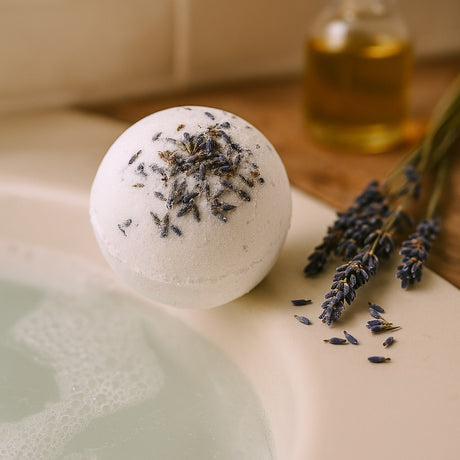
Water receives without asking questions. Dissolve a bath bomb that fizzes slowly, a handful of mineral salts, or a few drops of an essential-oil blend. Dim the lights. Take your time. Let your spine feel held by the water. If a full bath is not an option, a warm foot soak can stand in for it. The message is the same: it is safe to soften.
When you leave the bath, towel slowly. A simple body oil, worked in with patience, makes the ritual linger. The rest that follows is different from the rest that follows scrolling.
On paper, the mind unknots
Journalling turns a passing thought into shape. Some evenings ask for three lines. Others ask for a page. Keep it simple. What coloured the day? What are you grateful for? What will you let go before bed? Writing by candlelight slows the hand and brings a hush. Write three lines by candlelight in a handmade journal and the act feels less like a task and more like an offering. The cover wears with time. The pages collect seasons. Looking back, you see not just words, but a way of caring for yourself.

Make space for the sacred ordinary
Ritual is less about time, more about touchpoints. Scatter them gently through your day and keep them flexible. Life will interrupt. Let your rituals be forgiving and portable. A bead in the pocket. A tiny vial of oil that turns a changing room into a moment of calm. A stick of incense at the end of a long shift that resets the room you have just re-entered.
- Three slow breaths before opening your laptop.
- One cup of tea without your phone.
- A five-minute face massage on Wednesdays.
- Evening incense with the window cracked open.
- Move one bead per breath with a mala when anxiety spikes.
- Three lines in your journal before sleep.
Small things, placed well, change the texture of a day.
Crafting a personal ritual kit
A small basket near your favourite chair can make all the difference. When comfort is within reach, the mind resists less. Over years of curating slow-living tools for thousands of customers across Europe, we have seen how the right objects become anchors rather than clutter. Keep only what you use often and love.
- Incense and holder. A scent that feels like coming home, and a holder that is safe and steady.
- Essential oil. One calming, one bright. A drop of lavender or frankincense oil on wrists and palms can mark a beginning or an ending.
- Mala beads. Wood for warmth, stone for coolness. Pick what invites your fingers to return.
- Journal and pen. A size that fits your hand. Paper that welcomes ink.
- Bath soak or bomb. Minerals for muscle ease, botanicals for mood.
- Soft cloth or face oil. For slow massage and evening care.
- Altar cloth and candle. A simple way to make a corner feel set apart.
At SHAMTAM we think of these as instruments, not ornaments. They do not need to match. They need to serve.
When ritual meets place
Home shapes practice. So does travel. Consider a small travel set for work days or weekends away. One oil, a mini incense tin, a pocket mala, and a slim journal. Ritual continues when the bag is light.
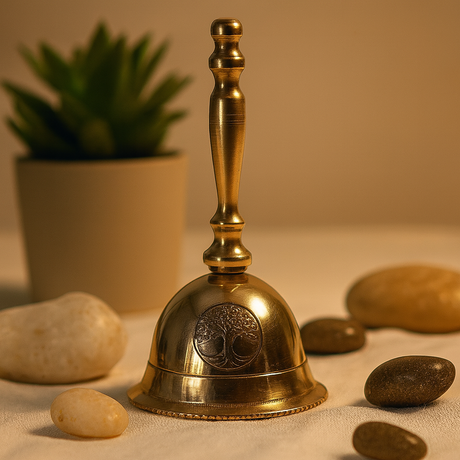
If you share a home, invite others into a family version. A bell rung in the morning that everyone knows means quiet for three minutes. A single candle lit at dinner that signals presence. Children respond beautifully to rhythm and repetition. Ritual can be shared without being complex.
The wider why
There is another reason small acts matter. Every mindful choice is a quiet vote for the kind of life you want. Not a performance, but a practice. When you light incense made in Nepal or India, you are reaching towards a craft and a place where these forms have been made for generations. When you choose natural materials and careful packaging, you are choosing less noise and more meaning. Slow living is not a trend. It is a way of paying attention. It happens cup by cup, bead by bead, breath by breath.
The quiet revolution is unhurried. It happens right where you are.