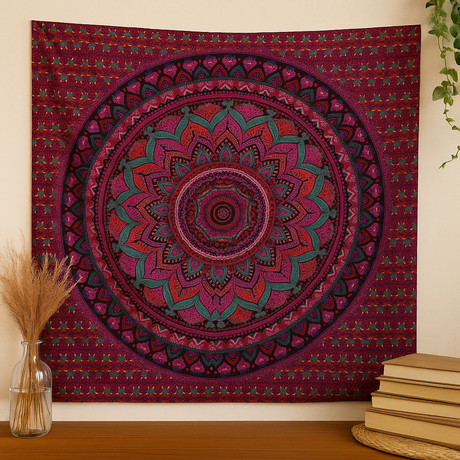
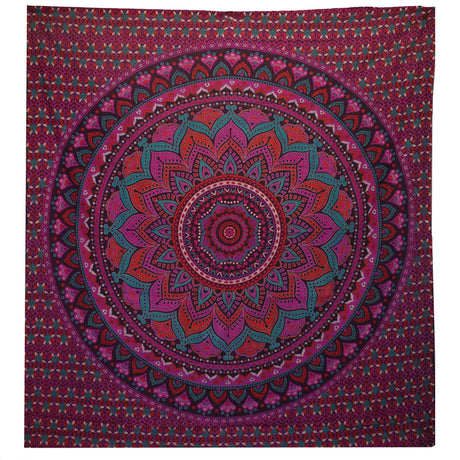
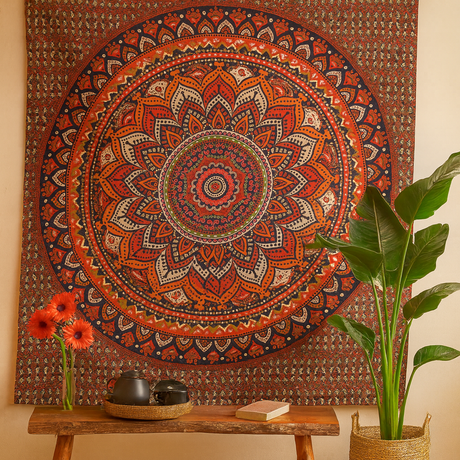
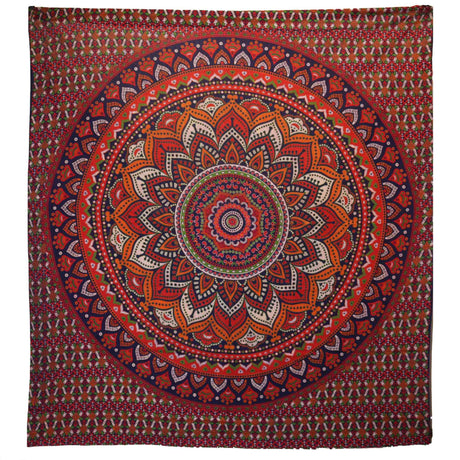
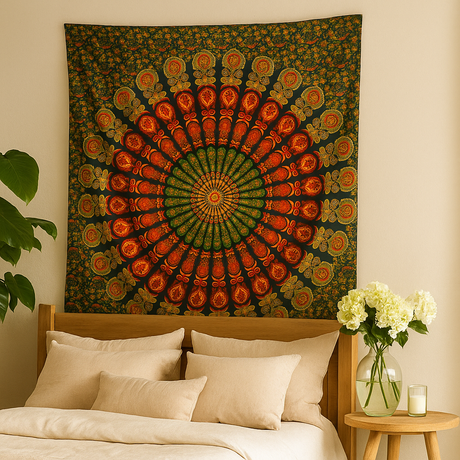
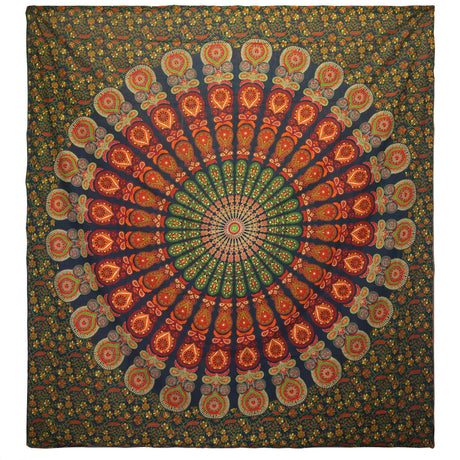
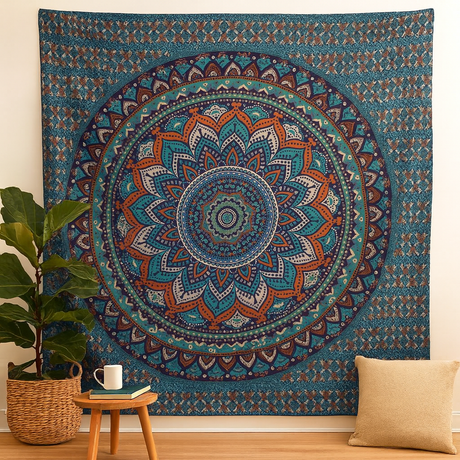
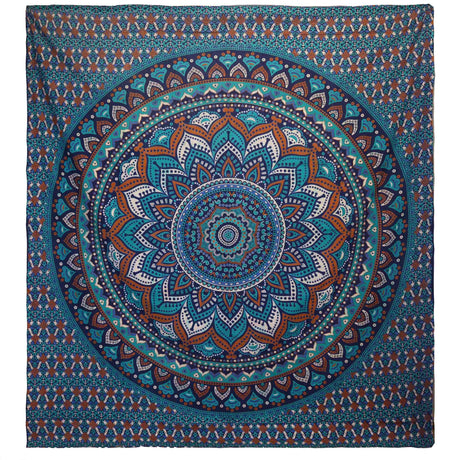
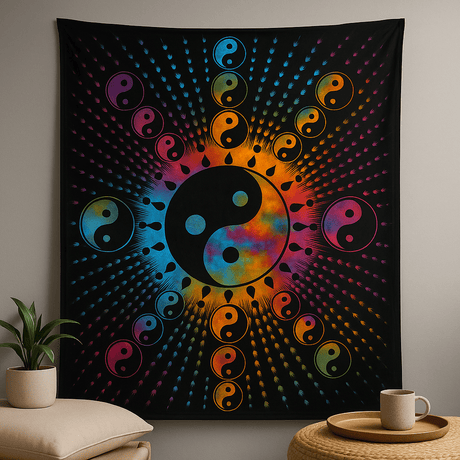
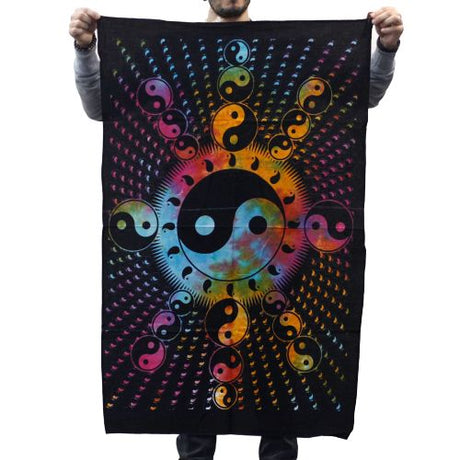
Some rooms hum along quietly. Others have one wall you cannot stop looking at. A psychedelic fluorescent canvas belongs to the second kind, a piece of colour that catches the light, holds the eye and changes the feel of a room. In daylight it reads as a bold abstract; under a UV lamp the colours lift and seem to float. This is a slow look at what these canvases are, how the colour actually works, and how to live with one.
The allure of psychedelic fluorescent art
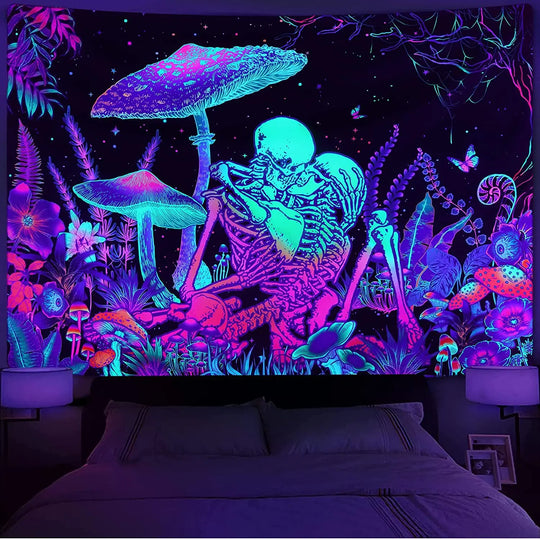
So what is a psychedelic fluorescent canvas? Picture swirls, geometric patterns and explosions of colour that seem to leap off the surface, the visual language of psychedelic art carried in pigments that glow under ultraviolet light. The result is a piece you do not just look at; you notice how it shifts as the light in the room changes through the day.
'Art is not what you see, but what you make others see,' wrote Edgar Degas. A canvas like this leans into that idea: it asks for a second glance, and gives a room a focal point. The pieces on the walls tell stories about the home they live in, and this is one honest way to begin that story.

What a vibrant canvas brings to a room
Why hang a piece like this? A few honest reasons, none of them dramatic, all of them real:
- A focal point. A bold canvas anchors a room and gives the eye somewhere to land, the kind of captivating focal point that quietly starts a conversation.
- A moment of escape. Many people find that sitting with bold, immersive colour offers a small pause from the day, a few minutes of visual escape, nothing more, nothing claimed.
- A nudge to play. Some people find immersive, imaginative imagery a nudge to think more freely, the room becomes a backdrop that invites play.
- Versatility. Vivid canvases blend well with various interior styles, slotting into a minimalist corner or a layered, vibrant aesthetic with equal ease.
The science behind the glow
Where does that glow actually come from? It is fluorescence, and it is worth getting right. Fluorescent pigments absorb invisible ultraviolet light and re-emit it as visible colour. Because they turn UV you cannot see into light you can, the surface looks brighter and more saturated than ordinary paint under the same lighting, though, like all fluorescence, it gives back a little less energy than it takes in.
This effect is called photoluminescence. It is what makes the colours read as luminous rather than flat, and it is the glow that gives these pieces their character. The pigments are made for high saturation and a vivid glow; like most fluorescent colours they last best out of direct sunlight (see care below).
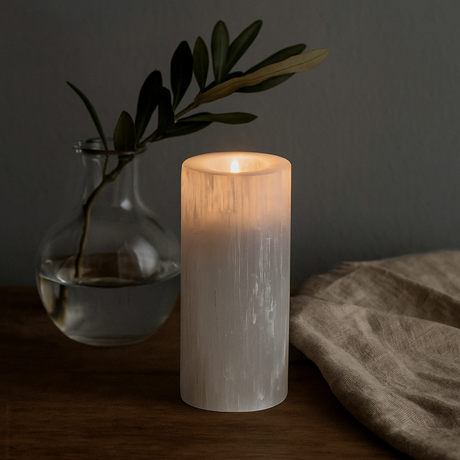
You can lean into the effect with the right lighting. Adding lighting with UV sources, like black lights brings out the depth in the pattern, while warmer ambient sources nearby soften the whole display. A candle or two can amplify the intensity of the fluorescence by setting a low, glowing backdrop for it. The point is simple: light is part of the artwork here, not just a way of seeing it.
Caring for your canvas
Keeping the colour vivid is straightforward.
- Keep it out of direct sunlight, prolonged sun dulls fluorescent pigments over time.
- Dust it gently with a soft, dry cloth rather than a damp one.
- Handle the corners with care when you move or rehang it.
Treated kindly, the colours stay vivid for years.

Bringing colour into your space
SHAMTAM stocks a range of vivid wall art, cosmic landscapes, abstract patterns, or ethereal visions across canvases, cotton hangings and mandala tapestries. Whether you want a single statement piece or a quieter splash of colour, browse the collection and find the piece that resonates with you and fits the space you have.
A canvas is, in the end, just colour on a wall, but the right one can change the feel of a room every time the light shifts across it.