There is a moment, just before you light a candle or warm a drop of oil, when the day seems to pause. The room is the same room, and yet something is about to change in it. This is where scent does its quiet work, not by altering the world, but by inviting you to meet it a little more slowly. In the chakra tradition, every part of us has its own note, and aroma is one of the gentlest ways to return our attention to it.
This is a slow walk through the seven chakras and the aromas traditionally paired with each, a guide to building small, sensory rituals rather than a promise of transformation. The scent sets the tone; the attention you bring is what makes it a practice.
Understanding chakras and their connection to scent
Our bodies are more than physical matter. According to ancient Indian spiritual traditions such as Yoga, Ayurveda, and Tantra, a subtle system of energy moves through us, keeping us alive and present. This energy is said to gather at seven key points along the central channel of the body, from the base of the spine to the crown of the head, the chakras. The word 'chakra' comes from Sanskrit and means 'wheel', a turning point where energy is said to flow.
Each chakra is linked in this tradition with a particular colour, an element, and a quality of being. There is also a real physiological reason scent can shift how we feel. When we breathe in an aromatic oil, the molecules reach the olfactory receptors and send signals to the limbic system, the part of the brain tied to emotion and memory. That is why a single note can settle a racing mind or lift a heavy mood within moments.
In the chakra tradition, each centre is then paired symbolically with certain aromas, a framework for choosing a scent with intention rather than at random. We keep the two ideas honestly apart: the limbic link is the physiological reason a scent moves us; the chakra pairing is a traditional, symbolic lens for the practice. Held together, they make a simple ritual you can return to.
Here is a closer look at each chakra and the essential oils traditionally associated with it, offered as scents you can return to rather than remedies that act upon you.
Root chakra (Muladhara)
Description
The root chakra is described as the foundation of the energetic system, the seat of stability, security, and grounding. In tradition it is linked to our basic survival needs and primal instincts. When it feels unsettled, the tradition speaks of fear, insecurity, or difficulty meeting change.
- Colour: red
- Element (traditionally): earth
- Aromas: vetiver, with its earthy, grounding scent, is a fitting note to return to when you want to feel steady and safe. Cedarwood offers a similar earthy quality, often reached for to encourage a settled sense of purpose and connection to the ground beneath you.
Sacral chakra (Svadhisthana)
Description
The sacral chakra is associated with creativity, sensuality, and emotional life. Tradition calls it the seat of the creative life force, linked to pleasure and a sense of abundance. When balanced, it is said to allow for open emotional expression and a fuller enjoyment of life's sensory pleasures.
- Colour: orange
- Element (traditionally): water
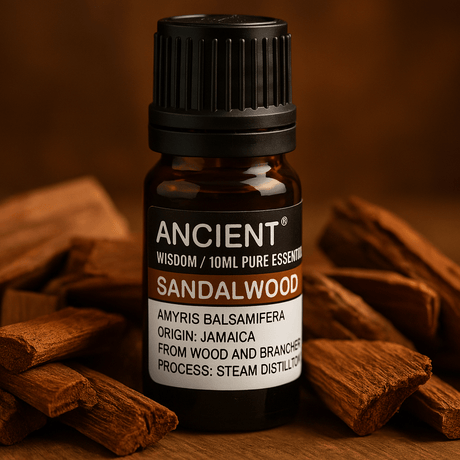
- Aromas: ylang-ylang, sweet and floral, is traditionally paired with this centre to support emotional balance and a sense of connection. Sandalwood, warm and woody, is a scent to sit with when you want to feel creative and emotionally open.
Solar plexus chakra (Manipura)
Description
The solar plexus chakra is described as the seat of personal power, confidence, and self-esteem, sometimes called our 'power centre', where a sense of identity and willpower is said to take shape. When it feels low, the tradition speaks of self-doubt, indecision, or being overly hard on oneself.
- Colour: yellow
- Element (traditionally): fire
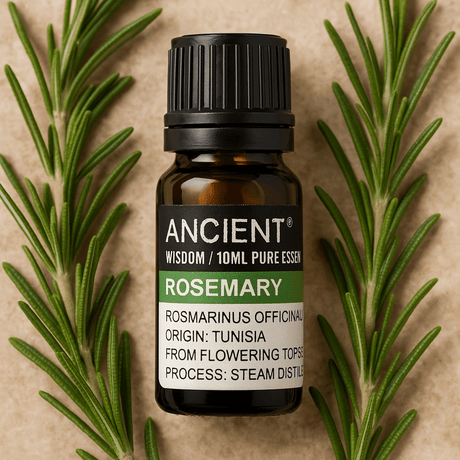
- Aromas: lemon, bright and citrusy, is a lively note to reach for when you want to feel a little more sure of yourself. Rosemary, with its clear, stimulating aroma, is traditionally paired here to support motivation and a sense of resolve.
Heart chakra (Anahata)
Description
The heart chakra is the centre of love, compassion, and empathy, our capacity to give and receive warmth, and to feel connected to others. When it feels guarded, the tradition speaks of difficulty forgiving, a sense of isolation, or holding love at arm's length. It is often described as a bridge between the lower chakras, rooted in material life, and the higher ones, turned toward the spiritual.
- Colour: green
- Element (traditionally): air
- Aromas: rose, deeply floral and emotionally uplifting, is the classic heart note, a scent to return to when you want to feel tender and open. Bergamot, with its calming citrus brightness, can ease a tense moment and encourage a sense of peace.
Throat chakra (Vishuddha)
Description
The throat chakra governs communication, self-expression, and creativity. A settled throat chakra is said to let us speak clearly and honestly, while staying open to others. When it feels blocked, the tradition speaks of difficulty saying one's truth, shyness, or a sense of going unheard.
- Colour: blue
- Element (traditionally): ether (space). Sound is the throat chakra's associated expression, with 'HAM' as its traditional seed-mantra.
- Aromas: peppermint, clear and minty, is a refreshing note to reach for when you want a clear head and steady words. Aromatherapy tradition also turns to chamomile here, its soft, calming scent can ease the nerves that get in the way of speaking up.
Third eye chakra (Ajna)
Description
The third eye chakra is associated with intuition, insight, and inner wisdom, the capacity to see beyond the surface of things. A settled third eye is said to bring clear vision and a quiet sense of inner knowing. In yogic tradition the third eye is linked to inner insight and a vivid imaginative life, a lens for self-reflection rather than a promise of anything supernatural. When it feels clouded, the tradition speaks of mistrusting one's own sense of things, closed-mindedness, or feeling out of touch with oneself.
- Colour: indigo
- Associated with: light and mind (a modern attribution; in the classical five-element system Ajna sits beyond the gross elements)
- Aromas: lavender, calming and balancing, encourages the kind of relaxation and inner quiet many find conducive to reflection. Frankincense, grounding and uplifting at once, is traditionally reached for to support focus and clarity.
Crown chakra (Sahasrara)
Description
The crown chakra is the highest of the seven, described as our connection to the spiritual and the divine. Often called the gateway to something greater than ourselves, it is associated with a sense of oneness and quiet peace. When it feels distant, the tradition speaks of disconnection, a loss of purpose, or a cynical view of the world. A sense of spiritual fulfilment is said to be its gift.
- Colour: violet
- Associated with: spirit (a modern attribution; in the classical five-element system the crown sits beyond the gross elements)
- Aromas: frankincense, uplifting and resinous, is the classic crown note, a scent to sit with in moments of stillness and connection. Myrrh, grounding and centring, is traditionally paired with it to deepen a sense of spiritual awareness.

Bringing scent into your chakra ritual
Now that you have a feel for which aromas are traditionally paired with each chakra, you can fold them gently into your own care. None of this is a switch to flip, it is a practice to build, slowly. A few ways to begin:
- Diffusion: add a few drops of oil to one of our aroma diffusers and let the scent settle into the room while you breathe slowly.
- Topical application: dilute the oil in a carrier oil like jojoba or almond oil, then dab it on pulse points such as the wrists or temples. Always dilute before applying to skin, and patch-test first.
- Bathing: stir a few drops into a warm bath and let the steam carry the aroma, a small, restorative ritual at the end of a day.
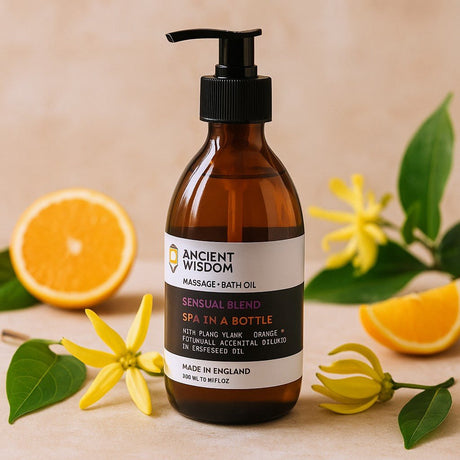
- Massage: blend the oil into a carrier to make a simple massage oil, something to return to when you want to slow down and feel more at home in yourself.

A scent to return to
Folding aromas into your day is less about fixing anything and more about marking it, giving your attention a place to land. The more time you spend with these scents and the chakra framework, the more attuned you become to the small shifts a single note can bring. Take it slowly, follow your nose, and let the ritual become yours.
When you are ready to begin, explore SHAMTAM's essential oils and pair them with our Chakras Crystals to build a practice that engages more than one sense at a time.