You know the feeling. A quiet pull towards one choice over another, arriving before you can explain it. We tend to call it a sixth sense, but it is less mysterious than that, and rather more useful. It is the quick read your mind makes from years of accumulated experience, surfacing as a hunch before you have words for it. This piece is about noticing that signal more often, and learning when to trust it.
What we mean by a sixth sense
Intuition is not an extra sense organ, and it is not a glimpse of the future. It is rapid, below-conscious pattern recognition. Your mind has gathered a great deal over the years, and a hunch is often that knowledge reaching you faster than reasoning can.
Picture a negotiation where something felt off long before you could say why. Later you realise you had registered a tell, a pause, a glance, without consciously naming it. That is intuition at work: not a prediction, but your subconscious noticing a cue and nudging you to pay attention. It is one experience among many, not proof of anything; treat it as information to weigh.
Understood this way, the sixth sense becomes far less elusive. It is a faculty you can pay attention to, test, and gradually come to read more clearly.
Sharpening intuition for everyday decisions
Can this quiet inner read be deliberately developed? It can. Intuition is not only something you are born with, it is a skill that grows with attention. With practice and a little patience, you can notice the signal more readily and learn, over time, which hunches tend to hold up. Much of it comes down to tuning in to your inner voice and giving it room to be heard alongside your reasoning.
Reconnecting with your inner voice
Sharpening your intuition is less about acquiring something new and more about reconnecting with a quieter part of your attention, often drowned out by the noise of the day. Here is an unhurried way to make space for it.
- Meditate. Set aside a little time for stillness, quieting the mental clutter through meditation clears room, so a quieter signal can reach you above the day's noise.
- Trataka (gazing meditation). A traditional yogic concentration practice: focus your gaze on a single point, like a candle flame, to steady your attention and settle the mind.
- Return to nature. Spend time outdoors. The simple rhythm of being outside can help you synchronise your inner pace with the world around you, and slow you down enough to listen.
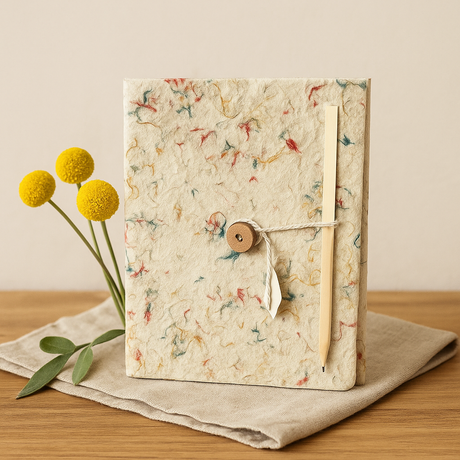
- Dream journaling. Dreams can offer glimpses of what is turning over below the surface; jotting them down sometimes surfaces a pattern you would otherwise miss. It helps to keep a journal by your bed to record your dreams on waking, before they fade.
- Pranayama (breathwork). Another yogic practice, slow, controlled breathing settles the nervous system and quietens mental chatter, which can make it easier to notice a quieter inner signal.
- Notice the impressions. Pay attention to what a room or a person leaves with you. Your subconscious may be registering cues you have not consciously named. Treat these impressions as information to weigh, not verdicts.
Developing intuitive awareness
- Mindful sensory experiences. Bring full attention to ordinary tasks. Eating, walking, even showering with real awareness can sharpen how attuned you are.
- Anomalies as cues. Notice when something feels out of place or catches your attention unexpectedly. These small flags can be worth pausing on before you decide.
- First impressions in company. Notice your first response when you meet someone, then check it against what you actually know. Where feeling and observation diverge, it is worth asking why, intuition works best alongside reason, not instead of it.

Cultivating your intuition
- Creative pursuits. Painting, writing, music, absorbing, open-ended activities can quiet the analytical mind and let a hunch surface.
- Testing your hunches. Begin with small, low-stakes decisions. Follow the hunch, watch what unfolds, and adjust, this is how you learn which signals tend to be sound.
- Reflect on past experiences. Look back at times you followed or ignored a hunch. There is a lot to learn from both, and it sharpens your reading for next time.
Practical exercises for everyday intuition
- Change your routine. Shifting a daily habit breaks you out of autopilot and makes you pay closer attention, which is where hunches tend to show up.
- Journal reflections. Writing about your day, even a few lines of reflective writing before bed, can surface a thought you would otherwise miss in the bustle.
- Query and contemplate. Sit with a question, notice your first response, then check it against what you actually know. Intuition works best alongside reason, not instead of it.
- Stay open, not impulsive. When a hunch arrives, give it a moment rather than acting on the instant. Weigh it, then decide, that is how you learn to read it well.
- Trust, gently. Doubt can drown out a quiet signal, but so can blind certainty. Treat your intuition as one trusted voice among several, built from your own experience.
Woven into ordinary life, these small practices give the quieter signal more room to reach you. Some pair naturally with a calmer evening: open up your breath with a calmer evening ritual, or let the meditative pull of incense as you settle in mark the close of the day. The more you listen, and the more honestly you check what you hear against what happens, the clearer your reading becomes.

Intuition: a few common questions
What is developing intuition?
It is learning to notice, and gradually trust, the fast read your mind makes from accumulated experience, the sense of something before you have reasoned it through.
How can I improve my intuition?
Mindfulness practices help, meditation in particular makes it easier to notice the quieter cues your subconscious is already picking up.
What exercises strengthen intuitive skills?
Anything that builds attentiveness. Observing your thoughts without judgement, reflective journalling, or absorbing creative activities all give the signal more room.
Can intuition be trusted when making decisions?
Yes, as one input. It is most reliable in areas where you have real experience, and it works best checked against the facts. In unfamiliar situations it can mislead, so pair it with reason and good judgement rather than letting it decide alone.
Does intuition grow stronger with practice?
It tends to. Like any kind of attention, it grows clearer the more room you make for it, and the more honestly you notice which hunches turn out to be sound.
How does intuition reach us?
Often as a gut feeling, a quiet sense of knowing, a physical response, or a theme that keeps surfacing in your thoughts or dreams.
A closing thought
The gentle nudge of an inner read is easy to miss in the constant buzz of the day. Much of this work is simply quieting the outside enough to notice the signal within.
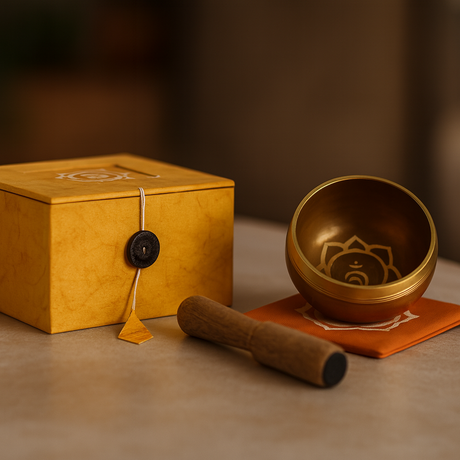
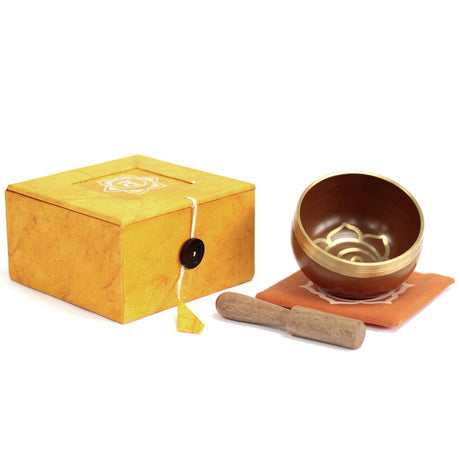
Some find a small object helps hold the quiet a moment longer, the long fade of the long fade of a singing bowl to settle into stillness, or let a stone keep the note of your intention as you sit. The attention is always yours; the object only holds the space for it. You might also carry a contemplative practice into the day with mala beads, returning to the breath whenever the day pulls you away.
So pause, listen, and give the quieter signal room to be heard. Treated as one trusted voice among several, and checked, over time, against what actually happens, it becomes a steadier companion in everyday choices.