Buddha's Teachings: A Comprehensive Guide in 10 Minutes 🌸

By Alex Pervov · 31 January 2024 · 8 min read

Buddha's Teachings: A Comprehensive Guide in 10 Minutes 🌸 - SHAMTAM

Some ideas are old enough to have worn a groove into the world. The Buddha's teachings are among them. They began on a road in northern India two and a half thousand years ago, and they are still here — in a quiet morning sit, in the resolve to speak more kindly, in the small decision to slow down. This is a gentle overview of where those teachings came from and what they ask of us, offered as cultural and historical context rather than as a creed to adopt. Read it for what is useful to you, and leave the rest.

The early life of Siddhartha Gautama

The man who became Siddhartha Gautama, the Buddha, is traditionally dated to around the sixth to fifth century BCE (commonly c. 563 BCE). He was born in Lumbini, a small kingdom below the Himalayan foothills in what is now Nepal, into the royal family of the Shakya clan. By every account, his early life was one of comfort and protection, kept well away from the ordinary struggles of ordinary people.

His father, the story goes, had been told of a prophecy that the boy might one day become a great spiritual teacher. To hold him to the throne instead, he kept the young prince inside the palace walls, surrounded by ease and trained in the skills befitting his station. For a time, it worked.

Then, at twenty-nine, on excursions beyond the palace, Siddhartha encountered what tradition calls the Four Sights: an old man, a sick man, a corpse, and a wandering ascetic. The first three confronted him with the truths he had been shielded from all his life — that we age, that we fall ill, that we die. The fourth, the ascetic, carried himself with a settled calm in the face of all this. That contrast unsettled him deeply.

In the telling, these sights changed everything. They opened a question he could not put down: why do we suffer, and is there a way through it? It is the question that led him to leave his royal life behind and set out on the long search that the tradition remembers as the beginning of Buddhism — a path that has guided millions in their own search for meaning and steadiness ever since.

A row of traditional Buddhist prayer wheels, cylindrical and elaborately decorated, set in a serene temple setting

The Four Noble Truths

In Buddhist teaching, the Four Noble Truths are the foundation — a clear-eyed framework for understanding suffering, where it comes from, and how it might ease. They are less a doctrine to believe than a sequence to sit with.

  1. Dukkha (suffering) — that life holds suffering. Not only the sharp pains of illness, ageing and loss, but the subtler ache of impermanence and the quiet dissatisfaction that follows even our pleasures.
  2. Samudaya (origin) — that this suffering has a cause, found in craving and attachment. The tradition holds that clinging to pleasures, possessions, even our own opinions, sets us up to suffer, because all of it shifts and passes.
  3. Nirodha (cessation) — that the suffering can end. By loosening our grip on craving, the teaching offers a release it calls Nirvana: the cessation of suffering and a deep, lasting peace.
  4. Magga (the path) — that there is a way to walk towards that release: the Noble Eightfold Path, a practical guide to ethical and mental development covering right understanding, intention, speech, action, livelihood, effort, mindfulness, and concentration.

'The root of suffering is attachment.' — a teaching attributed to the Buddha

The Eightfold Path

If the Four Noble Truths name the problem, the Eightfold Path is the working answer — eight strands of practice, woven together rather than climbed in order, that the tradition offers as steps towards freedom from the cycle of suffering.

  1. Right understanding — seeing the Four Noble Truths clearly.
  2. Right intention — turning the mind towards kindness and away from harm.
  3. Right speech — speaking truthfully, and not to wound.
  4. Right action — acting ethically and with care.
  5. Right livelihood — earning a living that does no harm.
  6. Right effort — tending the mind towards wholesome states.
  7. Right mindfulness — staying aware of thoughts, feelings and the present moment.
  8. Right concentration — settling the mind through steady meditation.

The Three Jewels

The Three Jewels — also called the Triple Gem, or Triratna — are what Buddhists traditionally turn to and take refuge in. There are three: the Buddha, the Dharma, and the Sangha.

  1. The Buddha — Siddhartha Gautama himself, the teacher who found and shared the path. In the tradition, 'Buddha' also points to the potential for awakening said to rest within every being.
  2. The Dharma — the body of his teachings: the understanding of suffering, its ending, and the path that leads there, together with the spiritual doctrines that grew from his insights.
  3. The Sangha — first the community of monks and nuns, and over time the wider community of practitioners who support one another along the way.

Together, the tradition holds, the Three Jewels offer guidance, teaching, and companionship to anyone walking the path — a reminder that this work was never meant to be done alone.

Karma and rebirth

In Buddhist teaching, karma and rebirth describe the long continuity of a life. Buddhists understand karma not simply as action but as intention — the will behind the deed. The tradition holds that every thought and act, kind or unkind, carries consequences that ripple onward, shaping not only this life but, in the teaching, lives to come.

Rebirth, as Buddhism frames it, differs from the reincarnation found in some other traditions. It is not, in this teaching, a fixed soul passing whole from one body to the next. It is described instead as a continuum of consciousness — a stream of mind, carrying the imprints of past deeds, flowing on into a new existence after death. The thread continues; what is passed along is the pattern, not a permanent self.

This cycle of birth, death and rebirth, the tradition calls samsara, kept turning by ignorance (avidya) and craving (tanha). And yet, the teaching holds, the cycle can be broken — through the awakening it names Nirvana. By cultivating wisdom, ethical conduct, and a disciplined mind, a person is said to step beyond the karmic round into what the tradition describes as ultimate peace.

A row of traditional Buddhist prayer wheels, cylindrical and elaborately decorated, set in a serene temple setting
A Buddhist stupa with its tiered architectural design standing in a tranquil, peaceful landscape

Meditation and mindfulness

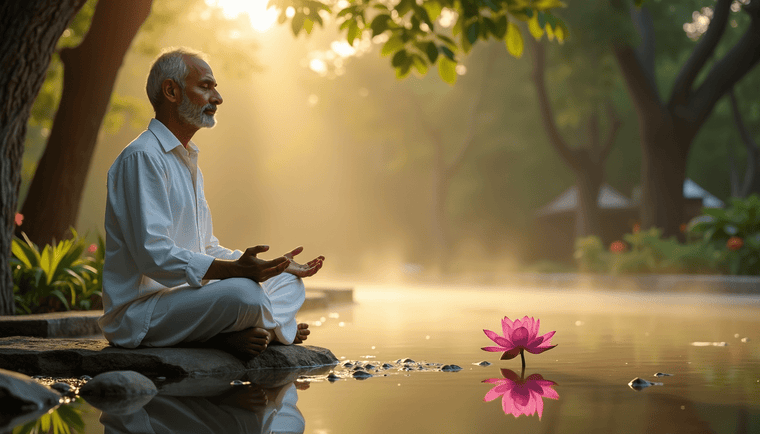
Meditation, in the Buddhist sense, is more than relaxation. It is a steady practice of awareness — watching thoughts and sensations arise and pass without grasping at them, and coming to know, first-hand, how fleeting all things are. This kind of mindfulness meditation is how the Right Mindfulness and Right Concentration of the Eightfold Path are cultivated, and many who practise it find a greater evenness and clarity carries over into ordinary days.

It needn't be elaborate to begin. A few minutes of mindful breathing as a daily ritual is plenty. Some people like a few touchstones for the senses — the sound of a struck bowl to open and close a sitting, or a little incense to set the scene for practice. None of it does the work for you. It simply holds the note while you practise.

The Middle Way

The Middle Way is the Buddha's counsel to avoid both extremes — neither chasing every pleasure nor punishing the body with harsh denial. It is not only a philosophy but a way of living: a quiet search for balance across ethics, mind and habit, neither overly indulgent nor needlessly severe.

In everyday terms it is simply that — balance. Rest without slipping into avoidance. Discipline without becoming brittle. It is less a rule than an invitation to notice when you have tipped too far one way, and to find your footing again. Most of mindful living turns out to be exactly this: a small, repeated correction.

Compassion and loving-kindness

In Buddhism, compassion (Karuna) and loving-kindness (Metta) are not only feelings but practices — a cultivated wish for the well-being of all beings, rooted in a sense of how thoroughly our lives are bound together. The tradition develops them through specific meditations, such as Metta Bhavana, in which one sends thoughts of warmth first to oneself, then outward, widening the circle until it holds every living thing.

It is unhurried work, and quietly steadying. Cultivating loving-kindness and compassion in this way is, for many, where the tradition's deep tranquillity is felt most plainly — not as something acquired, but as something uncovered.

A Buddhist stupa with its tiered architectural design standing in a tranquil, peaceful landscape

Buddhism in daily life

For many, Buddhism is less a religion to sign up to than a lens to live through — one that points towards ethical living, attention, and a little more wisdom about ourselves and the world. You don't have to take on the whole of it to find something useful in a single idea.

Discovering Buddhism

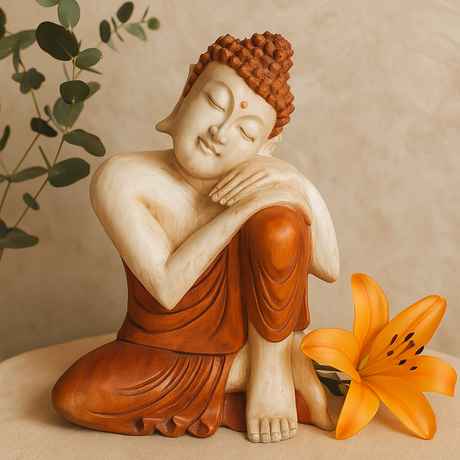
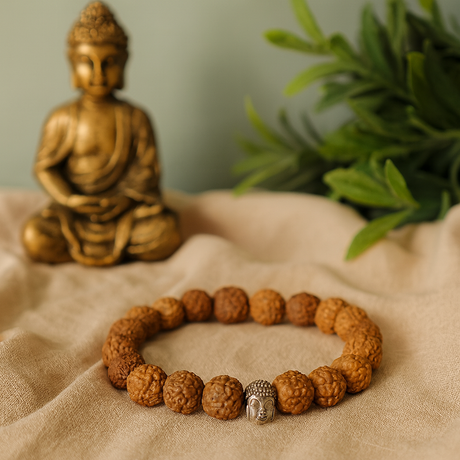
The teachings come alive less in understanding them than in living a few of them, lightly. That might begin with nothing more than a few minutes of mindful breathing in the morning. For some, a small object helps hold the intention — a string of prayer beads for meditation to rest the fingers and the mind, or a small Buddha statue on a shelf as a quiet daily anchor. In Buddhist cultures, incense can aid concentration during meditation, marking the shift from ordinary time into a more attentive one.

None of these objects does anything on their own. Used consciously, they set the scene and keep the note while you practise. Choose what genuinely speaks to you, and let it become part of your own small ritual — and let the rest unfold at its own pace.

good to know

Questions & answers

Do I need to be a Buddhist to practise mindfulness or meditation?
Not at all. The Four Noble Truths and the Eightfold Path began as a religious framework, but the practices at their heart — mindful breathing, paying honest attention to a moment, acting with care — belong to anyone. You can sit with a few minutes of quiet breathing without taking on any belief. Think of Buddhist teaching as a well-worn map rather than a membership: read it for what is useful to you, and leave the rest.
What is the difference between rebirth in Buddhism and reincarnation?
It is a fine but important distinction. Reincarnation, as found in some traditions, suggests a fixed soul moving from one body to the next. Buddhist rebirth describes something more like a continuum of consciousness — a stream of mind carrying the imprints of past actions into a new existence, without a permanent self being passed along. The thread continues; the spool changes. Both are ways cultures have tried to make sense of what endures, and SHAMTAM offers them as cultural and historical context, not as truth claims.
How do I begin a simple daily Buddhist-inspired practice at home?
Start small enough that you will actually return to it tomorrow. Five minutes of mindful breathing in the morning is plenty. Some people like an anchor for the senses — lighting a stick of incense, resting a hand on a string of mala beads, or sitting near a small Buddha figure as a quiet reminder of the intention they are setting. None of these do the work for you; they simply hold the note while you practise. Consistency matters far more than length.
What are mala beads used for, and do I need them to meditate?
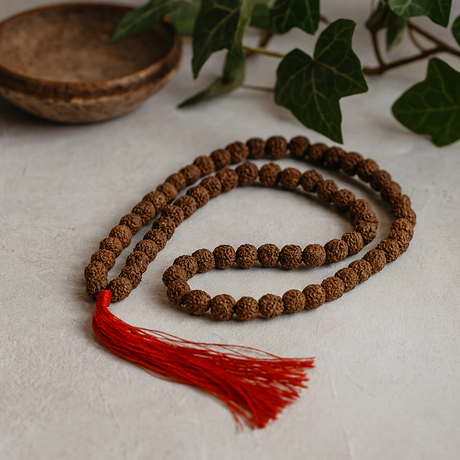
A mala is traditionally a string of 108 beads used to count breaths or the repetition of a mantra — the fingers move bead to bead so the mind has somewhere to rest. You do not need one to meditate; the breath alone is enough. But for many people the tactile rhythm helps focus, and a mala worn through the day can act as a gentle prompt to return to the present. It is a tool that works alongside your attention, not in place of it.
What is the Middle Way, and how does it apply to everyday life?
The Middle Way is the Buddha's counsel to avoid both extremes — neither chasing every pleasure nor punishing yourself with harsh denial. In daily terms it is simply balance: rest without slipping into avoidance, discipline without becoming brittle. It is less a rule than an invitation to notice when you have tipped too far one way, and to find your footing again. Most of mindful living is exactly this small, repeated correction.
Why do Buddhist objects like statues and incense appear in meditation spaces?
In Buddhist cultures these objects carry meaning earned over centuries. A Buddha statue is a reminder of the qualities one hopes to cultivate — compassion, steadiness, presence. Incense marks the shift from ordinary time into a quieter, more attentive one. Used consciously, they help set the scene for practice rather than performing any effect of their own. Choose what genuinely speaks to you, and let it become part of your own small ritual.
to carry the practice on

Companions for your ritual

Buddha Statue Hand Carved Wood Teaching Pose 30cm Buddha Statue Hand Carved Wood Teaching Pose 30cm
£21.72 off

Buddha Statue Hand Carved Wood Teaching Pose 30cm

Sale price £8895 Regular price £11067
Low stock
View details
Buddha Statue Hand Carved Suar Wood Thinking 30cm Buddha Statue Hand Carved Suar Wood Thinking 30cm
£21.72 off

Buddha Statue Hand Carved Suar Wood Thinking 30cm

Sale price £8895 Regular price £11067
Low stock
View details
Brass Sitting Meditation Buddha Statue - SHAMTAM.COM Med Meditation Sitting Buddha - SHAMTAM.COM
£3.00 off

Brass Sitting Meditation Buddha Statue

Sale price £2499 Regular price £2799
Low stock
View details
Amethyst Buddha Statue, 35x40x23mm Amethyst Buddha Small - 35x40x23mm - SHAMTAM.COM
£1.41 off

Amethyst Buddha Statue, 35x40x23mm

Sale price £1599 Regular price £1740
In stock
View details
108 Bead Mala - Carnelian Japa Mala - SHAMTAM.COM 108 Bead Mala - Carnelian Japa Mala - SHAMTAM.COM
£6.82 off

Carnelian Japa Mala, 108 Beads

Sale price £3095 Regular price £3777
In stock
View details

Rudraksha Japa Mala 108 Beads Brown

Regular price £999
In stock
View details

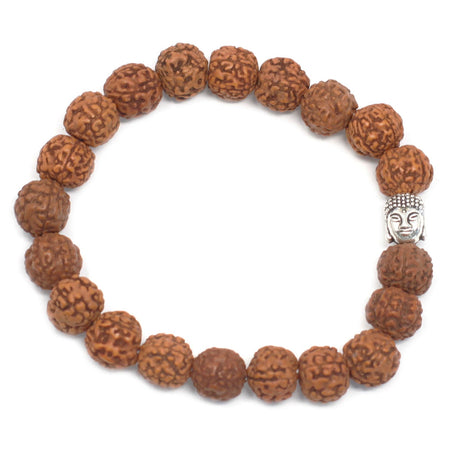
Rudraksha Buddha Mala Bracelet – Brown

Regular price £795
In stock
View details
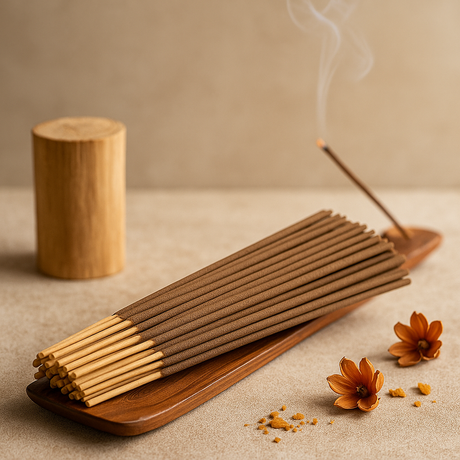
Sandalwood Incense Sticks 450 Pack Sandalwood Incense Sticks 450 Pack
£7.80 off

Sandalwood Incense Sticks 450 Pack

(8)
Sale price £1599 Regular price £2379
In stock
View details

Resin Incense 7 Chakra Banjara

Regular price £699
In stock
View details

Incense Holder Box Mango Wood Assorted

Regular price £1095
In stock
View details
Incense Burner Brass Verdigris Small Lotus Tibetan - SHAMTAM.COM Brass Verdigris Tibetan Incense Burner - Small Lotus - SHAMTAM.COM
£4.89 off

Incense Burner Brass Verdigris Small Lotus Tibetan

Sale price £2499 Regular price £2988
In stock
View details
Backflow Incense Burner, Buddha with Lights - SHAMTAM.COM Back Flow Incense Burner - Buddha & Lights - SHAMTAM.COM
£12.03 off

Backflow Incense Burner, Buddha with Lights

Sale price £2295 Regular price £3498
In stock
View details
Singing Bowl Brass 12 cm, Singing Bowl Set Singing Bowl - Brass 12cm - SHAMTAM.COM
£9.88 off

Singing Bowl Brass 12 cm

Sale price £4799 Regular price £5787
Low stock
View details
Singing Bowl Gift Set, Green, Singing Bowl Set Singing Bowl Gift Set - Green - SHAMTAM.COM
£7.71 off

Singing Bowl Gift Set, Green

Sale price £3999 Regular price £4770
In stock
View details
Singing Bowl Set Lotus Flower - SHAMTAM.COM Lotus Flower Singing Bowl Set - SHAMTAM.COM
£20.28 off

Singing Bowl Set Lotus Flower

Sale price £8100 Regular price £10128
In stock
View details
Buddha Candle Holder Antique - SHAMTAM.COM Antique Buddha Candle Holder - SHAMTAM.COM
£3.12 off

Buddha Candle Holder Antique

Sale price £1899 Regular price £2211
In stock
View details
Buddha Mandala Tapestry Wall Hanging Double Cotton Bedspread Blue Gold Buddha Mandala Tapestry - Double Cotton Bedspread & Wall Hanging for Tranquil Decor - SHAMTAM.COM
£8.25 off

Buddha Mandala Tapestry Wall Hanging Double Cotton Bedspread

Sale price £3495 Regular price £4320
In stock
View details
Single Cotton Bedspread And Wall Hanging - Buddha - SHAMTAM.COM Single Cotton Bedspread + Wall Hanging - Peaceful Buddha - SHAMTAM.COM
£3.15 off

Single Cotton Bedspread And Wall Hanging – Buddha

Sale price £1899 Regular price £2214
In stock
View details
Buddha Canvas Wall Art - Blue Sand Finish - SHAMTAM.COM Buddha Painting - Blue Sand Finish - SHAMTAM.COM
£6.20 off

Buddha Canvas Wall Art – Blue Sand Finish

Sale price £3499 Regular price £4119
In stock
View details

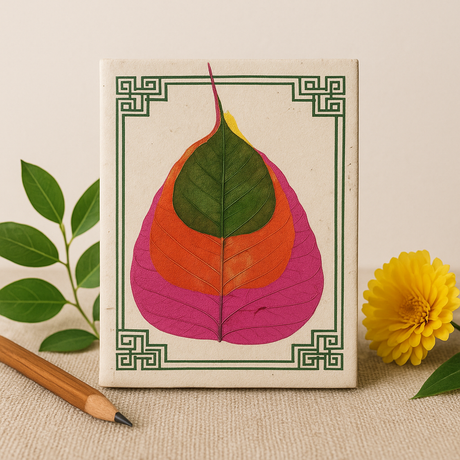
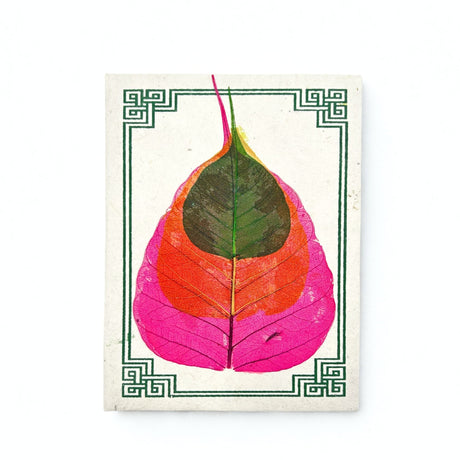
Bodhi Leaf Lokta Paper Notebook Handmade Nepal 15×12cm

Regular price £1295
In stock
View details
Palo Santo Large Incense Sticks Pack of 4 - SHAMTAM.COM Fresh Flowers Palo Santo Large Incense Sticks - SHAMTAM.COM
£4.95 off

Palo Santo Large Incense Sticks Pack of 4

Sale price £1395 Regular price £1890
In stock
View details
Singing Bowl Moon Phase Indian 15cm 750g Medium Indian Moon Phase Singing Bowl - (approx 750g) - 15cm - SHAMTAM.COM
£47.00 off

Singing Bowl Moon Phase Indian 15cm 750g

Sale price £16900 Regular price £21600
In stock
View details

Share this story