We wash our bodies at the end of a long day without a second thought. The mind and the mood, though, we tend to leave to look after themselves. A difficult week settles in the shoulders, in the half-finished thoughts, in the way a room can start to feel heavy. Spiritual cleansing is simply the habit of tending to that quieter layer too, a few small, deliberate rituals that help you set things down and begin again.
None of this asks you to believe in anything in particular. Think of it as time set aside on purpose: a candle lit, a stone held, a slow breath taken before the next thing. Here is a gentle, grounded look at the practices people return to, and the simple tools that go with them.
What is spiritual cleansing?
Spiritual cleansing, sometimes called energetic hygiene, gathers together a handful of practices for clearing the mental and emotional clutter that builds up over time. A ritual bath, a few minutes of stillness, a mantra repeated under the breath. Less something done to you, more something you do for yourself, with attention.
The point is not to fix anything. It is to make a little space, to step out of the rush for long enough that the mind can settle and the day can feel like your own again.
Why people make time for it
Stress, worry, old hurts, the noise of a busy life, these accumulate quietly, the way a desk fills with paper. Left alone, the clutter starts to colour how we think and feel. A small cleansing ritual is a way of clearing the surface: naming what you would like to set down, and giving yourself a moment to do it.
A few gentle cues to pause
This is an invitation, not a diagnosis. You do not need a reason to take a quiet moment for yourself. But some weeks ask for it more than others. You might notice:
- Feeling emotionally drained or oddly disconnected
- A scattered mind, hard to concentrate or decide
- The same heavy thoughts circling back
- A lingering sense of heaviness you can’t quite name
- Low energy that rest alone doesn’t seem to lift
- A shorter fuse than usual
If anything feels physically wrong, that is a conversation for a doctor, not a stone or a smudge stick. These rituals sit alongside ordinary care, never in place of it.
Techniques and rituals for spiritual cleansing
Meditation
Meditation is the practice of resting your attention and letting the mind quieten. When the chatter eases, a little clarity tends to surface on its own. Many people find that a regular practice helps them feel calmer and less reactive to stress, not because anything dramatic happens, but because they have given themselves five honest minutes of quiet. Start small. A single breath, watched all the way through, is already the practice.
Sound healing
The use of sound vibrations for healing has been part of contemplative practice across many cultures for centuries. Instruments such as crystal bowls, gongs and singing bowls fill a room with long, overlapping tones that are deeply relaxing to sit inside, the kind of sound you feel as much as hear. Strike a bowl gently, let it ring out, and follow the note until it fades. It is a simple way to draw the attention out of the head and into the body.
Cleansing crystals
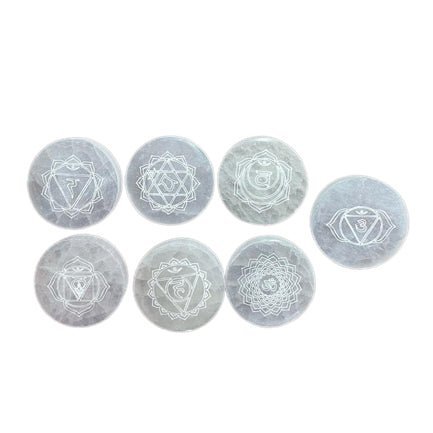
Some stones, such as selenite and black tourmaline, are traditionally kept close as tools for setting an intention and marking a moment of pause. The stone holds no power on its own, but the tradition pairs the object with a practice, and that is where the value lives. If you are drawn to crystals for spiritual healing, a few favourites people return to:
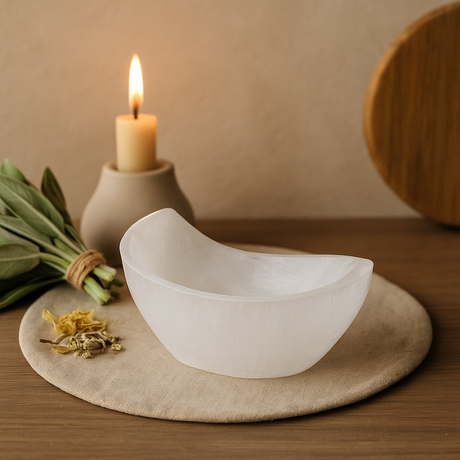
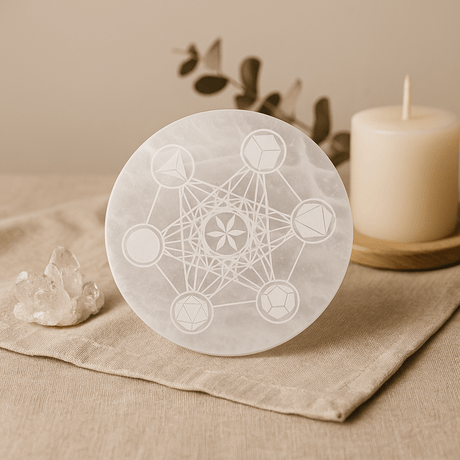
- Selenite. Nicknamed the ‘liquid light’ stone, selenite is often used as a place to rest other crystals overnight while you set an intention to clear them. A note on care: selenite is a soft, water-soluble stone, so keep it dry, cleanse it with smoke, moonlight or sound, never by rinsing it.
- Black tourmaline. A grounding stone many people like to keep by the door or on a desk, something to reach for and return to when the day feels frayed. Browse black tourmaline for tumbles and small standing points.
- Amethyst. This soft purple stone is a long-standing companion for quiet, reflective practice. Many keep a piece of amethyst nearby, or wear one, as a small reminder to slow down. Pair it with an intention rather than asking it to do the work for you.
- Clear quartz. A versatile, easy first stone, many people use clear quartz to hold a single intention they want to keep in view through the day.
Spiritual baths
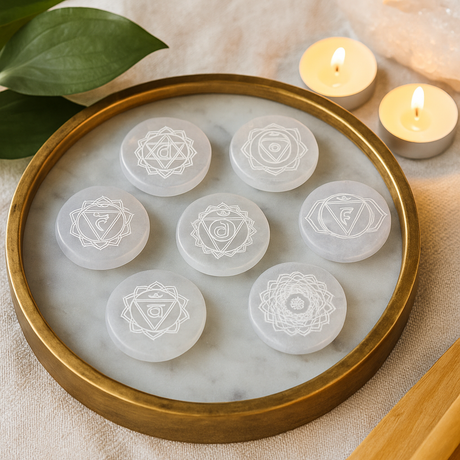
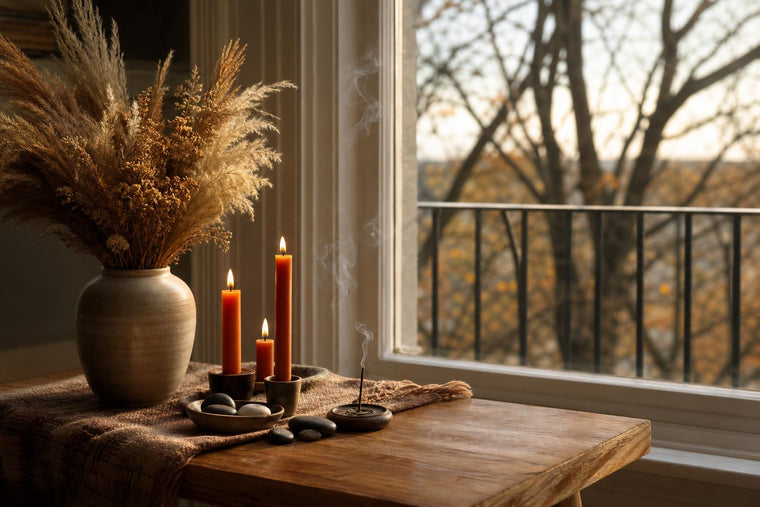
Make a sacred space for yourself with calm music, a few drops of essential oils like lavender or frankincense, and perhaps even candles along the edge of the bath. As you soak, let the warm water be the ritual: picture the week loosening its hold, and breathe slowly until you feel a little lighter. If you like, bring in a touch of aromatherapy with essential oils chosen for the mood you want to settle into, and let your attention rest gently on each of the body’s energy centres in turn.

Mantras
A mantra is a word or short phrase repeated with intention. The slow, rhythmic chanting gives the mind something steady to hold, and that steadiness is calming in itself. Try the Sanskrit syllable ‘OM’, or a phrase that means something to you, ‘I am at peace’ will do. A string of beads to count on can help the rhythm find its own pace.
Yoga postures (asana)
Yoga weaves together physical postures, breathwork and a meditative focus. Holding the poses releases the tension we store without noticing, in the jaw, the hips, the lower back, while the attention on the breath keeps you present and unhurried.
Cleansing a space with herb smoke
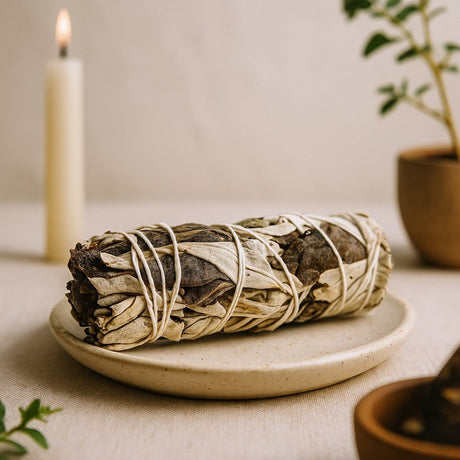
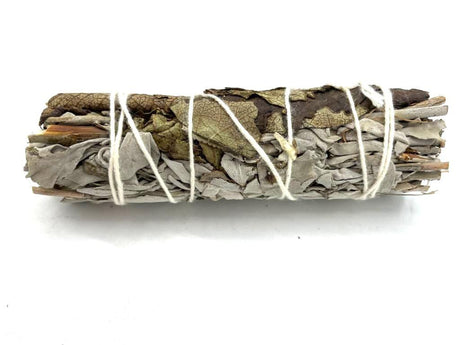
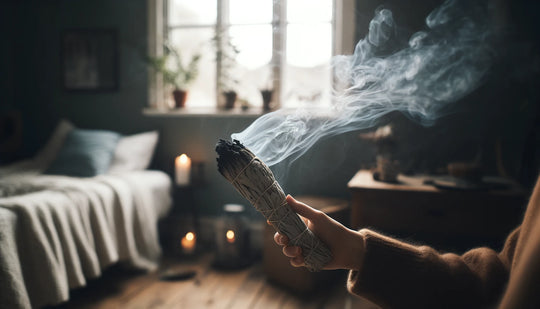
Letting the fragrant smoke of dried herbs drift through a room is one of the oldest and most widespread cleansing rituals, found in many cultures across the world. Open a window or door so the smoke can move and clear, and set a quiet intention as you go. It is worth a respectful note here: the burning of white sage specifically, smudging, is a sacred ceremony belonging to North American Indigenous peoples such as the Lakota and Navajo, widely regarded as a closed practice and not ours to instruct. White sage is also heavily over-harvested. So we hold it with respect as their tradition, and for everyday smoke-cleansing reach instead for gentler, more sustainable alternatives, burning sage blends, herb bundles, palo santo or simple incense.
Spend time in nature
Stepping outside is the simplest reset there is. Walk in the woods, sit by moving water, or lie in the grass and watch the clouds go over. There is nothing to do and nowhere to be, which is rather the point. A little time among trees and sky tends to loosen whatever has tightened indoors.
Ayurvedic rituals
Ayurveda, India’s long tradition of well-being, offers a few practices well suited to a slow, deliberate ritual:
- Abhyanga self-massage. A warming self-massage with oil, traditionally used to soothe the body and settle the mind. Work slowly from the feet upwards, and let the warmth and the rhythm do the unwinding.
- Panchakarma. A more involved traditional Ayurvedic reset of diet and daily routine, undertaken over time and best done with a qualified practitioner rather than alone.
- Pranayama. Yogic breathing, a handful of slow, measured breaths is a grounding way to mark the start or close of any of these rituals.
Journaling and gratitude
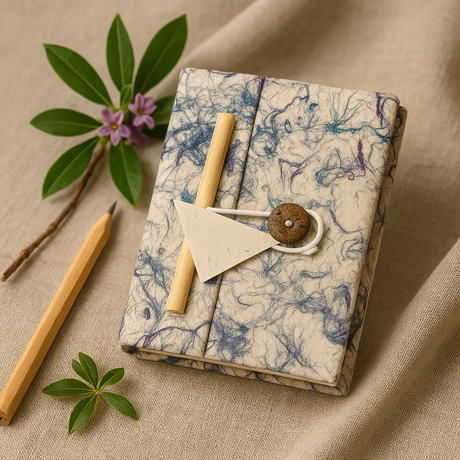
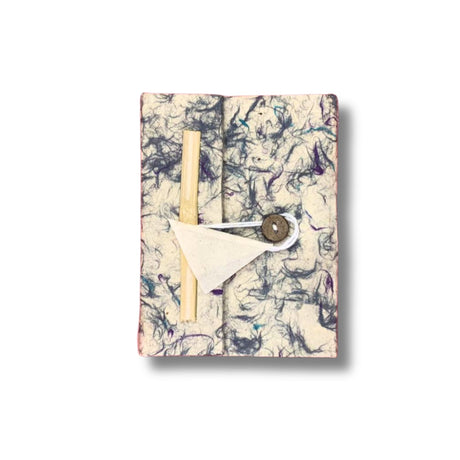
Writing things down is a quiet way to process what you’re carrying and notice the patterns you keep returning to. A short gratitude practice, a few lines on what went well, gently tilts the attention towards the good. If a blank page feels daunting, start with a prompt:
- What in my life feels stuck or blocked right now?
- Which worries have kept circling back this week?
- What belief might be holding me back?
- What am I grateful for today?
Finding forgiveness
Resentment is heavy to carry. Forgiving others, and yourself, is rarely quick and almost never tidy, but it is one of the most genuine forms of letting go there is. Treat it as a practice, not a single decision.
Svadhyaya
Svadhyaya is a Sanskrit term meaning ‘self-study’, the practice of reading spiritual texts and reflecting on them. Sitting with a passage of real depth, slowly, is its own kind of cleansing: it widens the view and quietens the mind’s smaller preoccupations.
A burning ritual
A small, contained ritual for letting go: write down something you would like to release on a slip of paper, picture it loosening as the paper burns in a heatproof dish, and let the ashes go with the intention of leaving it behind. Keep it safe, a window open, water to hand, and let the act itself be the close of a chapter.
Sweat lodge ceremonies
The sweat lodge, time spent in a heated dome to pray, sing and sweat together, is a sacred ceremony of North American Indigenous peoples. We mention it here only as cultural context, held with respect: it is a living ceremonial tradition, conducted within its own community and elders, not a self-help technique to try at home.
Spiritual cleansing is a personal journey. Try a few of these, keep what resonates, and let the rest go. The more you make a little room for your own well-being, the lighter and more grounded the days tend to feel.
A gentle close
You don’t need a shelf of crystals or a complicated routine to begin. One ritual, done with attention, is plenty: five quiet breaths, a warm bath with a little lavender, a single mantra under your breath. Spiritual cleansing isn’t a fix to be applied so much as a small, kind habit to come back to, a way of setting things down, making a little space, and meeting the day a touch lighter than before.