Some days we carry more than we mean to. An old hurt, a word we wish we hadn't said, a quiet sense that things are out of step. There is an old Hawaiian way of setting a little of that down — gently, in your own time. It is called Hoʻoponopono, and at its heart sit four small phrases and the simple act of forgiveness.
This is not a cure or a quick fix. It is a practice you return to — a way of meeting yourself, and the day, with a touch more calm. Here is where it comes from, what it asks, and how you might begin.
What is Hoʻoponopono?
Hoʻoponopono is a Hawaiian practice rooted in forgiveness and reconciliation. The name itself means to make right, to put in order. Rather than promising that the world will rearrange itself for you, it works the other way around: by letting go of resentment, guilt, and the stories we tell ourselves, you change how you meet what happens — meeting the day with more clarity and a steadier heart.
Where does Hoʻoponopono come from?
The practice predates Western contact with Hawaii. It wasn't a single, fixed ritual but a tradition woven into everyday life. Within the extended family — the ʻohana — Hoʻoponopono was a way to keep harmony, a state the Hawaiians call pono.
Senior figures such as kahuna (priests and healers) or kupuna (elders) would guide the gathering, with truth-telling — ʻoiaʻiʻo — at its centre. Family members spoke openly, took responsibility for their actions, and acknowledged how those actions had touched the wider group. Through honesty, confession, and forgiveness, tensions were released and balance restored before resentment could harden.
Over time, Hoʻoponopono travelled beyond family circles. In the 1970s the Hawaiian elder Morrnah Simeona adapted it for individuals — a version later carried widely by Dr Ihaleakalá Hew Len — turning a communal process into one a single person could practise alone. The core stayed the same; the emphasis shifted towards personal responsibility and inner peace.

A simple practice of four phrases
At the heart of Hoʻoponopono is something quietly simple: you repeat four phrases silently to yourself. They are a form of self-reflection — a way back to a little inner peace.
- I'm sorry — taking responsibility for your thoughts, feelings, and actions.
- Please forgive me — asking forgiveness, of yourself, of others, of life as you've met it.
- Thank you — gratitude for the good in your life, and for the chances to grow.
- I love you — turning warmth and compassion towards yourself and the world around you.
As you repeat the phrases, you begin a process of self-reflection and release. By taking responsibility and letting go of what you've been holding, you make a little room where resentment used to sit — and releasing it frees you to meet the day with more calm and clarity.
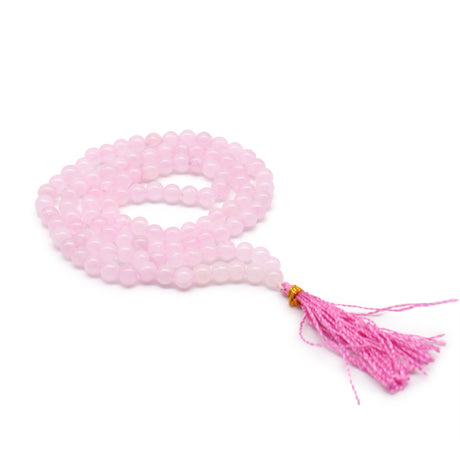
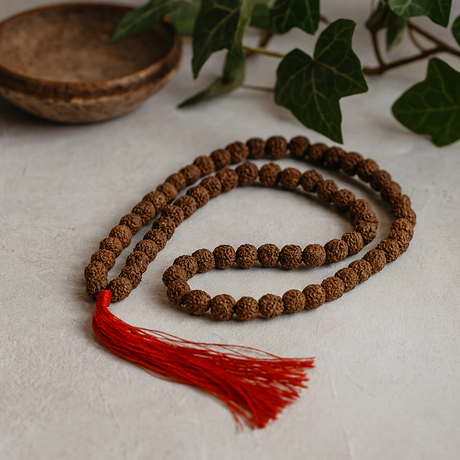
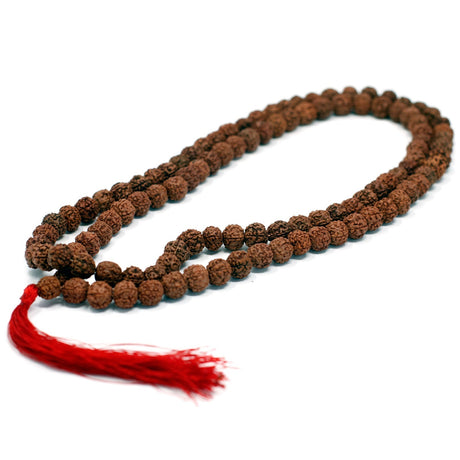
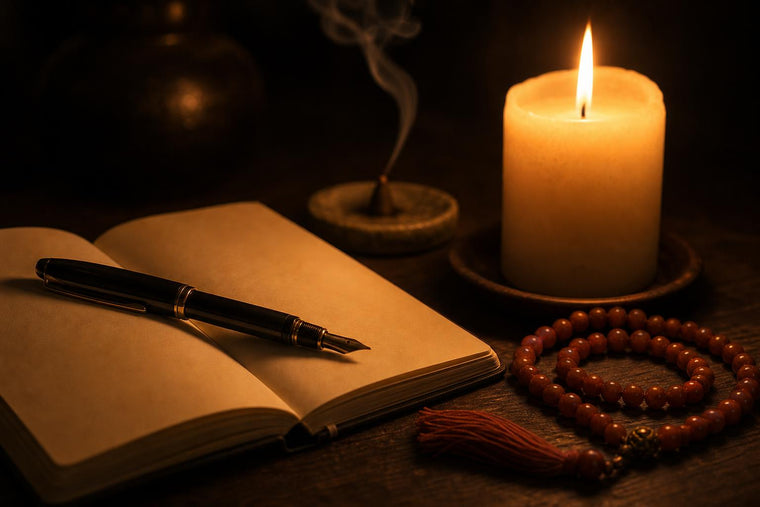
Some people like to give the moment a shape. You might keep a mala to keep count as you repeat them, moving bead by bead through the repetitions so the counting takes care of itself and your attention stays on the meaning. Others reach for a small ritual to mark the practice, a thread of scent that signals this time is set apart.
What the practice can offer
- Calmer, less reactive. Setting down old grievances can ease the pull of stress and tension.
- Warmer relationships. Forgiveness and self-compassion can soften how we relate to the people around us.
- Greater self-awareness. Hoʻoponopono invites introspection and a closer look at yourself.
- A sense of wellbeing. By releasing what weighs on you and turning towards kindness, the practice may support a calmer, more settled frame of mind.
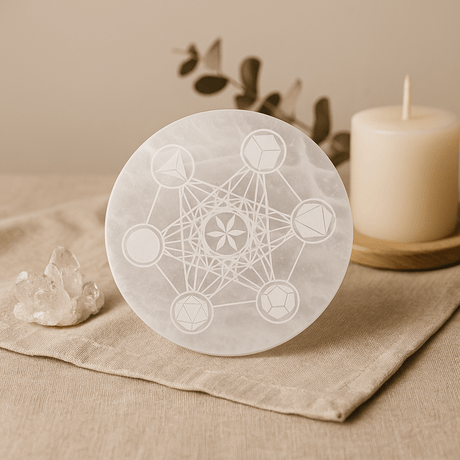
None of this arrives on a schedule, and the practice claims no power of its own. Stones and scent can keep you company while you do the work — rose quartz for self-compassion, long held as the stone of the heart, or amethyst for a calmer pause. If you like to hold an intention in your hand, there is the wider world of crystals to hold an intention to explore. The tradition pairs the object with the practice; the object keeps the note, and the work stays yours.
Getting started with Hoʻoponopono
The beauty of Hoʻoponopono is its simplicity. Here's how to begin:
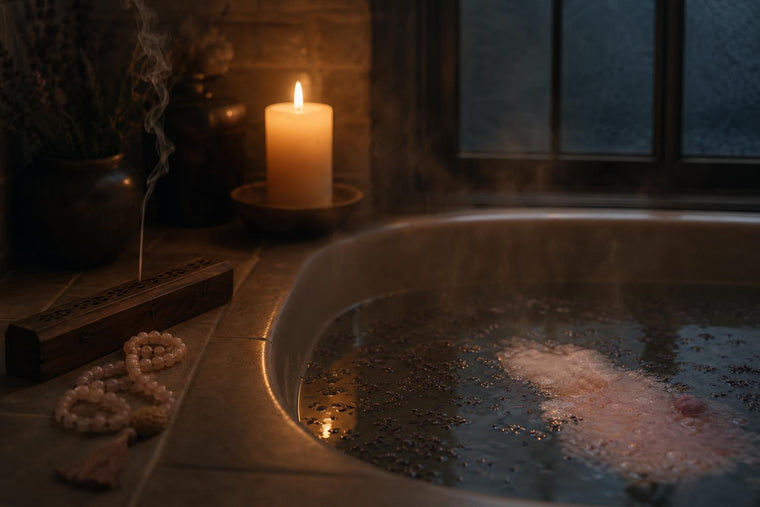
- Find a quiet space. Minimise distractions and let yourself turn inward. Lighting aromatherapy to anchor a daily ritual can mark the threshold between everyday noise and a few reflective minutes.
- Close your eyes. This can deepen your concentration.
- Repeat the four phrases silently. Rest your attention on the meaning of each as you go.
- Practise regularly. The more you practise, the more the phrases settle into you.
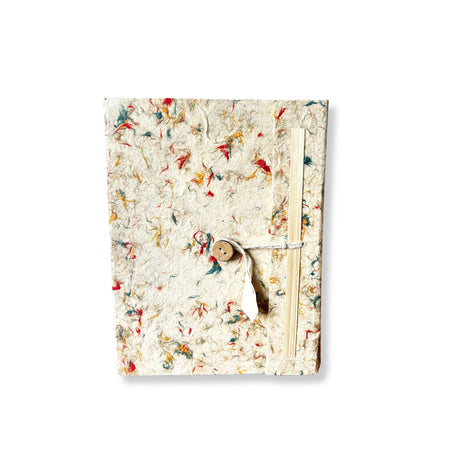
There's no right or wrong way to do this. You can repeat the phrases through the day, whenever a difficult feeling rises. Some find that a candle to settle into a quiet moment gives the eye a calm place to rest, or that palo santo for a moment of letting go marks a small fresh start. A single note from a singing bowl to open and close your sitting can bookend the practice, so it feels deliberate rather than rushed.
Hoʻoponopono is a practice, not a one-time fix. Quiet, consistent effort is the heart of it.
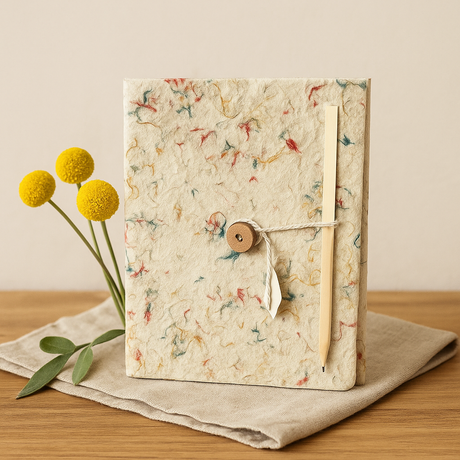
Pair it with other practices. Meditation, journaling alongside the phrases, and time in nature all sit happily beside Hoʻoponopono — writing down what you're sorry for, or grateful for, gives the words something to hold on to.
How can forgiveness be part of the practice?
Forgiveness works by letting go of burdens like resentment or guilt. Holding on is like carrying a heavy weight. Setting it down frees you to move forward and meet the present. It isn't about condoning the past, but learning from it with a little more peace and acceptance. Forgiving yourself is an act of self-compassion — room to grow, unburdened by what you've been carrying.

Challenges and how to weave it in
Hoʻoponopono's simplicity can be deceiving. Here are a few common hurdles, and gentle ways to fold the practice into ordinary days.
Challenges
- Doubting its effect. It's natural to question a practice with limited scientific research behind it. What the research does suggest is that forgiveness, self-compassion, and gratitude are widely associated with greater wellbeing. Let the feeling of release and quiet be your guide.
- Difficulty with forgiveness. Forgiving yourself or others can be hard, especially with deep-seated hurts. Be patient with yourself. The practice is about progress, not perfection.
- Feeling stuck. You may not notice anything straight away. Consistency matters — keep it in your routine and trust the process.
- A wandering mind. It's natural for the mind to drift while you repeat the phrases. Gently bring it back, without judgement.
Weaving it in
- Start small. Begin with a few minutes a day. Lengthen it as it begins to feel familiar.
- Fold it into your routine. Repeat the phrases on your commute, while waiting in a queue, or before bed.
- Let feelings be the cue. When a difficult feeling rises, let it prompt the phrases and the release that follows.
- Be patient and kind to yourself. Hoʻoponopono unfolds over a lifetime. Meet it with kindness and trust the slow shift it brings.
A quiet closing
Hoʻoponopono offers an unhurried way back to forgiveness, self-compassion, and gratitude. By taking responsibility and gently letting go, you make a little more room for peace — in how you meet yourself, and in how you meet the day. Like any practice, it takes time and patience to settle. So be kind to yourself, and let forgiveness be something you return to, one quiet moment at a time.