There is a particular kind of comfort that lives in old habits. A cup of something warm pressed into your hands when you feel rough. A bath drawn at the end of a long day. The scent of a familiar plant rising from a steaming bowl. Long before clinics and pharmacies, this is how people cared for one another, with what grew nearby, and with rituals passed quietly from one generation to the next.
This is not a list of cures, and it is not advice. It is a slow wander through the ways different cultures have turned to plants, scent, water and touch for comfort, a window into how the world finds a little ease in everyday things. Take it as heritage and curiosity, not instruction. For anything that worries you, a healthcare professional comes first.
Comfort for colds and coughs
Few things make us long for an old remedy quite like a stuffy head and a tickling cough. Across the world, the answers tend to rhyme: warmth, steam, and a familiar scent.
India, the Ayurvedic kitchen
In India, comfort often begins at the stove, where a warm cup of ginger tea with honey soothes coughs in many households, sipped slowly while the steam softens the morning. Ayurveda, India's long tradition of holistic living, also reaches for tulsi (holy basil), a plant so revered it is grown in courtyards and tended like a guest. Its leaves are traditionally taken with honey, as much a small daily ritual as anything else. And many still lean over a bowl of hot water, breathing deep, in the belief that inhaling eucalyptus oil clears congestion and opens a blocked nose.
China, Traditional Chinese Medicine
Traditional Chinese Medicine offers its own quiet logic. Herbal infusions brewed with elderflower or honeysuckle are part of the seasonal rhythm, and acupuncture has its place, both framed around restoring balance rather than chasing a single symptom. It is a way of thinking about the whole person, not just the cough.
The Amazon, a note of respect
The plant traditions of the Amazon rainforest, across Peru, Brazil, Ecuador and Colombia, are vast, ancient and deeply tied to ceremony and Indigenous knowledge. They deserve to be spoken of as living heritage, not folded into a list of home tips. We mention them here only to honour how much the world's comfort owes to places we rarely see.
Settling the stomach
An unsettled stomach is one of the oldest discomforts there is, and the gentlest traditions tend to be the most enduring, usually something warm to sip and a moment to sit still.
Greece
In Greece, a spoon of honey stirred through thick yogurt is an old kitchen comfort. Fennel tea, a traditional after-meal drink, has its place too, the kind of warm cup you reach for once the table is cleared and there is finally time to slow down.
Egypt
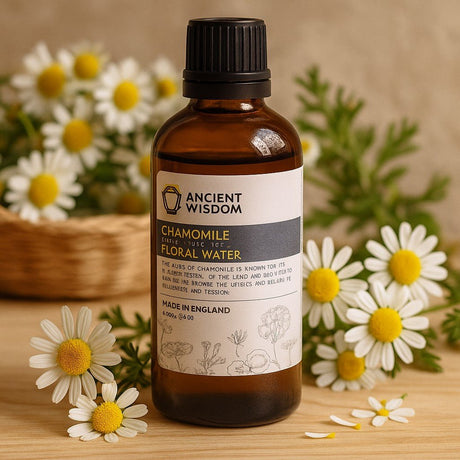
Egyptians have long embraced chamomile tea for its calming properties, a soft, golden infusion drunk in the evening. A warm cup of chamomile is a familiar comfort when the stomach feels uneasy, and chewing a clove is an old habit some keep close.
Caring for the skin
Skin meets the world all day long, wind, sun, dry air, salt. So it makes sense that nearly every culture has a beloved plant oil or gel kept within reach for the moments when skin feels tight or weather-worn.
Morocco, argan
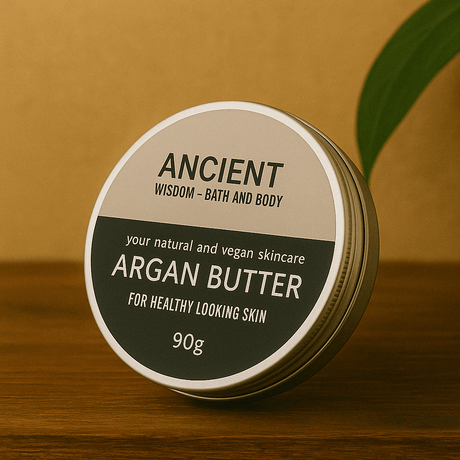
Morocco's argan oil, pressed from the kernels of the argan tree, has been part of beauty rituals there for centuries. Often called "liquid gold" for its colour and rarity, it is long prized for dry, thirsty skin and has made argan oil a staple in Moroccan beauty routines. Smoothed on slowly, it is as much about the unhurried ritual as the oil itself.
Australia, tea tree
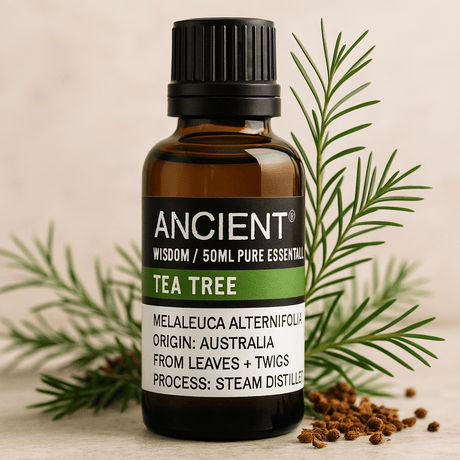
Australia's Aboriginal peoples hold a deep, place-rooted relationship with the land and its plants. Among them is tea tree oil, a potent antiseptic-scented oil from the Melaleuca alternifolia plant. Traditionally diluted and applied with care, it remains a familiar presence in many bathroom cupboards today.
Native American traditions, aloe vera
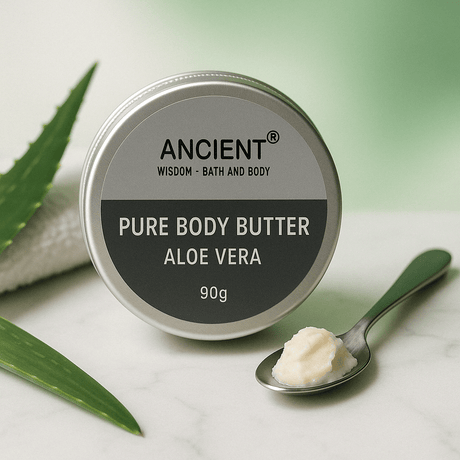
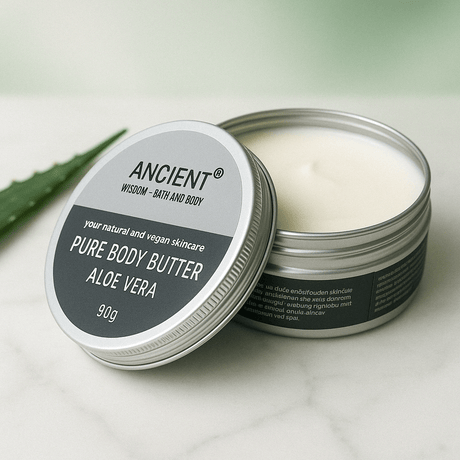
The aloe vera plant has long been valued across many Native American cultures. The cool gel inside its leaves is the classic thing reached for after a day in the sun, soothing, cooling, gentle on skin that feels hot and tight.

Easing towards sleep
When sleep won't come, the body wants permission to slow down. The world's bedtime traditions all seem to circle the same three things: warmth, scent, and the gentle signal that the day is done.
India, the evening wind-down
Ayurveda treats sleep as something you prepare for, not something you chase. A warm cup of milk infused with calming spices like turmeric or nutmeg is a familiar pre-sleep comfort. So too are slow head massages with soothing essential oils, soothing essential oils like lavender are a long-loved choice for the way their scent invites the body to let go.
Japan, the evening bath
The Japanese bathing ritual is a small daily ceremony, soaking in a hot bath infused with Yuzu, a fragrant citrus fruit, is a beloved way to close the day, the warm water unknots the shoulders while the bright, peely scent settles the mind.
Mexico and Central America
Calea ternifolia, sometimes called the "dream herb", has a long history among Indigenous groups in Mexico and Central America, including the Chontal of Oaxaca. It belongs entirely to Mexican and Central American traditions, a piece of cultural heritage we note here for curiosity, not as something to try.
When a headache settles in
A headache narrows the whole world to one tight band across the temples. Cultures have met it with pressure, with bark teas, and, most often, with the simple wisdom of rest and water.
China
In Traditional Chinese Medicine, a headache is read as a sign of imbalance somewhere in the body's flow. Acupressure, applying gentle pressure to particular points, is one of the traditional ways practitioners work to restore that sense of balance.
Europe, willow bark
Willow bark tea has a long history across Europe. Willow contains salicin, the natural compound that later inspired aspirin, a quiet reminder of how much of modern medicine grew from old plant lore.
A rough, scratchy throat
There is a reason the honey-and-lemon mug is so universal: a sore throat asks for warmth and softness above all. These are the gentle, food-and-drink comforts people reach for the world over.
North America, slippery elm
Many Native American cultures have long used slippery elm bark to ease a rough throat. Steeped in hot water, it makes a soft, mucilaginous tea that feels coating and kind when swallowing is uncomfortable.
Europe, honey and lemon
A soothing honey-and-lemon drink is the comfort many European households reach for when the throat feels raw. It is warm, sweet and sharp all at once, the kind of cup you cradle in both hands on a grey day.
India, the warm gargle
A warm salt-water gargle is a long-standing Ayurvedic comfort for a scratchy throat. Turmeric, that revered golden spice, finds its way in too, a warm turmeric gargle is an old household habit, valued as much for the small ritual of pausing as for anything else.
Riding out a fever
A fever turns the body inward, and the traditions around it are mostly about kindness and patience, keeping cool, keeping calm, and above all keeping fluids close.
Across Africa
Across parts of Africa, cool leaf poultices have a place in traditional fever care, varying by region and plant. These traditions are local and specific, not a single continental practice, and they are best understood as heritage rather than home instructions.
Europe, elderflower tea
Across Europe, elderflower tea is an old fever-time comfort. It is a warm, lightly floral cup, valued for the way it encourages rest and keeps fluids going, soothing more than anything else.
Everywhere, water
Perhaps the most universal comfort of all is the simplest: staying hydrated. Drinking plenty of fluids is the oldest, plainest care there is, and the one every tradition agrees on.

Mind, stress and stillness
The mind, too, has its old comforts, and here the traditions are less about plants than about practice. They share a single instinct: slow down, breathe, and make a little space.
Eastern traditions have long woven stillness into daily life. Practices like meditation, yoga, and breathing exercises, meditation rooted in Buddhism, yoga in India, are practised the world over as ways to steady the breath and quieten a busy mind. They ask nothing but a few honest minutes and a willingness to sit with yourself.
Plants play a gentle supporting role. In Ayurveda, ashwagandha is a traditional companion to a calmer routine; some European traditions kept St John's Wort close. A reminder, though: herbs can interact with medication, so speak with a healthcare professional before adding any to your day. None of this replaces proper care, it sits alongside it, a small ritual of slowing down.
Living well, and living long
The wish for a long, contented life is about as universal as wishes get. The traditions around it are less about any single plant and more about the shape of a day, what you eat, how you move, how you rest.
Dietary wisdom
The people of Okinawa, in Japan, are famous for their long lives and for a way of eating built around vegetables, fruit, whole grains and modest portions of simply prepared food. Around the Mediterranean, a similar pattern endures, olive oil, fish, pulses and fresh produce at the heart of the table. Both are less a diet than a culture of eating slowly and well.
Movement woven into the day
Researchers have noted a handful of places around the world, sometimes called "Blue Zones", with unusually many people living past 100. One thread they share is movement folded naturally into daily life, walking, gardening, cycling, rather than carved out as a separate task.
Stillness as practice
In Ayurveda, easing stress is treated as part of living well. Meditation, yoga and slow breathing all make room for calm. In China, Tai Chi pairs gentle, flowing movement with deep breath, an unhurried practice many keep up for the simple pleasure and balance of it.
Touch, warmth and easing tension
When the body aches and tightens, the oldest comfort of all is touch, a hand, warmth, the slow attention of a massage. Nearly every culture has built a practice around it.
Massage therapy is a worldwide practice for pain relief, and its forms are wonderfully varied. The Western tradition of Swedish massage works the muscles towards relaxation. In Traditional Chinese Medicine, acupressure massage presses particular points, working with the body's sense of flow. Both share the same quiet aim: to help a tense body soften.
Scent often joins the ritual. Aromatherapy utilizes essential oils for pain management traditions across the world, lavender among the best-loved, reached for everywhere for the way its calming scent helps the shoulders drop. Warmth helps too: a warm compress or a soak is one of the oldest, plainest comforts there is, kept close in cultures everywhere.

Cleansing rituals and ceremony
Not every tradition is about a plant in a cup. Many are about marking a threshold, a way to set down what weighs on you and begin again.
In some Native American cultures, the sweat lodge is a ceremony of heat, sweat and prayer, held within specific spiritual and communal contexts. It is sacred and initiatory, not a wellness technique, and we name it here only with respect, as living tradition rather than something to borrow. Across many cultures, fragrant smoke and ceremony mark the start of something quiet and intentional. The thread that runs through all of it is the same: a moment, set apart, to slow down and pay attention.
A window, not a cabinet
What stays with you, reading through these traditions, is not a list of fixes. It is how alike we all are in our wish to feel cared for, and how often that care looks like the same handful of things. Warmth. Scent. A pause. A cup of something held in both hands. Someone, somewhere, who knew which plant grew by the door.
None of this is a substitute for modern medicine, and none of it should be. Think of it instead as a window into how cultures find comfort and meaning in everyday plants and rituals, and perhaps as a gentle invitation to build one small, grounding ritual of your own. For anything persistent, severe or worrying, see a healthcare professional. The rest is simply the quiet, human art of looking after yourself.