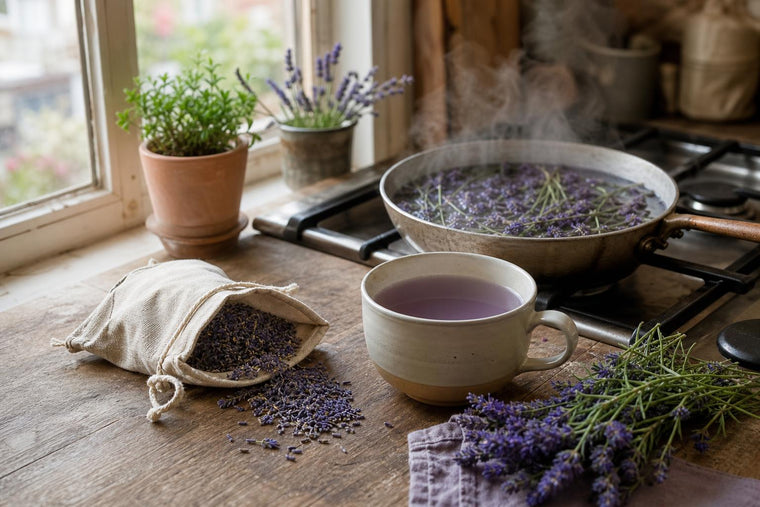
There is a particular kind of quiet that arrives when you light a stick of holy wood at the end of the day. The match catches, the tip glows, and a thin curl of sweet, woody smoke begins to rise. Nothing in the room has changed, and yet something has softened. This is the small ritual at the heart of Palo Santo, not a fix, but a pause you make on purpose.
The rise of Palo Santo
In the slow-living world of mindful practice, Palo Santo has found a quiet, steady following. Its name means ‘holy wood’ in Spanish, and the tree it comes from is native to South America, where it has held a place in indigenous ritual for centuries. In Andean tradition the smoke is used to clear a space and mark a fresh start before prayer or gathering.
Today people reach for its scent simply to slow down, before meditation, before yoga, or when an evening needs a softer edge. Its warm, resinous aroma is long valued in ritual for grounding and calm. Less a tool that acts upon you, more a gentle prompt: light it, set an intention, and let the scent anchor the moment.
The sacred roots of Palo Santo
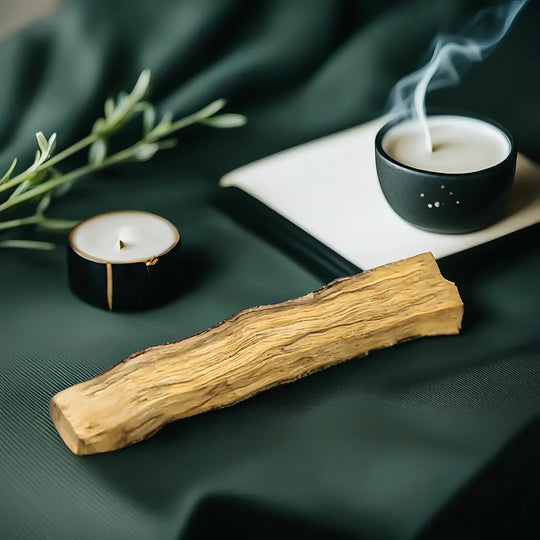
Palo Santo, or Bursera graveolens, grows in the dry tropical forests of South America, particularly in Peru and Ecuador. Its ritual use is traditionally traced back to the Inca era, when the smoke was used to clear a space and to mark moments of good fortune. Spanish monks in the 16th century gave it the name ‘holy wood’, struck by an aroma they compared to frankincense.
For generations, indigenous cultures have woven Palo Santo into shamanic practice. In tradition the smoke from the burning wood is said to carry prayers and intentions, clearing a space and helping those gathered settle and begin afresh. The wood is understood as a bridge between the everyday and the sacred, a reflection of the indigenous belief in the connectedness of all life.
Its long history makes Palo Santo a meaningful thread in South American culture: a small object that carries a deep connection to nature and tradition.
The many forms of Palo Santo
Palo Santo comes to us in several forms, each suited to a slightly different ritual.
Wood
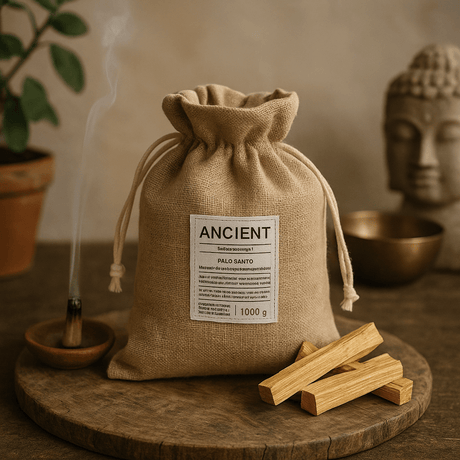
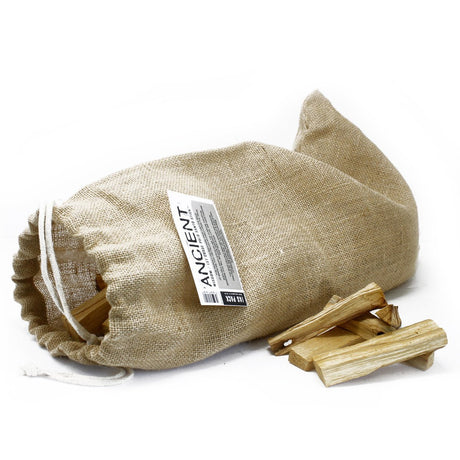
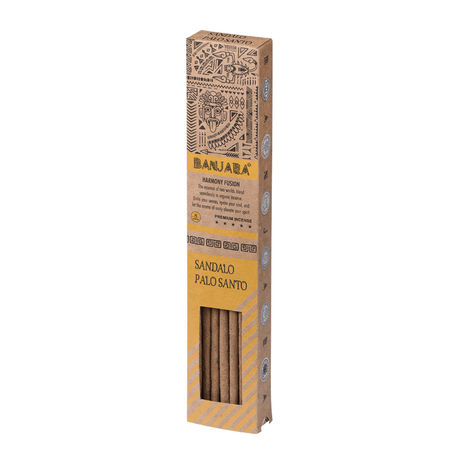
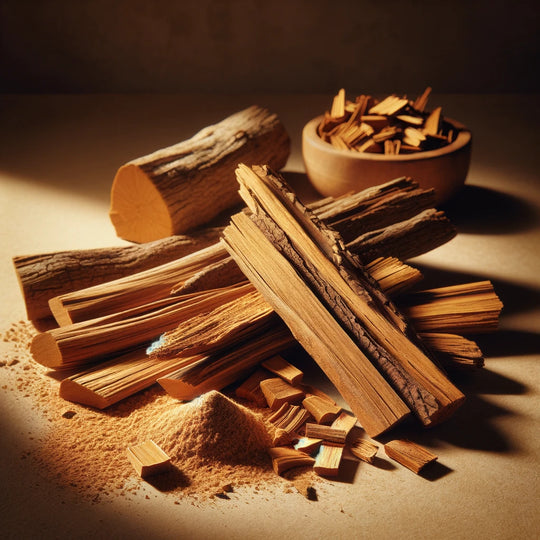
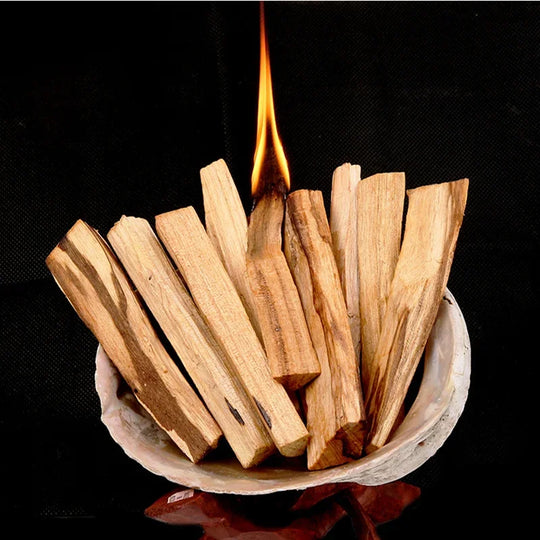
The classic form, found as sticks, chips or powder, harvested directly from the tree. Palo Santo sticks are ideal for smudging, lit briefly to release a fragrant smoke you can walk slowly through a room. Chips are smaller and burn over charcoal for a quicker release of that sweet, woody aroma. Powder can be ground finer still and worked into homemade incense blends.
Resin
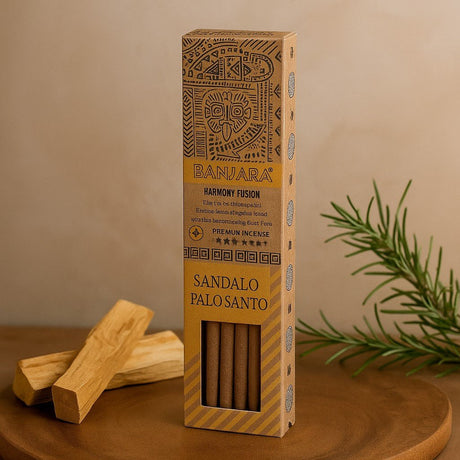
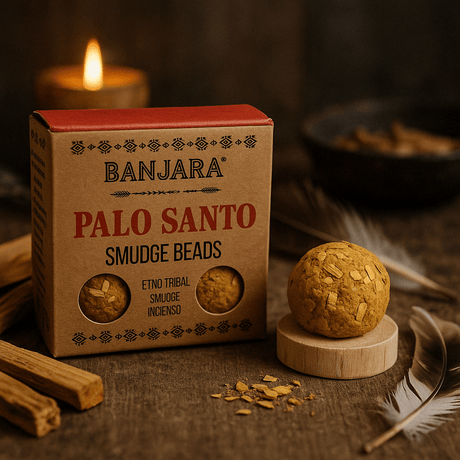
For a denser, longer-lasting smoke, there is Palo-Santo-scented resin incense, a Banjara blend made in India, where Palo Santo resin is combined with essential oils, herbs, gums and botanicals. It is burned on a charcoal disc rather than lit directly, releasing a rich, sweet smoke that lingers. A good choice when you want a more concentrated ritual, or a slower, deeper scent for an unhurried evening.

Oil
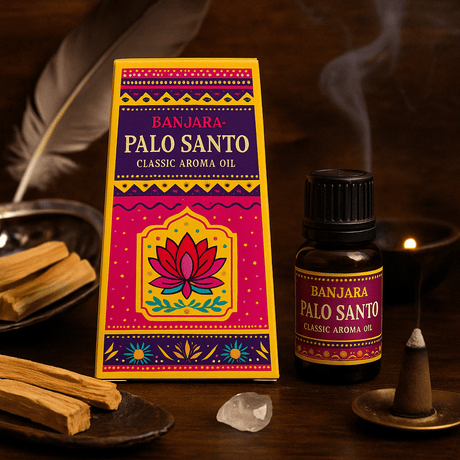
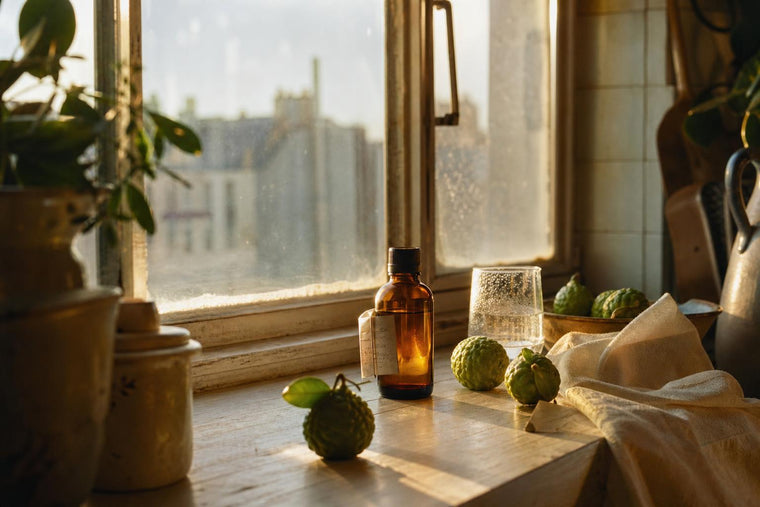
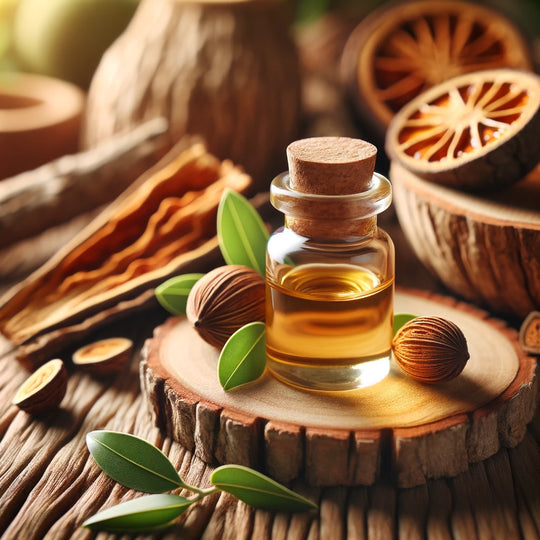
Palo Santo essential oil is steam-distilled from the wood, capturing its warm aroma in a smoke-free liquid form. It suits a diffuser and aromatherapy, filling a space with that grounding, woody scent. Drop it into a diffuser, or add a little to a homemade room or cleaning blend for a natural, fragrant touch. If you wish to use the oil on the skin, always dilute it in a carrier oil first and do a patch test before wider use.
Why the scent helps you settle
Burning Palo Santo is a practice steeped in history. Beyond its place in ritual, many people simply find the experience a calming way to mark a moment in the day. Here is what the scent, and the small ritual around it, tend to offer.
A pause for the mind
- Slows you down, the sweet, woody smoke helps mark a pause between one part of the day and the next.
- Sets a mood, lighting it can signal, gently, that this time is yours.
A freshened space
- Carries a warm aroma, the resinous scent masks staleness and signals that a room has been refreshed.
- Marks a fresh start, in tradition, walking the smoke through a space is a way to clear the air before you begin something new.
Focus and creativity
- Settles your attention, a familiar scent can help you arrive at a task with a clearer head.
- Frames creative time, many people light it as a cue to begin writing, making or thinking.
A calmer evening
- Invites relaxation, the warm aroma helps create a tranquil atmosphere as the day winds down.
- Supports a wind-down ritual, paired with low light and a quiet moment, it can ease the shift towards rest.
How people use Palo Santo
Palo Santo lends itself to small, repeatable rituals, for the home, for the senses, and for moments of stillness. Here are a few ways to fold it into your day.
Aromatherapy and space cleansing
- Light the wood, hold a stick at roughly a 45-degree angle and light the tip.
- Let it burn, allow the flame to catch for about 30 seconds to a minute, then gently blow it out so the wood glows.
- Walk the smoke, move slowly through your space, letting the smoke drift into corners.
- Set an intention, name what you want the moment to hold: a fresh start, a calmer evening, a focused hour. This is where the ritual does its real work.
Using Palo Santo oil
- In a diffuser, add a few drops to your diffuser to fill a room with its calming, grounding aroma. A gentle accompaniment to a quiet evening or a slow morning.
- On the skin, if you wish to wear the scent, always dilute the oil in a carrier oil first and do a patch test before applying more widely.
Using Palo Santo resin
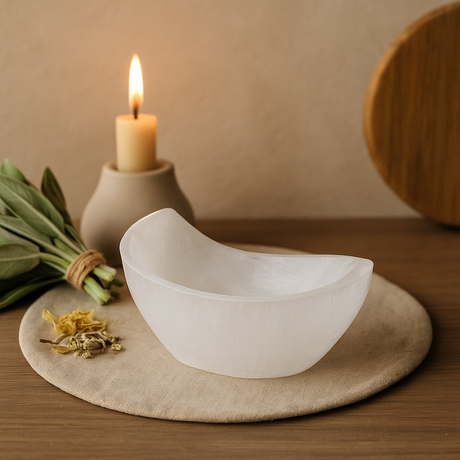
- For a deeper smoke, place a piece of resin on a charcoal disc set in a heatproof dish and light the charcoal. The resin releases a rich, concentrated smoke, well suited to a longer, more deliberate ritual.
- Alongside meditation, burn the resin as you settle in for meditation and yoga. Its warm, lingering aroma can help frame the start of a session and hold the mood.
How to choose Palo Santo
Choosing Palo Santo well means choosing it ethically. A short checklist to guide your purchase:
- Sustainability, opt for wood that has fallen naturally and aged, rather than felled trees. This supports ethical harvesting and leaves the tree standing.
- Natural aroma, genuine Palo Santo carries a sweet, woody scent even before it is lit.
- Colour and texture, look for wood that runs pale yellow to light brown.
- Price, be cautious of prices that seem too good to be true. Genuine, sustainably gathered wood comes at a fair cost.
- Form, decide whether you prefer sticks for smudging, oil for aromatherapy, or resin for a deeper ritual, and choose accordingly.
Palo Santo sits naturally alongside other cleansing botanicals such as white sage, and the smoke is one of many traditional ways of purifying spaces and marking a fresh start at home.

A small ritual at the end of the day
Choosing Palo Santo well means honouring a long tradition while supporting ethical, sustainable practice. At SHAMTAM, we work only with wood that has fallen and aged naturally, so the wood you light is part of that tradition rather than a cost to it.
Whether you reach for a stick, the oil or the resin, the practice is the same at heart: light it, take a breath, and let the scent mark a pause. Not a transformation, just a quiet moment, made on purpose, at the close of the day.