There is a moment at the end of most days when the overhead light feels like too much. You want the room to go quieter without going dark. A candle is the small tool that does this, a single soft flame, a little warmth, a scent that says the working part of the day is over. Natural wax candles are simply candles made from plant or bee sources rather than petroleum: soy, beeswax, coconut. They burn a little more cleanly, they come from renewable materials, and many people find them gentler company in a small room. This is a plain guide to choosing and caring for them, with no promises a candle cannot keep.
The natural waxes
Soy, beeswax and coconut each behave a little differently. None is simply better than the others. It comes down to the light, the scent throw, and the feel you want in the room.
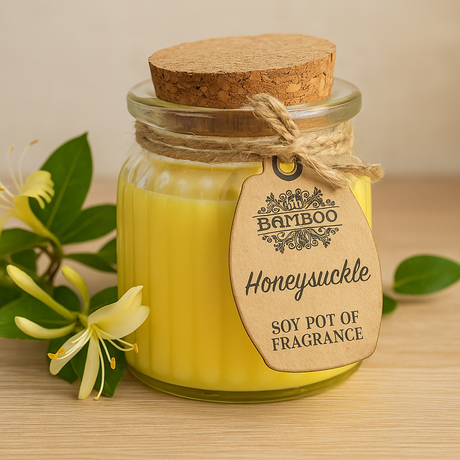
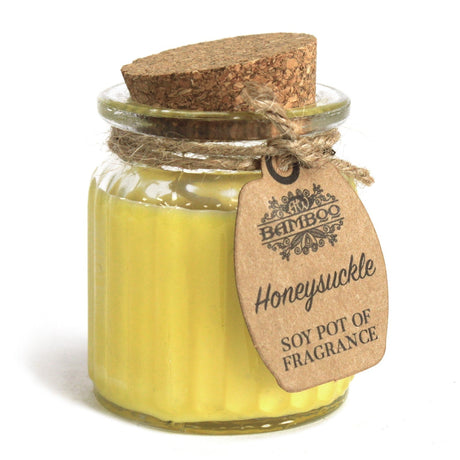
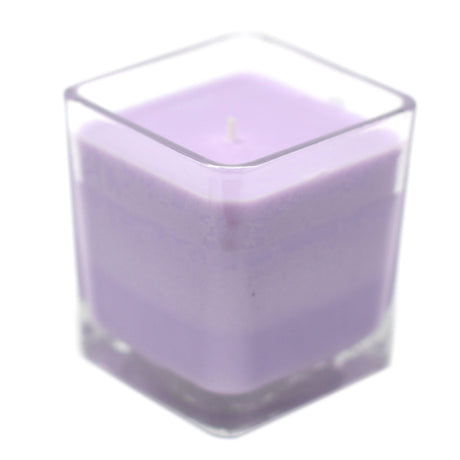
- Soy wax. A soft, biodegradable wax pressed from soybeans. It melts at a low temperature, which tends to make for a slow, even burn. Soy also holds fragrance oil well, so a soy candle can carry a generous scent. It burns with little soot. For most homes it is the easy everyday choice. You will find most of our soy wax candles poured into jars and tins.
- Beeswax. A natural by-product of honey-making. It has a higher melting point than soy, and that higher melt point is the real reason a beeswax candle tends to burn slowly. It gives a warm golden light and a faint natural honey note. Unscented beeswax adds no synthetic fragrance to the room, which some people prefer. That is the honest extent of it, a warm light and a subtle scent, nothing more.
- Coconut wax. Pressed from cold-pressed coconut oil, the newest of the natural candle waxes. It has a low melting point, similar to soy, and a particularly smooth, even melt that resists tunnelling. It carries scent generously, so coconut and coconut blends are prized for their throw.

What natural wax candles offer
Compared with traditional paraffin candles, natural waxes appeal to people looking for a more renewable, cleaner-burning option. Here is what is genuinely true, kept free of the overclaims that often surround candles.
- Renewable materials. Natural waxes come from plants and bees rather than petroleum. Soy and coconut are grown crops; beeswax is part of the bees' own life cycle. Paraffin, by contrast, is a by-product of oil refining.
- Cleaner burn. Natural waxes tend to burn with less visible soot than paraffin, less of the dark film that can settle on walls and ceilings. Paraffin is a petroleum product, and burning anything produces some combustion by-products; research on the real-world risk at typical home use is mixed. Many people simply prefer a plant- or bee-derived wax.
- A slower burn. Beeswax's higher melt point gives it a slow, steady burn. Soy and coconut burn characteristics depend on the blend and the wick, but a well-made natural candle often lasts well, which can mean better value over time.
- Fewer additives. Natural waxes are plant- or bee-derived rather than petroleum-based, and unscented versions add no fragrance to the room, a simple choice for anyone who prefers fewer additives. Where a candle is scented, the scent source matters more than the wax, so it is worth reading the label.
- Easy to clean. Soy and coconut are vegetable-based, so a spill usually lifts with warm soapy water.
- Even scent throw. Soy and coconut are known for distributing fragrance evenly through the burn, present in the room without being overpowering.
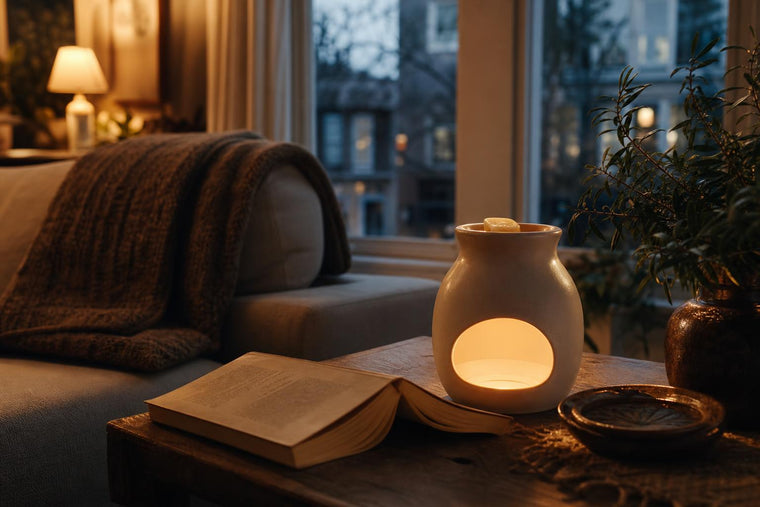
Most of our natural-wax candles are scented candles, where the scent comes from real essential oils rather than synthetic fragrance. If you would rather enjoy natural wax without an open flame, wax melts warm the same kind of soy wax in a burner, a low-soot, flame-free alternative.

Ethical sourcing and conscious production
The appeal of a natural candle is partly in its backstory. Ethically gathered beeswax supports beekeeping and the bee populations that matter so much for pollination. Soy and coconut at their best come from farms practising more sustainable agriculture.
The simplest way to support this is to buy from candle makers who are open about their materials and their methods. Many of the candles we stock come from small, named makers who tell you what is in the jar, that openness is usually a good sign.
Choosing a natural-wax candle
Picking a candle is more than choosing a scent. A few small checks tell you whether a candle is as natural as it claims.
The wax
Look for a candle made from 100% natural wax, soy, beeswax or coconut. If the wax type is vague or unstated, that ambiguity is usually your answer. A blend with paraffin will burn differently from a pure natural wax.
The label
Read it the way you would read an ingredients list. A maker committed to natural wax will say so plainly, and will name the fragrance source, whether essential oils or otherwise. Clear labelling is a fair test of how much care went in.
The scent
Where you can, choose candles scented with natural essential oils rather than synthetic fragrance. It is a matter of preference as much as anything, many people simply like a plant-derived scent better. If scent is a large part of why you light candles, it is worth exploring aromatherapy more widely.
The wick
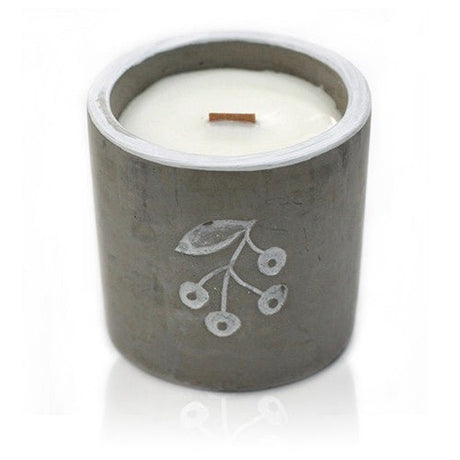
A cotton or wood wick is the natural choice; some cheaper wicks carry a metal core. A wood wick adds a soft crackle as it burns, which some people love.
None of this is a rule about how you should live. A candle is a small object. Choose the one you would actually enjoy lighting.
Candle care
A little care gets the most out of any natural wax candle.
- Trim the wick to about 6 mm (¼ in) before each light, for a clean, steady flame.
- On the first burn, let the wax pool reach the edge of the container before you put it out. This prevents tunnelling later.
- Keep the candle away from draughts, which make the flame flicker and burn unevenly.
- To put it out, dip the wick into the melted wax and straighten it again. This limits the smoke and leaves it ready for next time.

A candle in the evening
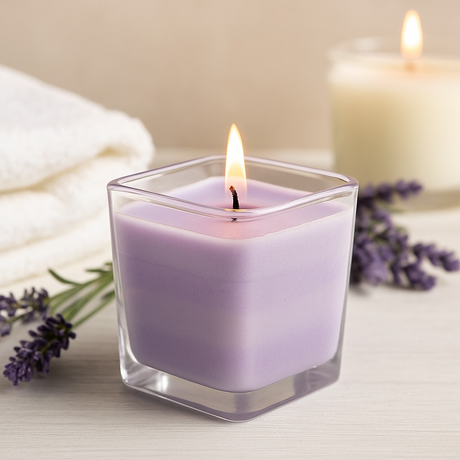
A candle marks a moment more than it changes one. Lighting it can be a small cue, the end of the working day, the start of a bath, a few quiet minutes with tea. Over time the act of striking the match becomes its own gentle signal to slow down. That is reason enough to keep one to hand in a calm, mindful home, or beside the bed for an evening wind-down before sleep.
For something with a little more presence on the shelf, crystal candles set a stone into the wax, held as a small object for intention and reflection, the practice yours to make of it what you will. And the steadiest, draught-free setting for any candle is a good holder. Low candle holders suit a soy jar; a stand suits taper and pillar candles.
If you would like to start, our collection of natural wax candles is poured mostly from soy, with cotton and wood wicks and scents from real essential oils, the kind of candle this guide describes. Light one, dim the rest of the room, and let it do the small thing it does well.