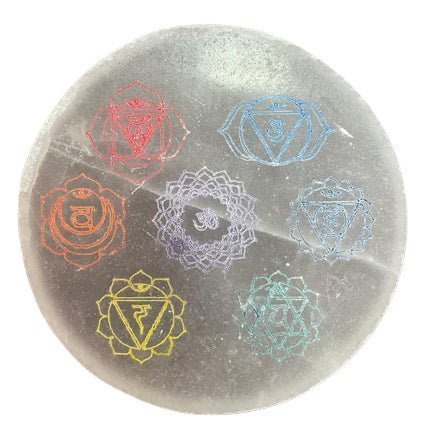
Long before telescopes, people looked up at the night sky and began to keep company with it. They named the planets after the parts of themselves they recognised there, the steady one, the tender one, the quick-tongued one, and over centuries those names settled into a quiet map. In several contemplative traditions, that same map was laid over the body, so that each chakra, the spinning wheels of energy described along the spine, came to be paired with a planet that shared its mood. None of it is fixed astronomy. It is a symbolic language, a way of putting words to inner weather. Read this way, the planets are not forces deciding your day from a distance; they are a lens you can pick up when you want to understand yourself a little better, and set down when you're done.
This is a slow read. Make a pot of tea, find a comfortable corner, and treat what follows as a tool for reflection rather than a forecast. The work is always yours.
One Traditional Map of the Planets and the Chakras
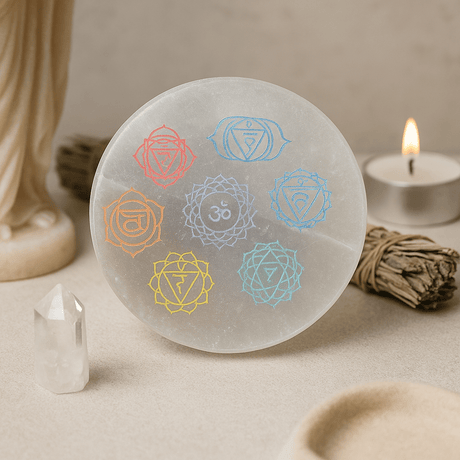
There is no single canonical mapping, different lineages pair the centres with different planets. What follows is one widely cited traditional system of correspondences, used here consistently so the picture holds together. Think of each pairing as a doorway into a quality you might want to give attention to, not a rule about who you are.

- Muladhara (Root) and Saturn. Saturn carries the symbolism of steadiness, structure and patience, the qualities tradition associates with the grounding root chakra at the base of the spine. In this language the root is linked to the steadiness of the earth beneath us: a place to return to when life feels unmoored. If you notice you're feeling restless or ungrounded, a simple grounding practice can help you settle.
- Svadhisthana (Sacral) and Venus. Venus stands for warmth, pleasure and creativity, and the sacral centre, just below the navel, is traditionally tied to the same, flow, feeling and the joy of making things. When this quality is alive in you, connection and creativity tend to come easily; when it feels distant, a gentle, fluid practice can invite it back.
- Manipura (Solar Plexus) and the Sun. The Sun is the symbol of vitality and will, and the solar plexus, above the navel, is linked in tradition to self-assurance and the quiet confidence to act. Tend to it when you want to feel more like the author of your own day, rather than its passenger.
- Anahata (Heart) and Venus. Venus also keeps watch over the heart chakra and its qualities of love and compassion, the centre of the chest, where tenderness for others and for ourselves is said to live. Practices that open the heart are an invitation to soften, not a measure of how well you love.
- Vishuddha (Throat) and Mercury. Mercury is the planet of speech and exchange, and so it is paired with the throat, the seat of voice, honesty and clear expression. When you want to speak your truth or simply listen more fully, this is the centre tradition points you towards.
- Ajna (Third Eye) and Jupiter. Jupiter symbolises breadth, wisdom and the long view, qualities tradition links to the third eye and intuition, set between the brows. It's the part of the map that asks you to trust your own quiet knowing.
- Sahasrara (Crown) and Neptune. Neptune carries the symbolism of the boundless and the transcendent, and so it is paired with the crown chakra and higher states of consciousness at the top of the head, the sense of belonging to something larger than oneself. It is named as symbolism, not a place you could travel to.
If you'd like a tangible way to keep these centres present, many people work with crystals chosen by colour and chakra, a stone held or placed near each centre as a focus for attention. The stone doesn't do the balancing; it keeps the note while you do the inner work.
Reading the Planets as a Lens for Self-Reflection
Some people like to take this further and look at where the planets sit in their own birth chart, then use that as a prompt for which centre to give attention to. Read consciously, a chart is a mirror, not a verdict, it offers language for what you might already sense in yourself, and the choice of what to do with it stays firmly in your hands.
Here are a few of those pairings turned into practice. Notice the pattern: the planet is a starting point for reflection, and the practice is the thing that actually grounds you.
Saturn and the Root (Muladhara)
Saturn's themes are stability and endurance, the slow lessons. If grounding is something you find yourself longing for, the tradition suggests simple, earthy practices: walking barefoot on grass, time spent in nature, or a short meditation on the feeling of being supported by the floor beneath you. The aim is a steadier sense of security, built one quiet morning at a time.
Venus and the Sacral (Svadhisthana)
Venus speaks to creativity and connection. If you notice that pleasure and flow feel restricted, a fluid, gentle practice can help, visualising a soft orange light around the pelvis, or hip-opening yoga poses that loosen and free the body. Let it be playful rather than a task to perfect.
Sun and the Solar Plexus (Manipura)
The Sun's themes are identity and vitality. When you want to feel more sure of yourself, practices that build quiet confidence suit this centre well: affirmations for self-worth, or dynamic yoga poses that engage the core and remind you of your own steadiness.
Mercury and the Throat (Vishuddha)
Mercury governs communication. If you find your words running ahead of you, or sticking in your chest, throat practices help you use that energy with care, chanting, singing, or simply practising mindful speech: speaking your truth and listening as much as you speak.
Jupiter and the Third Eye (Ajna)
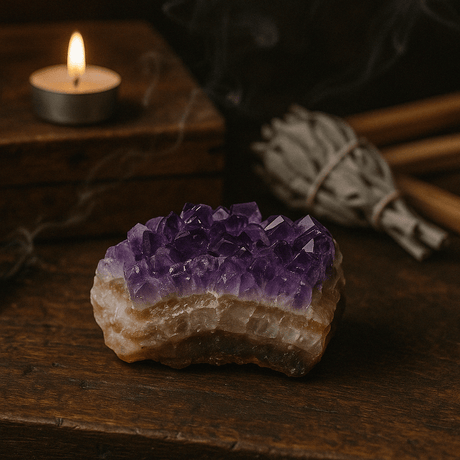
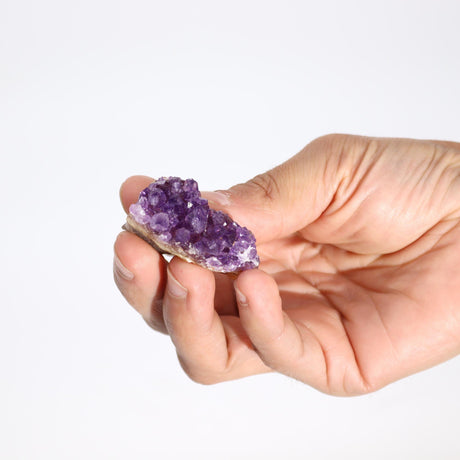
Jupiter brings expansion and the wider view. For nurturing intuition, gentle visualisation and guided meditations that quiet the mind tend to work well, making a little more room for the insight that arrives when you stop straining for it. A stone such as an amethyst for third-eye focus can sit nearby as a small anchor for the practice.
Venus and the Heart (Anahata)
Venus returns at the heart, where its themes of love and warmth come home. Heart-opening practices, keeping a gratitude note, an act of kindness, a meditation on compassion, help you form genuine connection and express what you feel more openly. Some keep rose quartz for the heart close while they sit, soft pink to match the centre's colour.
Neptune and the Crown (Sahasrara)
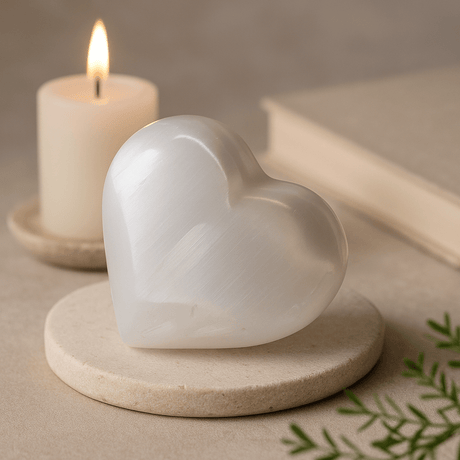
Neptune's themes are the boundless and the contemplative. Stillness practices suit the crown, silent sitting, a longer meditation, or simply a few unhurried minutes of looking at the sky. Many keep selenite for the crown nearby, its clear light a quiet companion to the practice.
The Moon and Emotional Rhythm
Alongside the planets, many traditions pay attention to the Moon as a marker of emotional rhythm, especially around the sacral and heart centres. A full moon is often associated with heightened emotion, and whether that is the Moon itself or simply a useful reminder to pause, the value is the same. It gives you a recurring moment to check in: how am I feeling tonight, and what would help me soften?
Treat the lunar cycle as an invitation to rest and reflect rather than a mood you have to brace for. A few minutes by a window, a slow breath, an early night, small kindnesses that the rhythm reminds you to offer yourself.

If the Sun sits strongly in your own chart, you might lean towards the solar plexus and its themes of identity and vitality, practices that build a settled, unhurried confidence, such as affirmations for self-worth or grounding movement that wakes the core.

Crafting a Space That Supports the Practice
The planets and chakras are one lens; the room you sit in is another. A space you return to makes a practice easier to keep. Here are a few simple ways to shape one, starting with air and light rather than anything you need to buy.
- Declutter and organise. Clearing a little space lets the room breathe, and lets you breathe in it.
- Incorporate natural elements. Plants, natural light and a small bowl of water bring something living into the corner. Bringing in a sage smudge stick to clear the air can mark a fresh start before you sit.
- Use colour gently. Surround yourself with the colour of the centre you'd like to focus on, a green cushion for the heart, a deep blue throw for the throat.
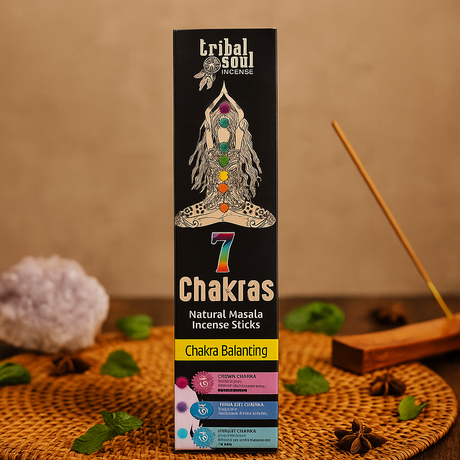
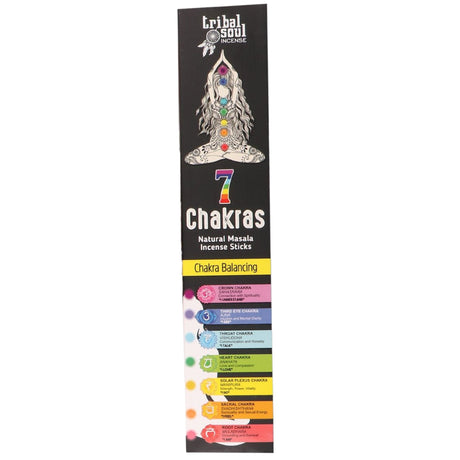
- Create a dedicated meditation corner. A serene, settled area invites you back. A little incense to mark a dedicated meditation space, or a candle for a quiet corner, can become the small signal that says: sit down for a moment.
- Pay attention to personal space boundaries. Gentle boundaries, a closed door, a phone left in another room, help the time feel like yours.
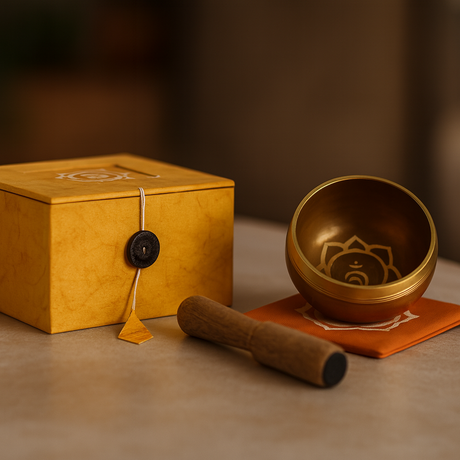
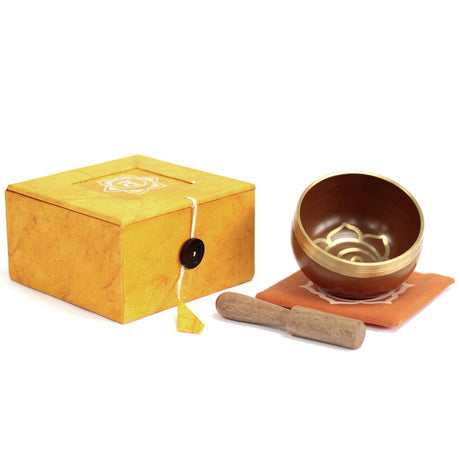
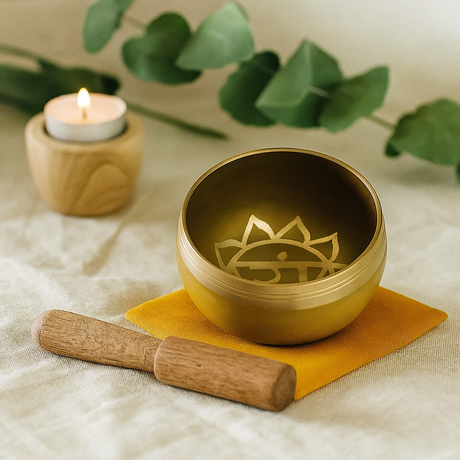
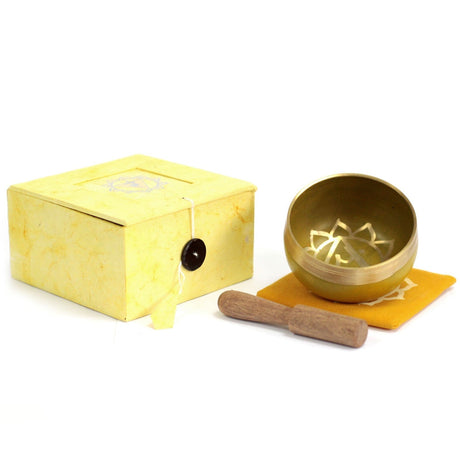
Sound can mark the start and close of a session too. Keeping a singing bowl for sound and stillness nearby gives the practice a clear beginning and a clear end, a single tone to gather your attention, and another to let it go.

A Closing Thought
Pairing the chakras with the planets is an old and beautiful way of thinking, a symbolic map, not a set of instructions handed down by the stars. Used consciously, it hands you something quietly useful: a vocabulary for your inner states, and a prompt to give one of them a little attention today. The reflection is yours. The practice is yours. A tidy corner, a stone in the hand, a slow breath under a full moon, none of it decides your life for you. It simply makes a space that supports calm and focus, and leaves the rest, gently, to you.