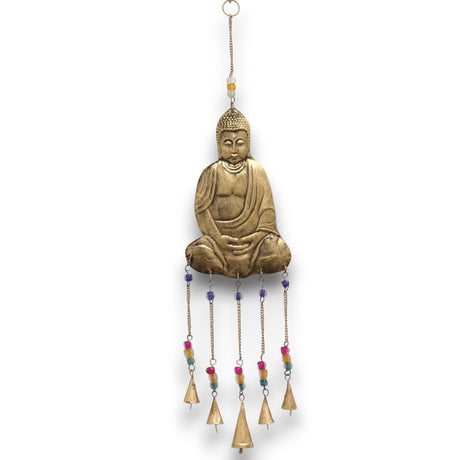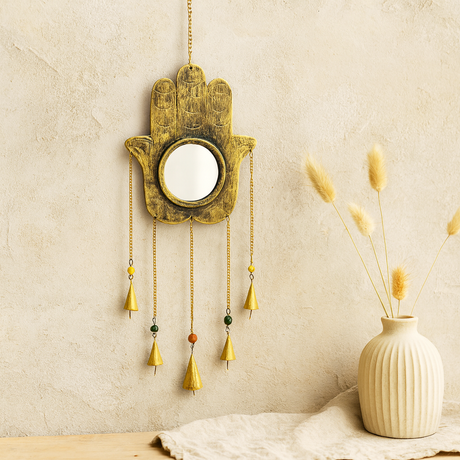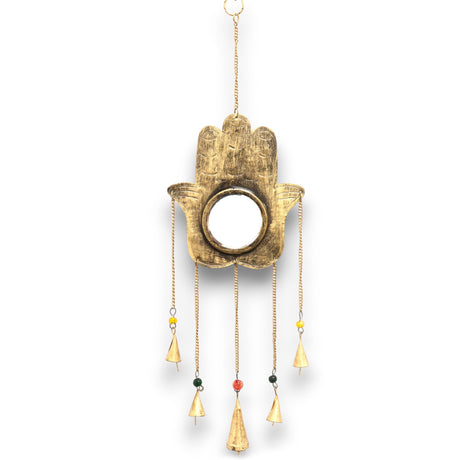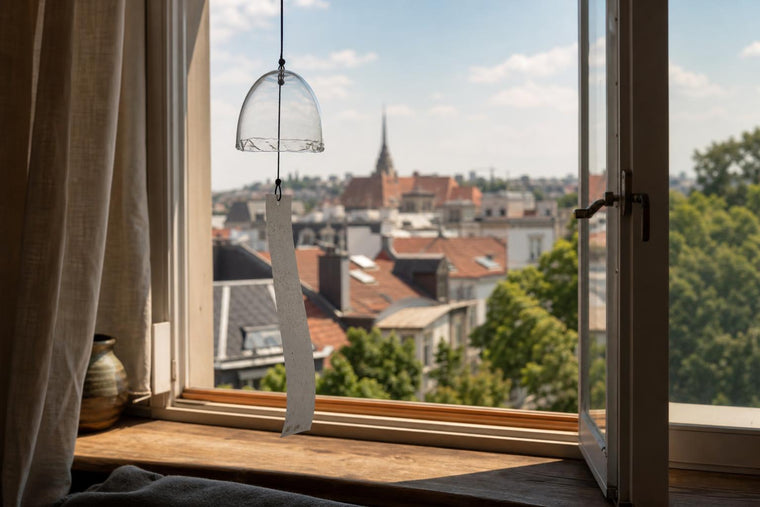
There is a particular kind of quiet that begins with sound. A breeze drifts through an open window, a chime stirs, and the room seems to soften around it. Wind chimes have hung in temples, gardens and doorways for thousands of years, not to fill a space with noise, but to mark the small movements of the air and, with them, a moment of stillness in the day.
This piece wanders through the world of wind chimes: where they came from, what different cultures have made of them, and how their sound and their serene ambiance they bring to home decor can settle gently into a room. Whether you are drawn to their history or simply want a little more calm by the door, here is how these unassuming instruments came to be loved across so many homes.
The origins and historical significance
Ancient beginnings and cultural significance
Wind chimes trace back to ancient societies, where they adorned temples and gardens. In Ancient Rome, a bronze tintinnabulum was hung both as decoration and as a talisman against ill fortune, often shaped around protective symbols. In India and China, wind bells were integral to spiritual practices, believed to ward off evil spirits and invite tranquillity.
Evolution through the ages
Over the following centuries, Chinese metal-casting refined the wind bell, or feng-ling, decorated with motifs of birds and dragons that were taken to express the harmony between nature and the divine. Bells of this kind existed in China by the early first millennium BC, while the metal-casting that gave them their familiar resonant voice is often dated much later, around 1100 CE, two milestones rather than a single moment of invention.
As Buddhism spread, bronze temple bells, the ancestors of the furin, reached Japan and were hung at temple eaves, cherished for their peaceful sounds. Centuries later, in the Edo period, glassmaking gave rise to the painted glass furin still loved today, the peaceful sounds in temple gardens joined by a brighter, lighter note.
Throughout Eastern and Southern Asia, wind chimes became a cultural emblem, each region adding its own touch to their design and meaning, reflecting local artistry and belief. Today, they are a quiet symbol of peace the world over, a reminder of how many cultures have reached for the same thing: a sense of harmony with nature.
Types of wind chimes
Wind chimes come in many styles, each with its own sound, material and character. SHAMTAM's own diverse collection of wind chimes spans most of them. Here is a closer look at the main types, and what makes each one worth listening for.
Metal wind chimes
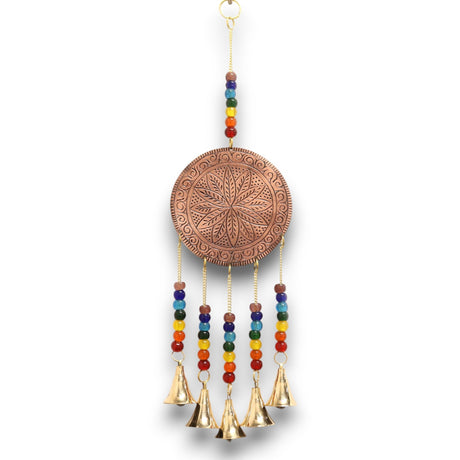
Metal wind chimes are among the most popular and widely available. They can be made from aluminium, copper, steel or brass, with aluminium especially favoured for its durability and clear, resonant sound. Their tones are long and melodious, ranging from deep and soothing to bright and tinkling depending on the thickness and length of the tubes. You can browse the metal wind chimes across the range.
- Aluminium wind chimes. Bright, clear tones and a long resonance. Lightweight and weather-resistant, which makes them a favourite for outdoor use.
- Copper wind chimes. A warm, rich tone that deepens as the metal patinas over time, adding character to any garden or patio.
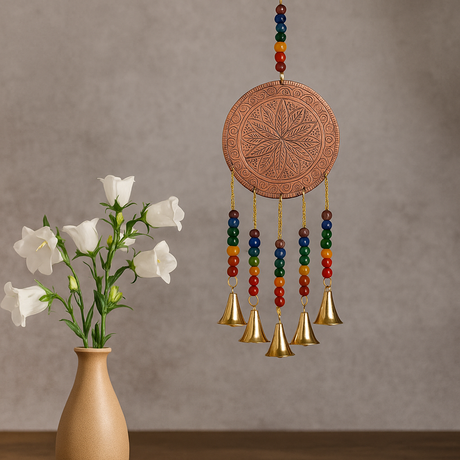
- Steel and brass wind chimes. Deep, durable and full. Brass, in particular, gives a rich, elegant sound that suits a hallway or a thoughtfully styled corner.

Bamboo wind chimes
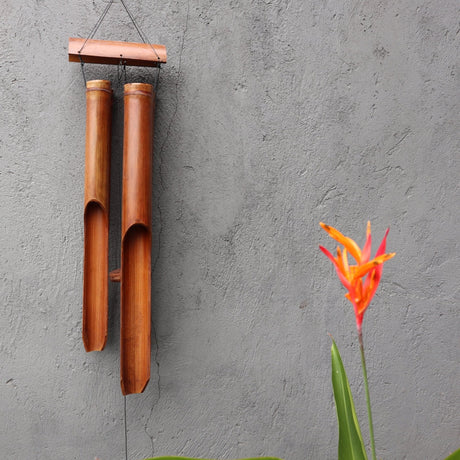
Bamboo wind chimes have a softer, more organic voice than their metal counterparts. The hollow tubes make a calming, mellow, earthy knock, reminiscent of rustling forests and gentle streams. Often paired with Zen-garden or tropical themes, the bamboo chimes are ideal for creating a relaxed, natural atmosphere.

Glass wind chimes
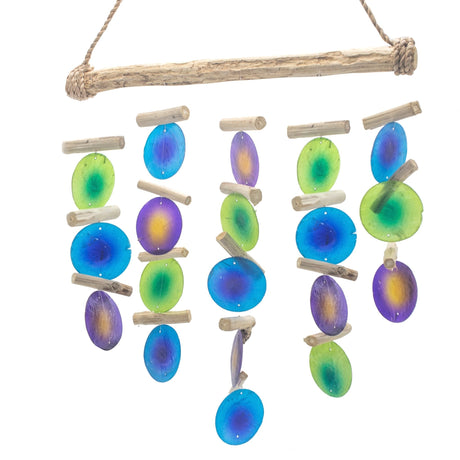
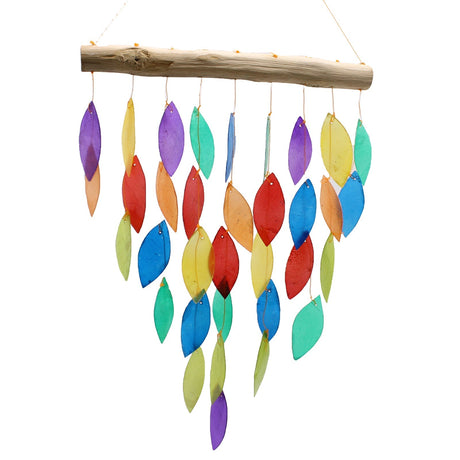
Glass wind chimes are as much a visual delight as an aural one. Made from coloured or clear glass, they produce a delicate, tinkling sound, like the gentle chime of ice crystals or a light rainfall. They are perfect for adding a touch of whimsy and colour to a garden or window, where sunlight can catch them.

Ceramic and clay wind chimes
Ceramic and clay wind chimes carry a rustic, artisanal charm, each piece often handcrafted and unique. Their sound is subdued and earthy, a gentle background note that suits a peaceful patio or meditation space.

Shell and bead wind chimes
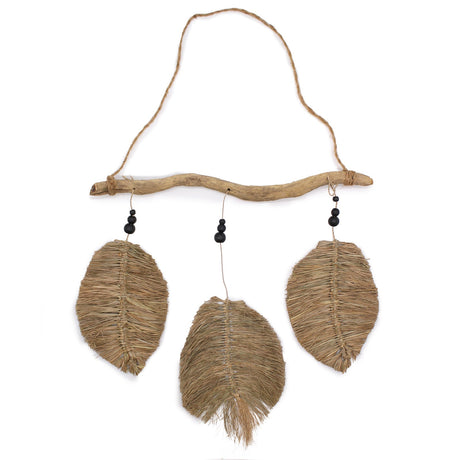
Made from shells, beads, or a combination of the two, these chimes bring a coastal or bohemian feel to a space. The light, airy sound of shells clinking together calls up the beach and the ocean, making them lovely for seaside homes or as small reminders of summer holidays.

Wooden wind chimes
Wooden chimes, distinct from bamboo, are made from various hardwoods and give a deep, resonant sound. The tone varies with the type of wood and the design, offering a warm, inviting voice that sits well alongside wooden architectural details or a natural landscape.

Practical usage in home decor
A wind chime adds a quiet auditory layer to a room. In Feng Shui, chimes are used as a tool to draw attention to a space and encourage a sense of flow and intention, it enhances its energy flow according to feng shui principles in the way that practitioners describe. Where you place a chime, and the pause its sound invites, is the real practice.
- Metal wind chimes. In the Feng Shui tradition, these are placed in the West, Northwest or North of a home to support the intention of creativity and career. Their resonant tone suits an office or a creative corner.
- Bamboo or wooden chimes. Traditionally hung in the East or Southeast, where the family's wellbeing is the focus. Their softer, earthier sound brings a calming presence to living areas and bedrooms.
Wind chimes adapt to a wide range of interiors, from clean minimalist lines to a relaxed bohemian mix. Their melodies introduce a sound to the space, something to notice, or something that simply rests in the background. A chime by a window that you open often, or out on a porch, can turn a small corner into a place to pause. Choose the material and the spot with a little care, and the rest is left to the breeze.

Conclusion
Wind chimes, with their melodious presence, are a testament to our enduring love of nature's music and the calm a familiar sound can bring to a space. From the Roman tintinnabula to the Chinese feng-ling, they have long been hung to invite a sense of protection and to mark a moment of stillness in the day. As we hang these chimes and let the wind decide their tune, they remind us of the music in stillness and our connection to the world around us.
Explore SHAMTAM's diverse collection of wind chimes and let their timeless melodies bring a little more peace and presence into your space.