Some mornings you feel light and clear. Others, you carry a heaviness you can't quite name. Many wellness traditions describe the body as a field of energy in constant motion — a way of putting words to those shifts in mood and presence we all know. We don't treat this as medicine. We offer it as a gentle frame for noticing how your state changes through the day, and a handful of small rituals that can help you feel more grounded.
Energy as a way of describing how we feel
There is real rhythm in the body. Your heartbeat, your breath, your sleep and waking — these are physiological cycles you can feel and follow. Mood and stress ride alongside them: tension quickens the pulse, a quiet piece of music slows it, a good night's sleep resets everything.
When people talk about their 'vibration' or 'energy', this is what they tend to mean — a felt sense of how present, calm or frayed they are in a given moment. It's a metaphor, not a measurement. And it's a useful one, because it points to something true: your thoughts, your surroundings and your habits genuinely shape how you feel.
That's the honest part worth holding on to. You can't dial a number on your own frequency. But you can choose the walk, the breath, the cup of tea, the early night — and those choices change the day.

What tends to lift your energy
None of this is a prescription. Read it as a menu — take what speaks to you and leave the rest.
Mindful meditation. Sitting quietly for a few minutes can soften stress and bring a steadier, calmer attention. Many people find that even a short daily practice of mindful meditation leaves them feeling more present.
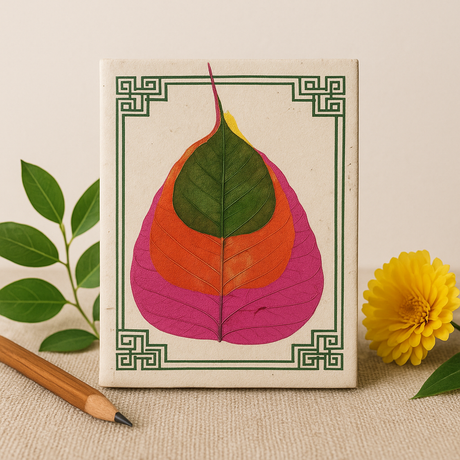
Gratitude journalling. Noting a few things you're grateful for each evening gently turns your attention towards what's good. Over time, many people find it shifts the tone of their day. A dedicated notebook makes the habit easier to keep — see our gratitude journaling collection.
Kind affirmations. Repeating a few honest, encouraging words to yourself is often described as a way to interrupt a spiral of worry. It won't rewrite who you are, but it can steady you.
Moving your body. A walk, a stretch, a swim — movement tends to lift the mood and ease tension. You usually feel lighter afterwards, even when you didn't fancy starting.
A little sunlight. Daylight, especially in the morning, helps set your body clock and lifts the spirits. A few minutes outside can change how the whole day feels.
Enough rest. Sleep is where the body and mind reset. Most things feel more manageable on the far side of a good night.
Staying hydrated. It's a small, easy thing that's simple to forget. A glass of water can leave you feeling clearer and more awake. Our staying hydrated bottles make the habit a quiet ritual.
Fresh, whole foods. Fruit, vegetables and whole grains tend to leave you feeling more energised than heavily processed ones — for ordinary reasons of nutrients and fibre, nothing mysterious.
Time in nature. A wood, a park, a stretch of coast. Natural surroundings have a quietening effect, and many people come back feeling more grounded.
Something creative. Painting, writing, playing an instrument — losing yourself in making something can be quietly restorative.
What tends to drain it
The flipside is just as familiar. None of these is a moral failing — simply patterns worth noticing.
Stress and worry. Carrying tension for long stretches is tiring in itself, and keeps the body braced.
Draining company. Some people leave you depleted. It's worth noticing who, and giving yourself permission to step back.
Overworking. Pushing on without breaks slides quietly into burnout.
Sitting still too long. A day without much movement can leave you flat and sluggish.
A heavy diet. Lots of processed food, sugar and caffeine can leave you wired then weary.
Not drinking enough. Even mild dehydration shows up as tiredness and fog.
Too much screen time. Long stretches in front of a screen tire the eyes and the mind, and can fray the evening.
Too little sleep. Short nights touch everything — mood, focus, patience.
Holding on to grudges. Carrying resentment is heavy, and most of the weight lands on you.
Skipping the basics. Letting self-care slide tends to catch up with you, gently at first and then less so.

Small rituals to come back to yourself
Rituals work because they give a feeling something to hold. The point isn't the object or the technique on its own — it's the moment of attention you set aside, and the intention you bring to it. Here are a few to try, gently and without pressure.
1. A white-light visualisation
This is a simple visualisation some people find calming. Close your eyes and picture yourself wrapped in a soft, clear light. As you breathe, imagine it settling you — loosening any tightness, easing the day's residue. There's nothing literal being moved here; it's a mental image that helps the body relax.
2. Reclaiming your attention
A short, spoken intention can help you feel more in your own corner. Try something like, 'I'm letting go of what isn't mine to carry, and coming back to myself.' Said aloud, slowly, it's less an energetic operation than a way of marking a line — a small act of self-direction.
3. A tea ritual
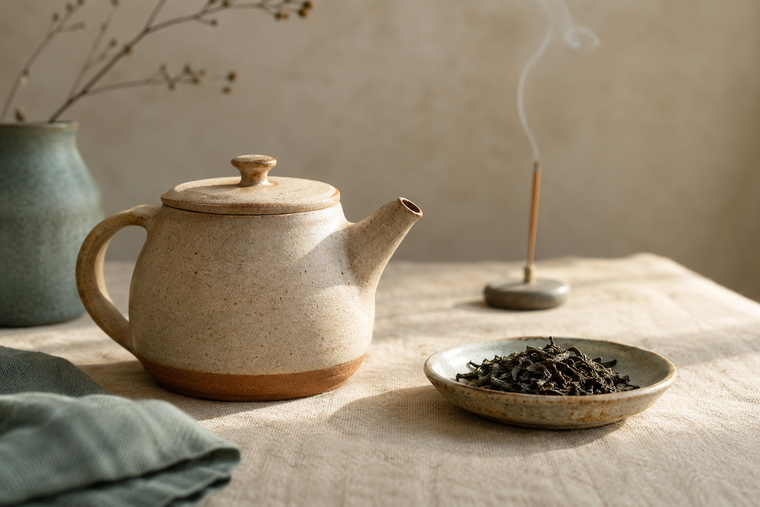
Brew a cup with a little ceremony. Choose herbs you love — calendula, nettle, rose, rosemary, peppermint. As the leaves steep, let the pause itself be the practice: the warmth in your hands, the steam, a quiet minute that's only yours. A high-vibrational tea ritual turns an everyday cuppa into something deliberate.
4. Cleansing with smoke and candlelight
Light a candle and, if it's part of your practice, let a little fragrant smoke drift through the room. Many traditions use sage or palo santo to mark a fresh start in a space — a way of saying, this room, this evening, is mine again. (A note on sourcing: white sage and palo santo carry real sustainability and cultural concerns, so choose responsibly harvested sticks and use them sparingly and with respect.) You can explore cleansing with smudge sticks, or try lighting palo santo for its warm, resinous scent.
5. A salt bath
Run a warm bath and add sea salt or Epsom salt. Set an unhurried intention as you sink in — to let the day go, to soften. The water does its simple, soothing work; you do the rest. Running a cleansing salt bath is one of the gentlest ways to mark the end of a day.
6. Salt around the home
An old domestic ritual: a small bowl of salt in a corner, a pinch across a threshold. There's no claim here beyond the comfort of the gesture — a quiet way of tending your space and marking it as cared for.

7. A grounding walk
Step outside and let nature do the settling. Walk slowly through a wood or park, feel the ground under your feet, rest a hand on a tree. There's nothing to achieve — just the steadying effect of being among growing things.
8. Sound
In sound practice, instruments like singing bowls give you something steady to settle your attention on. A struck bowl, a tuning fork, a slow tone through headphones — the long, even sound is easy to follow, and following it tends to quiet a busy mind. Discover more in our sound healing collection.
9. Crystals as reminders
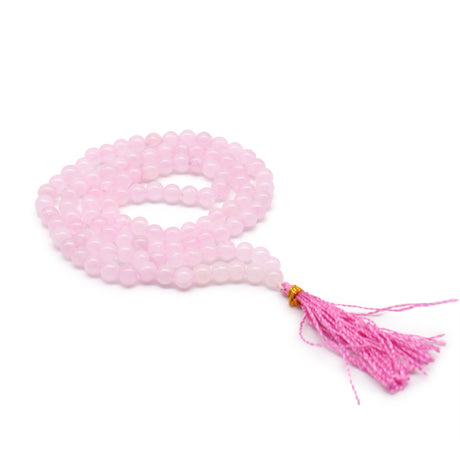
Tradition pairs different stones with different qualities — amethyst with calm and clarity, rose quartz with warmth and connection, citrine with brightness and good cheer. Carry one in a pocket, or set it somewhere you'll see it, as a small reminder of the intention you've set. The stone keeps the note; you do the practice. Browse crystals for your daily rituals to find one that speaks to you.
10. Scent
A few drops of essential oil — lavender for unwinding, peppermint for a lift, frankincense for a contemplative moment — can shift the feeling of a room in seconds. Diffuse it, dilute it into a carrier oil, or simply breathe it in from the bottle. Our uplifting essential oils are a good place to start.
11. Gentle movement
Yoga, stretching, a slow flow with the breath — gentle movement helps the body let go of the day's tension and reminds you that you live in it.
12. A screen break
Set aside a stretch of the day, or a whole evening, without devices. Screen breaks rest your eyes and your mind, and help you sleep — reason enough to step away.
You don't need all twelve. Pick one that appeals and let it become familiar. The intention you bring matters more than the technique; a single honest minute beats an elaborate ritual you never repeat.
A closing thought
Looking after your energy is less a project than a way of paying attention — noticing what lifts you and what wears you down, and tending to yourself accordingly. The practices here aren't cures or fixes. They're small, repeatable ways to come back to the present and feel a little more grounded.
In our shop you'll find a curated selection chosen to make your daily rituals feel a little more intentional — crystals to keep beside your meditation, oils to scent a quiet evening, bowls and candles and notebooks to mark the moments that matter. Think of them as companions to your practice, never a substitute for rest, movement, or the care of a qualified practitioner. The ritual is yours; these are simply lovely things to hold while you make it.